
A car air conditioner that blows warm air on a 35-degree Sydney afternoon is more than an inconvenience, especially when you are commuting, carrying the kids or working from your ute. If you are asking how to regas car aircon, the key point is this: regassing is not simply adding more gas. A proper service checks why the system has lost refrigerant, repairs any fault where needed, and recharges it with the correct amount.
Modern vehicle air conditioning systems are sealed. They do not use up refrigerant like fuel. When the air stops getting cold, there may be a small leak, a failed component or another issue preventing the system from operating properly. Getting the cause checked first can save you from paying for a recharge that only lasts a few weeks.
What a car aircon regas actually does
A regas, also called an air conditioning recharge, restores the refrigerant in your vehicle’s aircon system to the manufacturer’s specified level. Refrigerant is the gas that absorbs heat from inside the cabin and releases it outside through the condenser at the front of the vehicle.
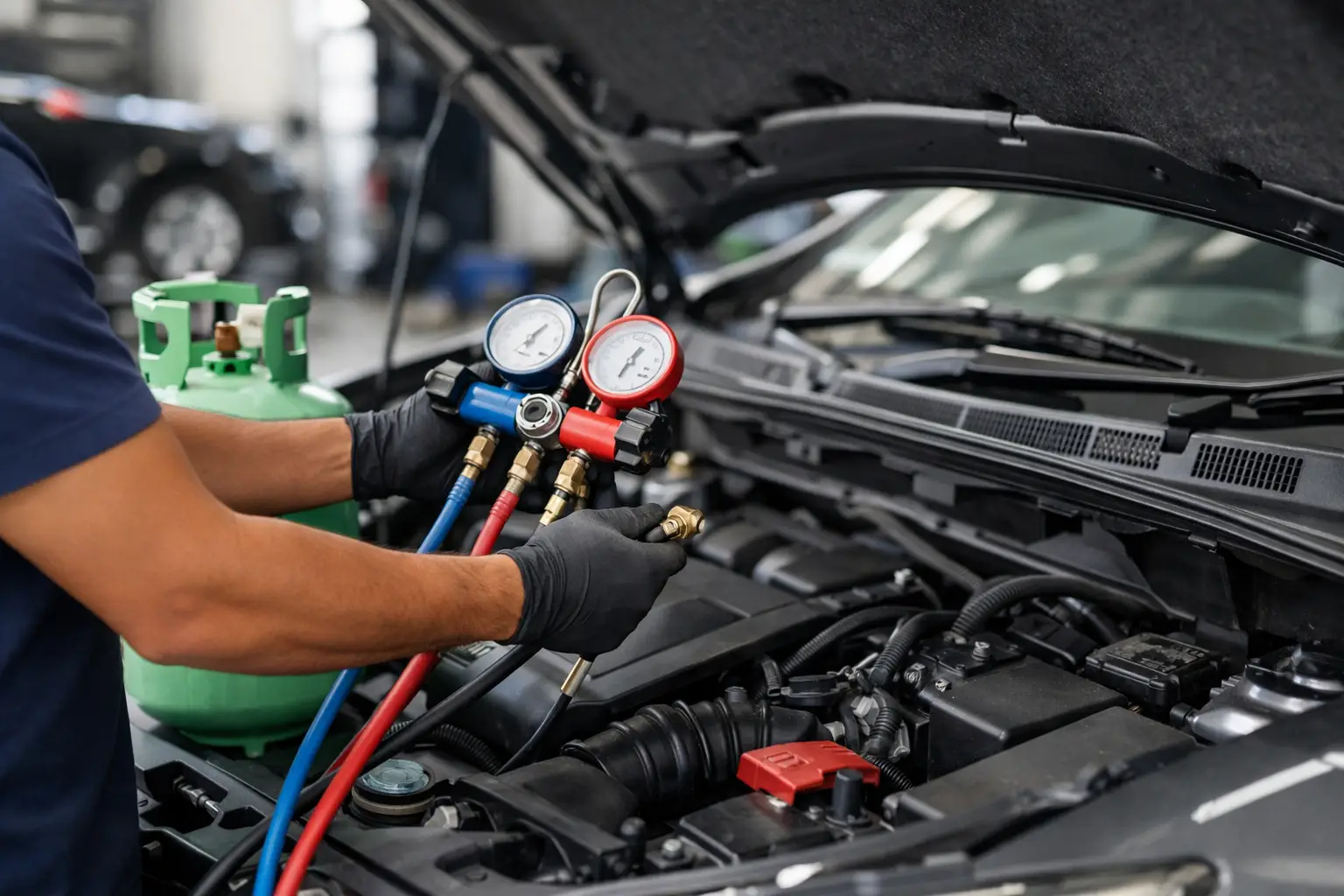
The system also relies on the correct oil level to lubricate the compressor. Too little refrigerant can leave the system unable to cool properly. Too much can create high pressure and potentially damage expensive components. That is why a qualified technician uses recovery and charging equipment rather than estimating the amount.
Most older cars use R134a refrigerant, while many newer vehicles use R1234yf. These refrigerants are not interchangeable. Your vehicle’s under-bonnet air conditioning label will identify the required refrigerant type and the precise charge weight.
Can you regas car aircon yourself?
DIY recharge cans can look like an easy fix, but they are rarely the best answer. Aside from the risk of overcharging the system or using the wrong product, they do not tell you where the refrigerant went in the first place. They also cannot properly recover any remaining refrigerant or check the system under vacuum.
Refrigerant must be handled carefully. Releasing it into the atmosphere is harmful and can create legal and environmental issues. Some modern refrigerants also require specific safety procedures due to their properties. For most drivers, professional aircon servicing is safer, more accurate and better value than repeatedly trying a DIY top-up.
If your vehicle is still cooling reasonably well and has only gradually lost performance over several years, it may simply need a standard recharge. If it went from cold to warm suddenly, the chances of a leak, electrical fault, compressor issue or failed condenser fan are higher.
How to regas car aircon properly
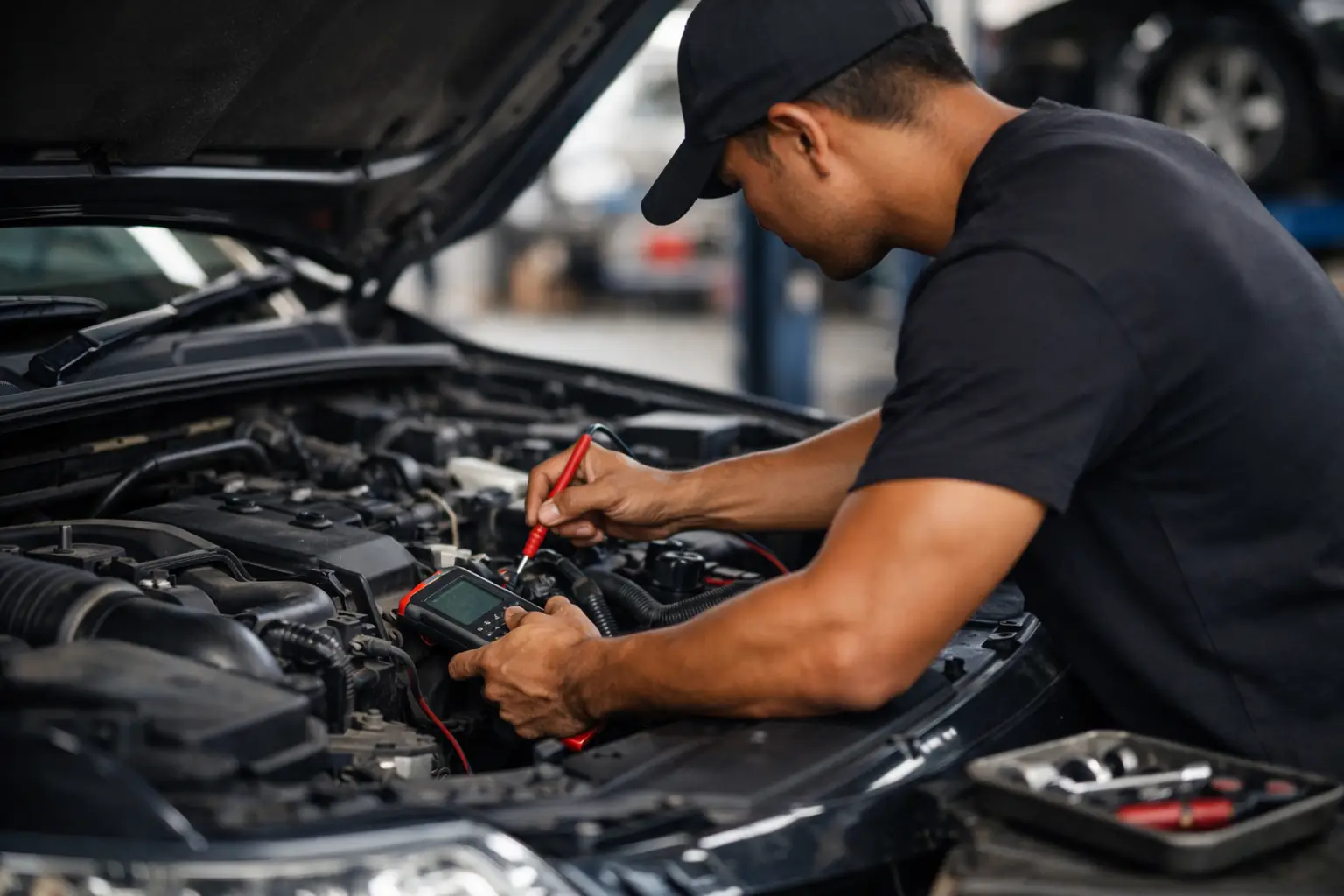
A professional car aircon regas follows a process designed to protect the system and identify obvious faults. It starts with an inspection of the aircon components, hoses, service ports, drive belt and electrical connections. The technician will also check whether the compressor engages and whether the cooling fans are operating as they should.
Next, any refrigerant left in the system is recovered using approved equipment. This allows the technician to measure what was removed and prevents refrigerant being vented into the air. If the system was very low or empty, that is a strong sign it needs further leak testing before a recharge.
The system is then placed under vacuum. This removes air and moisture, both of which can reduce cooling performance and cause internal corrosion. Holding a vacuum can also reveal certain leaks, although some small leaks may require additional testing with electronic detection equipment, UV dye or nitrogen pressure testing.
Once the system has passed the relevant checks, the correct refrigerant and oil are added by weight. Finally, the aircon is run and tested. A technician checks vent temperature, system pressures, compressor operation and cabin airflow to make sure the result is more than just a temporary blast of cold air.
Why leak testing matters before a recharge
A regas can improve cooling, but it cannot permanently fix a leaking hose, damaged condenser or worn compressor seal. A minor leak may allow the system to work for a season before performance drops again. A larger leak can leave it warm within days.
Common leak points include O-rings, hose connections, condensers damaged by road debris, service valves and evaporators hidden behind the dashboard. Finding the source early is usually less costly than allowing the system to run low until the compressor is damaged.
Signs your car aircon may need attention
Warm air from the vents is the clearest sign, but it is not the only one. Weak airflow may be caused by a blocked cabin filter, failing blower motor or debris in the ventilation system rather than low refrigerant. A bad smell when the aircon starts can point to bacteria around the evaporator and may need an aircon clean rather than a regas.
Listen for unusual clicking, squealing or rattling when the aircon is switched on. Also look out for the engine temperature rising in traffic, especially if the cooling fan is not working. In these cases, continuing to run the aircon may put extra strain on the vehicle and should be checked promptly.
If the compressor does not engage, low refrigerant is only one possibility. A faulty pressure switch, relay, fuse, wiring issue or compressor clutch can produce similar symptoms. This is where auto electrical diagnostics make a real difference – it avoids replacing or regassing parts that are not the actual problem.
How often should car aircon be regassed?
There is no single interval that suits every car. Some systems remain cold for many years, while others slowly lose refrigerant through ageing seals or minor leaks. Rather than regassing on a strict schedule, have the system assessed when cooling performance drops or as part of regular vehicle maintenance.
Running the aircon for around 10 minutes every week, including in winter, can help keep seals lubricated and maintain compressor operation. It also helps clear humidity from the cabin when using the demister. Replacing a dirty cabin filter as recommended can improve airflow and reduce strain on the system, but it will not fix a refrigerant issue.
When a mobile aircon service is the practical choice
When the car is at home, at work or off the road because the aircon fault is linked to another electrical problem, a mobile technician can be a practical option. There is no need to arrange a lift, wait in a workshop reception area or risk driving a vehicle with a suspected cooling or electrical fault.
Ray’s Auto Electrical provides mobile automotive air conditioning diagnostics, repairs and regassing across Sydney, including the Western Suburbs. The right service starts by checking the system, then explaining what has been found and what repair is actually required. That approach is particularly useful for families, tradies and commuters who rely on their vehicle every day.
If you have searched for “Auto Electrician near me” or “Auto electrician Blacktown”, look for a technician who can diagnose aircon electrical faults as well as recharge the refrigerant. A proper diagnosis can distinguish between a low-gas system, a leak and a fault in the compressor controls.
A cooler cabin starts with the right diagnosis
A car aircon regas is worthwhile when the system is sound and simply low on refrigerant. When there is a leak or electrical fault, the better repair is to fix that issue first, then recharge the system correctly. Acting when the cooling first starts to fade gives you the best chance of avoiding a bigger repair just when Sydney’s hot weather arrives.