
A flat battery at the shops, on the worksite or in your driveway is frustrating enough. Choosing the wrong replacement can create another problem down the track. When comparing AGM vs lead acid batteries, the best option depends on your vehicle’s charging system, electrical load and how you drive – not simply which battery has the lowest price.
For many Sydney drivers, a standard lead acid battery remains a sensible and reliable choice. But if your car has stop-start technology, regularly runs accessories or was fitted with an AGM battery from the factory, changing to a cheaper conventional battery may reduce performance and battery life.
AGM vs lead acid batteries: what is the difference?
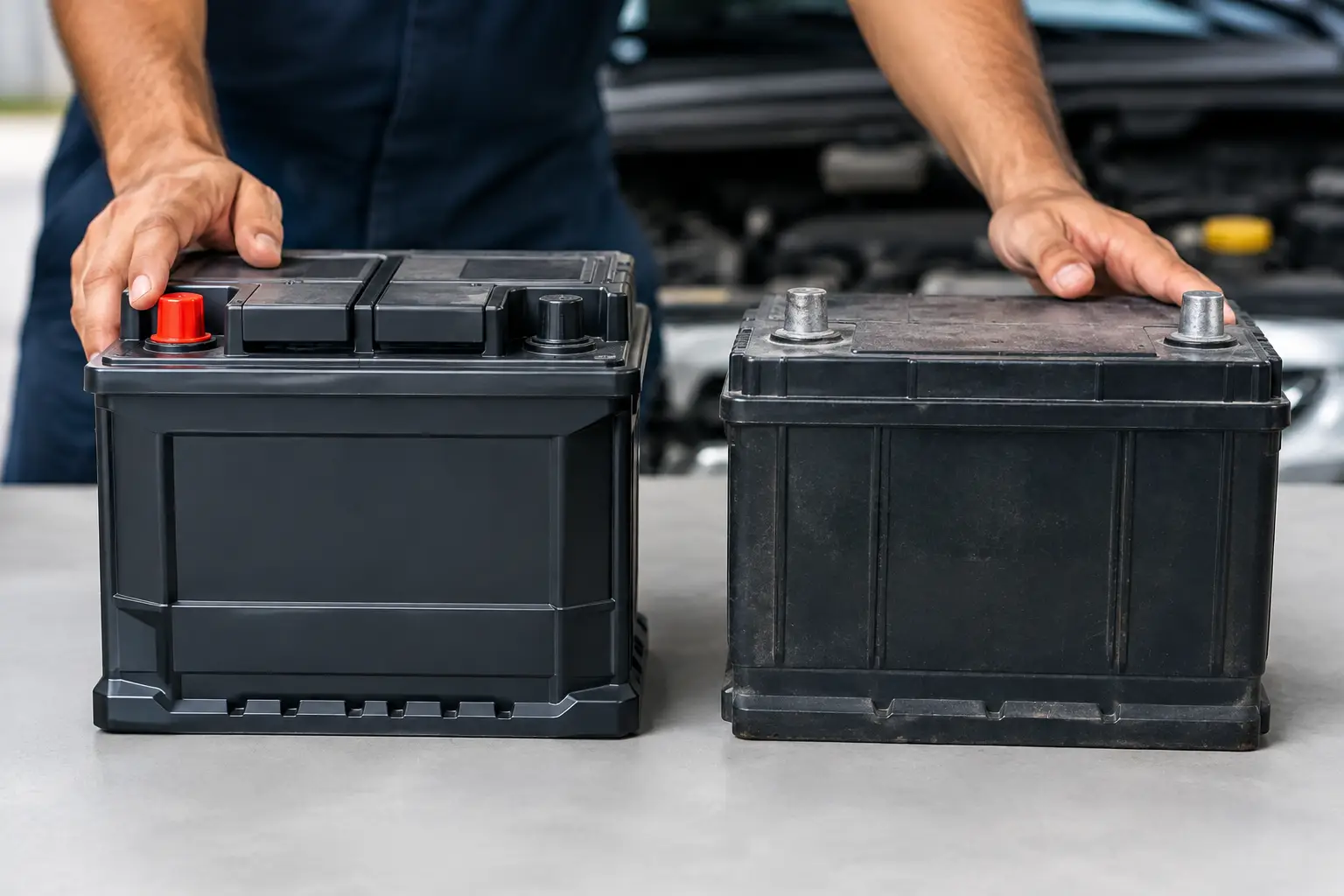
AGM stands for Absorbent Glass Mat. It is still a type of lead acid battery, but it is built differently from the conventional flooded lead acid battery most people think of when they hear the term battery.
A standard flooded battery contains liquid electrolyte around its lead plates. It is a proven design that has powered Australian cars, utes and vans for decades. Many modern versions are sealed and maintenance-free, so you do not need to top them up with water. They are generally affordable, widely available and well suited to vehicles with ordinary starting and electrical demands.
An AGM battery holds the electrolyte in fine glass mats between the plates. This design makes it more resistant to vibration, better able to accept charge quickly and more capable of supplying power repeatedly without losing performance. It is sealed, spill-resistant and typically has a higher price tag.
The key point is simple: AGM is not automatically better for every vehicle. It is better for vehicles that need what it offers.
When a conventional lead acid battery makes sense
A conventional lead acid battery is often the right choice for an older car or a vehicle without factory stop-start. If you mainly use your vehicle for regular commuting, shopping trips and weekend driving, and it does not have a large accessory load, a quality conventional battery can provide dependable service at a lower upfront cost.
It is also a practical option where the vehicle manufacturer specifies this battery type. Battery choice should always start with the original specification. The battery must fit the tray correctly, have the right terminal layout and meet the required cold cranking amps, commonly called CCA.
CCA is the battery’s ability to deliver a strong burst of current for starting, particularly in colder conditions. While Sydney does not face extreme winter temperatures, the correct CCA still matters. A battery that is undersized may crank slowly, especially as it ages or when the engine and oil are cold.
For a basic vehicle with no stop-start system and no heavy electrical accessories, paying extra for AGM may not deliver enough benefit to justify the cost. The better investment can be a correctly sized, quality battery and a proper check of the alternator and charging system.
When an AGM battery is the better choice
AGM batteries are commonly fitted to vehicles with stop-start technology. Each time the engine switches off at traffic lights and restarts, the battery is asked to do far more work than in a conventional vehicle. It must support lights, air conditioning controls, infotainment and other systems while the engine is stopped, then deliver enough power to restart the engine repeatedly.
If your vehicle was built with an AGM battery, replacing it with a standard flooded battery is usually the wrong move. The conventional battery may struggle with the constant cycling and can fail early. Stop-start operation may also be disabled by the vehicle’s battery management system.
AGM can also be a worthwhile choice for vehicles with regular electrical demand. This may include a 4WD with a fridge and driving lights, a work ute with extra lighting and communications equipment, or a family vehicle with dash cams, rear entertainment and accessories used during long trips. It is not a replacement for a properly designed dual-battery system where you need to run camping loads for extended periods, but it handles repeated discharge and recharge better than many conventional starter batteries.
AGM batteries are also valued in vehicles exposed to vibration. Rough roads, corrugations and trade use can be hard on any battery. The internal construction of AGM gives it an advantage where vibration resistance is a priority.
Stop-start batteries need the right replacement
Not every stop-start vehicle uses AGM. Some use an Enhanced Flooded Battery, known as EFB. An EFB is an upgraded flooded battery designed for more cycling than a standard starter battery, but it is not the same as AGM.
As a general rule, you can often upgrade an EFB-equipped vehicle to AGM if the fitment and specification are correct. You should not downgrade an AGM-equipped vehicle to EFB or standard flooded lead acid. The vehicle’s battery management system, charging strategy and original battery type all need to be considered.
Many late-model cars also require battery registration, coding or reset after replacement. This tells the vehicle that a new battery has been fitted so it can manage charging correctly. Skipping this step can shorten battery life, cause stop-start issues or leave warning lights on in some models.
This is why battery replacement is more than removing two terminals and fitting the nearest battery that fits the tray. A proper diagnosis can confirm whether the battery is actually at fault and whether the alternator is charging at the correct voltage.
Price is only one part of the decision
AGM batteries generally cost more than conventional lead acid batteries. That higher price reflects their construction and their ability to cope with deeper cycling, faster charging and higher electrical loads. However, spending more on AGM for a simple non-stop-start vehicle does not always make financial sense.
On the other hand, saving money by downgrading a factory AGM battery can be expensive if it leads to a short battery life, unreliable starting or electrical faults. A battery that fails early is not good value, no matter how cheap it was on the day.
Look beyond the purchase price. Consider the correct type, capacity, CCA rating, physical dimensions, terminal position and warranty. Most importantly, make sure the battery suits the way the vehicle is used. A car that only does short runs around the suburbs places different demands on its battery than a vehicle that spends hours on the motorway or carries accessories for work.
Signs your battery or charging system needs attention
Slow cranking is an obvious warning sign, but it is not the only one. Dim headlights at idle, flickering dash lights, a stop-start system that no longer operates, repeated need for jump-starting or electrical accessories cutting out can all point to a battery or charging issue.
Battery age matters too. In Sydney heat, batteries can lose capacity sooner than drivers expect. High under-bonnet temperatures, short trips and vibration all contribute to wear. A battery may still start the car one day and fail without much warning the next, particularly once it is several years old.
Do not assume the battery is the only cause. A weak alternator, slipping drive belt, poor earth connection, corroded terminals or a parasitic drain can produce similar symptoms. Replacing the battery without testing the system may only hide the actual fault for a short time.
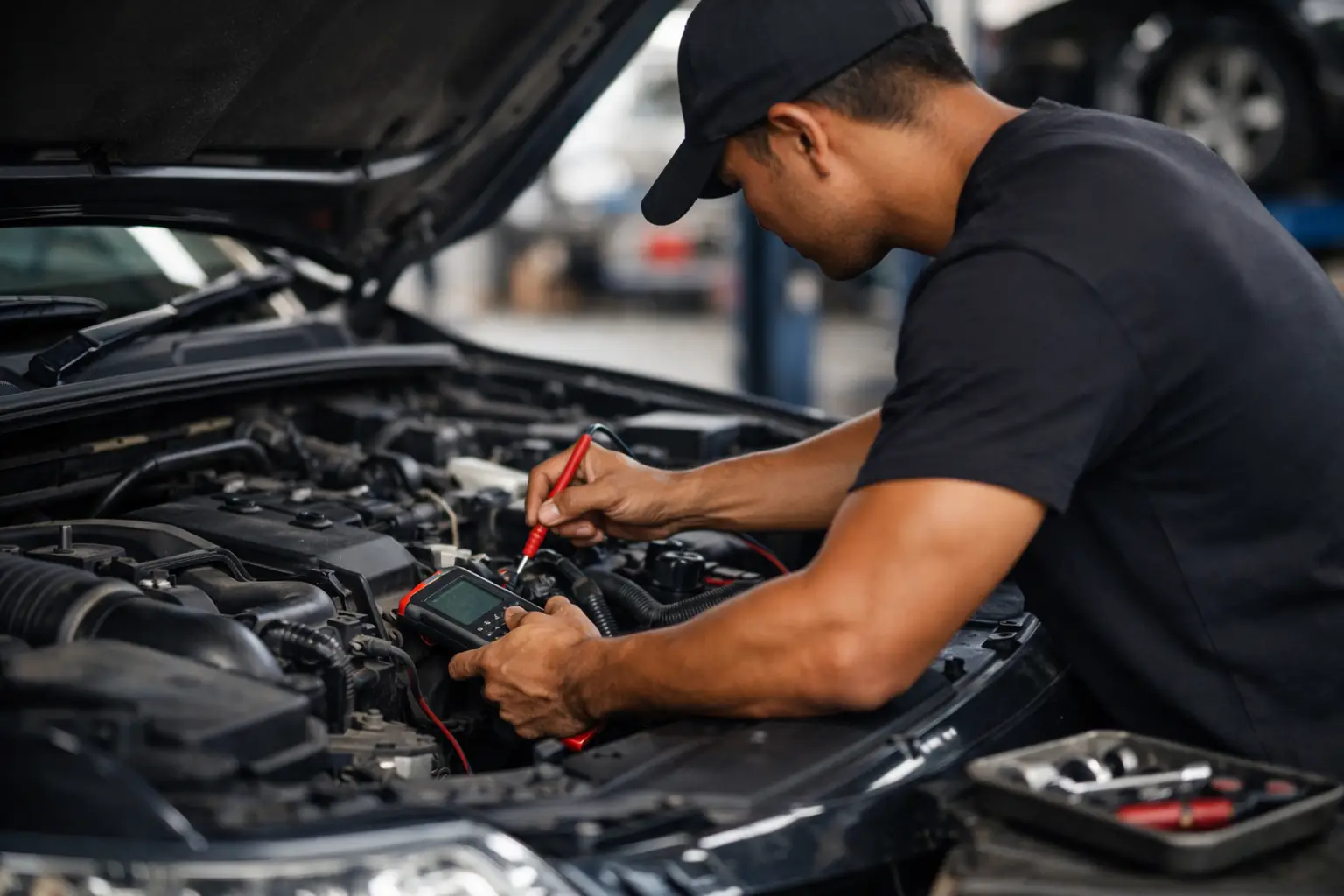
A proper battery and alternator test measures more than voltage. A battery can show around 12 volts at rest yet lack the capacity to start the engine under load. Testing helps identify whether the battery is healthy, whether the alternator is charging correctly and whether further diagnosis is needed.
Getting the right battery without the guesswork
Check the battery label and your owner’s manual before buying a replacement, but do not rely on the label alone if the vehicle has had previous electrical work. Confirm the battery type, capacity and fitment against the manufacturer’s requirements. If it has stop-start, assume the specification matters until proven otherwise.
For drivers searching Auto Electrician near me after a no-start, mobile testing can save the hassle of organising a tow or taking time off to visit a workshop. A qualified technician can test the battery, charging system and connections at your location, then fit the correct replacement where appropriate.
If you are searching Auto electrican Blacktown or need help elsewhere across Sydney, Ray’s Auto Electrical can assess the cause of the problem on site. The aim is not just to get the engine started today, but to make sure the battery type and charging system will keep doing their job tomorrow.
The right battery is the one your vehicle is designed to use and your driving habits demand. If you are unsure whether AGM or conventional lead acid is suitable, have it tested before the next flat battery decides your plans for you.