
You go to bed with a car that started fine, then wake up to a flat battery and a day that’s already off track. If your car keeps going flat overnight, there’s usually a clear reason behind it. The trick is finding whether the problem is the battery itself, the charging system, or an electrical drain that keeps pulling power after the car is parked.
For most drivers, this is not something you want to guess at. A battery can test weak, an alternator can undercharge without fully failing, and even a small fault like a glove box light staying on can flatten a car by morning. Getting the right diagnosis early saves money, time and the frustration of replacing parts that were never the problem.
Why a car keeps going flat overnight
An overnight flat battery points to one of three common issues. The battery may no longer be holding charge properly. The alternator may not be recharging it enough while you drive. Or the vehicle may have a parasitic drain, which means something electrical is staying on or drawing more current than it should when the ignition is off.
Sometimes the cause is straightforward. A battery that is five years old and struggling through colder mornings may simply be at the end of its life. Other times it is less obvious. The car might start and drive normally during the day, which leads people to think the battery is fine, but the real issue is a slow drain overnight.
That is why testing matters. Swapping in a new battery without checking the charging system and current draw can fix nothing at all.
The battery may be worn out
Batteries do not last forever, especially in vehicles used for lots of short trips. If you are mostly driving to the shops, school drop-off or the station, the battery may not be getting enough time to recharge properly between starts. Over time, that repeated strain shortens its life.
Heat also matters in Sydney. Under-bonnet temperatures are hard on batteries, and age catches up quickly once a battery starts to weaken. A battery can have enough power one afternoon, then fail badly the next morning.
Signs your battery may be the main problem include slow cranking, dim interior lights when starting, needing jump starts more than once, or seeing corrosion around the terminals. Loose or dirty battery terminals can also create trouble, although that usually shows up as intermittent starting rather than a true overnight drain.
The alternator might not be charging properly
A lot of people assume a flat battery automatically means the battery is faulty. That is not always the case. If the alternator is not charging at the correct voltage, the battery never fully recovers after each drive. It may then look like the battery is dying overnight when really it is going to bed half charged.
You might notice warning lights on the dash, headlights that seem weaker than usual, or electrical accessories behaving oddly. In some cases, there are no obvious signs until the car refuses to start.
Alternator faults can be inconsistent too. A charging problem may only show up under load, at certain engine speeds, or once the vehicle is warm. That is why a proper charging system test is more useful than a quick guess based on symptoms alone.
An electrical drain is often the hidden culprit
If the battery and alternator both test okay, the next likely issue is a parasitic drain. This is when something continues drawing power after the vehicle has been switched off and locked.
Common causes include interior lights, boot lights, glove box lights, aftermarket dash cams, faulty relays, audio systems, alarm systems, control modules that do not go to sleep properly, or damaged wiring. Even a small drain can flatten a battery overnight if the battery is older or already a bit weak.
Aftermarket accessories are worth checking carefully. A poorly fitted stereo, tracker, UHF or dash cam can create an ongoing draw that is easy to miss. This does not mean accessories are a bad idea. It usually means they need to be installed and tested properly.
If you have recently added any electrical accessory and the trouble started soon after, that is a strong clue.
What you can check yourself first
Before booking a diagnostic job, there are a few simple things you can look at. Make sure no interior light is staying on once the doors are shut. Check the boot light as well, because that one is easy to miss. Look for obvious corrosion on the battery terminals and make sure the clamps are tight.
If the battery is old and you know it has been struggling, age may be the answer. If the battery is fairly new, think about whether anything changed around the time the problem began. A new accessory, recent repair work, or even a door not latching properly can point you in the right direction.
Still, these checks only go so far. Modern vehicles have multiple modules and circuits that can drain current without any visible sign. You can spend hours chasing it and still not land on the real fault.
Why guessing usually costs more
The most common mistake is replacing the battery first because it seems like the obvious fix. Sometimes that works. Sometimes it does not, and you are then paying for battery testing, alternator testing and fault finding after already spending money on a battery you may not have needed.
The opposite can happen too. Some drivers keep jump starting the car for days, hoping it is just a one-off issue, but repeated deep discharge can damage the battery further. That turns a repairable charging or drain problem into a battery replacement as well.
A proper diagnosis checks battery condition, charging voltage and parasitic draw together. That gives you a clearer answer and avoids the parts-swapping approach.
If your car keeps going flat overnight, here’s what a technician will test
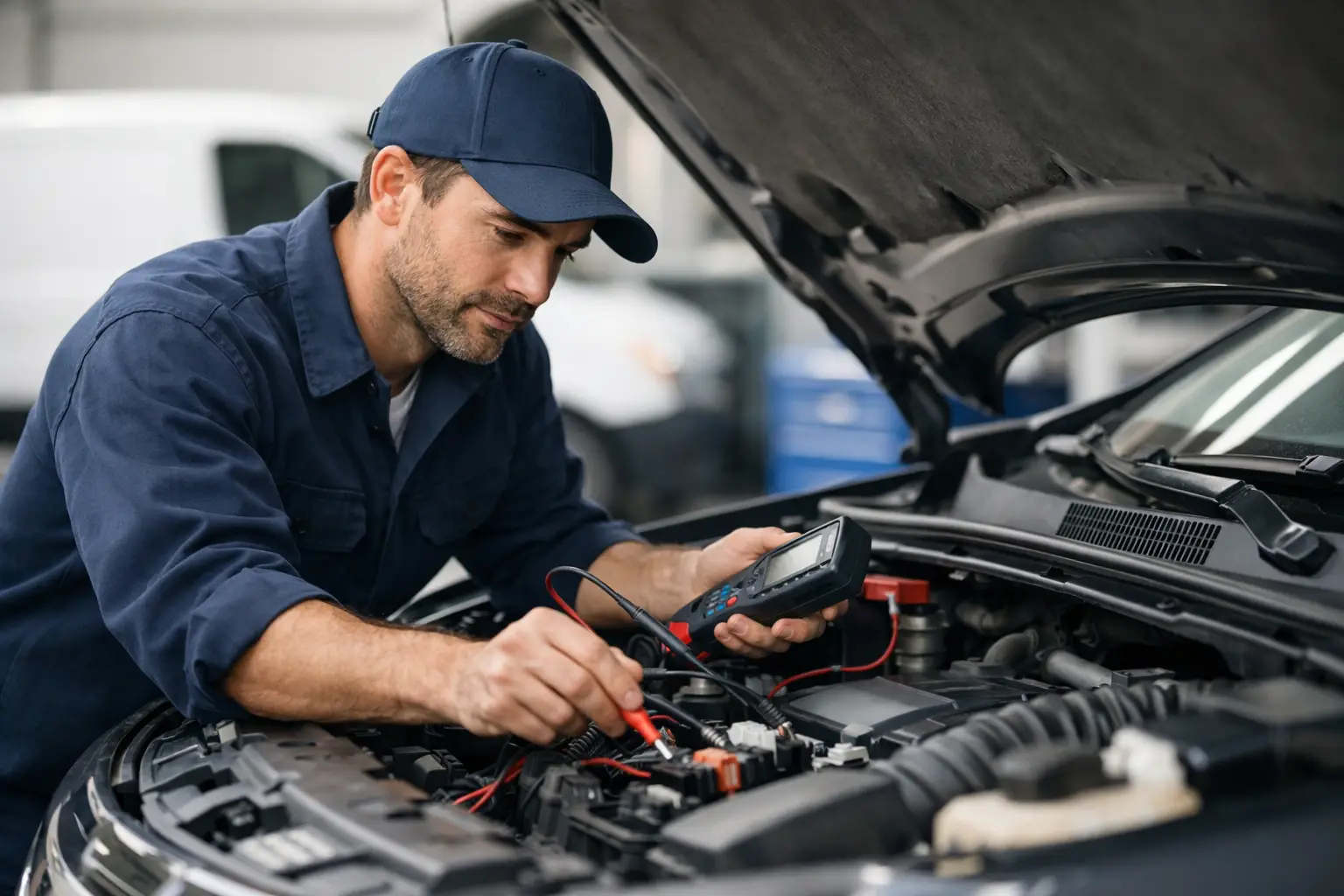
A qualified auto electrician will normally start with the battery state of charge and overall condition. If the battery is severely discharged, it may need to be charged and retested to see whether it is still serviceable. From there, the charging system is checked to confirm the alternator is producing the correct output.
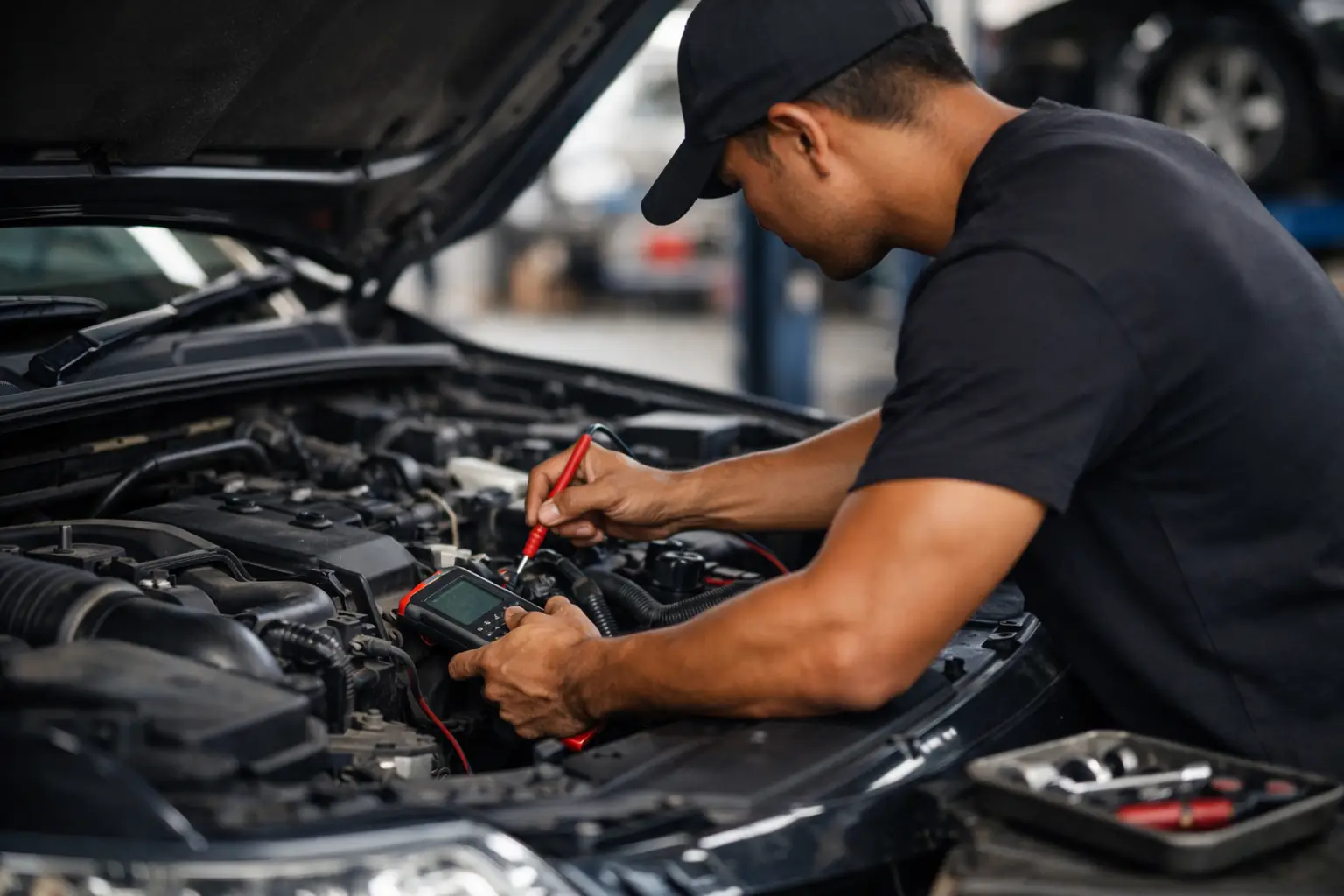
If both of those pass, the next step is current draw testing. This measures how much power the vehicle is using when switched off. If the draw is too high, circuits are isolated one by one to identify what is staying active. That process takes more skill on modern vehicles because some modules power down on a delay, and opening doors or disturbing the system can change the reading.
This is where experience matters. The issue might be a simple light switch, or it might be a more involved fault in a control unit or aftermarket wiring. Either way, testing narrows it down properly.
When to call a mobile auto electrician
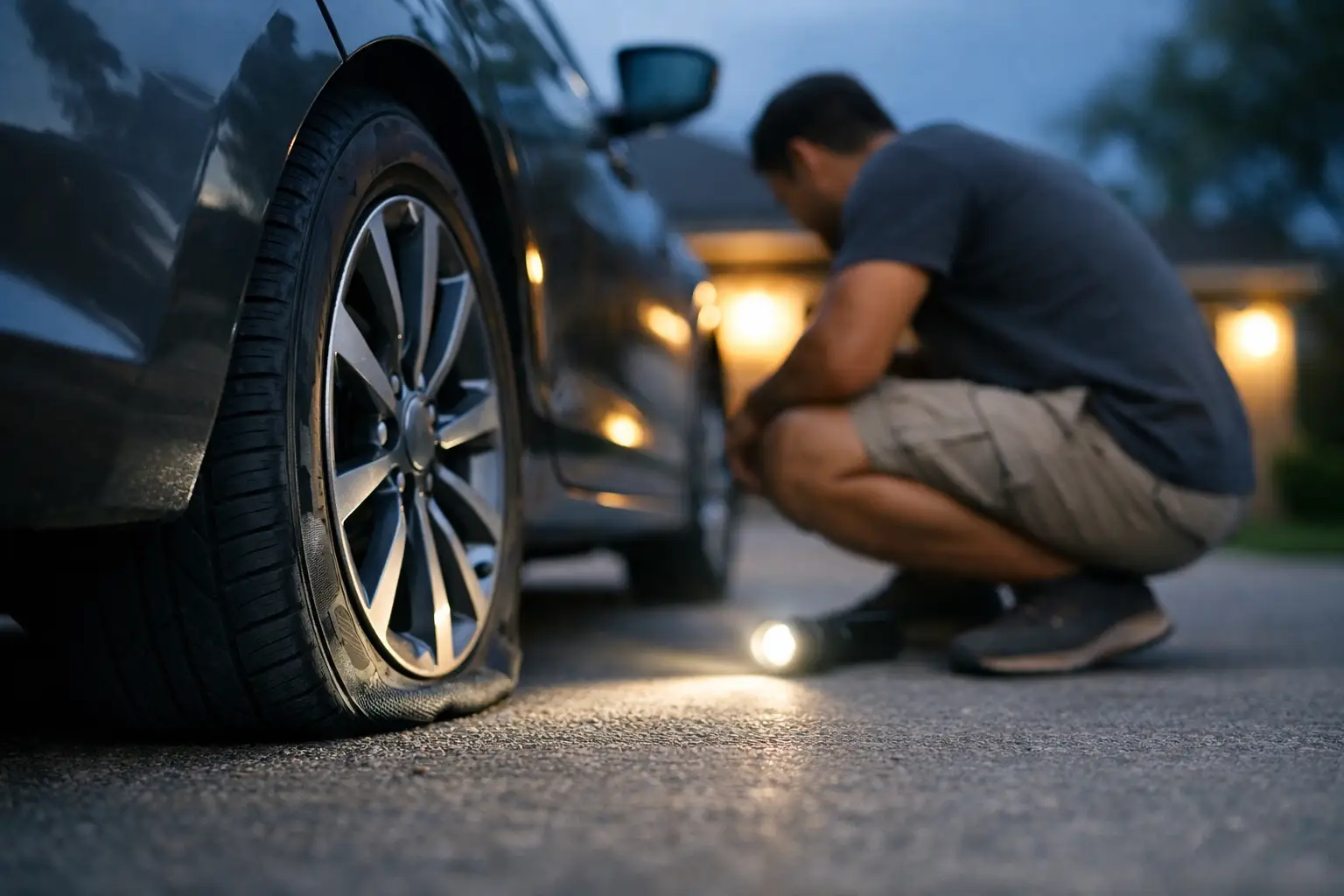
If the car is at home, at work, or stranded somewhere inconvenient, mobile diagnosis makes a lot of sense. There is no point organising a tow for a fault that can often be tested on site. That is especially useful if the battery is flat in the morning and you need an answer quickly, not after sitting in a workshop queue.
Many drivers searching Auto Electrician near me are not after a big explanation. They just want someone to come out, test the car properly and tell them what it needs. That is fair enough. A flat battery should not mean half a day lost.
For drivers in the west, an Auto electrician Blacktown service can also be practical when the vehicle is parked at home or on a job site and you need a local response without the usual back and forth.
Don’t wait for the next flat start
An overnight battery issue rarely fixes itself. It usually gets worse, and it tends to fail at the worst possible time – before work, on a school run, or when you are already running late. Whether the cause is a weak battery, a charging fault or an electrical drain, the sooner it is tested, the easier it is to deal with.
If your car has gone flat more than once overnight, take that as your warning sign. A good diagnostic check now is usually a lot simpler than dealing with a no-start tomorrow.