
Parking at Westpoint on a Saturday, squeezing into a school pick-up zone, or backing a ute into a tight driveway – these are the moments when reverse camera installation western suburbs drivers ask about most. It is not just about convenience. For a lot of Sydney vehicle owners, it is about making daily driving less stressful and a lot safer.
A reverse camera gives you a clearer view of what sits behind your vehicle, especially in spots where mirrors do not show enough. That matters for family cars, work vans, SUVs and utes alike. If you have ever second-guessed a reverse park, worried about kids’ bikes in the driveway, or found yourself inching back on guesswork alone, a properly fitted camera is a practical upgrade.
Why reverse camera installation western suburbs drivers choose matters
Not all reverse camera setups are equal. The camera itself matters, but the installation matters just as much. A poor fit-out can leave you with fuzzy images, delayed display response, loose wiring, water issues, or a camera angle that misses the point entirely.
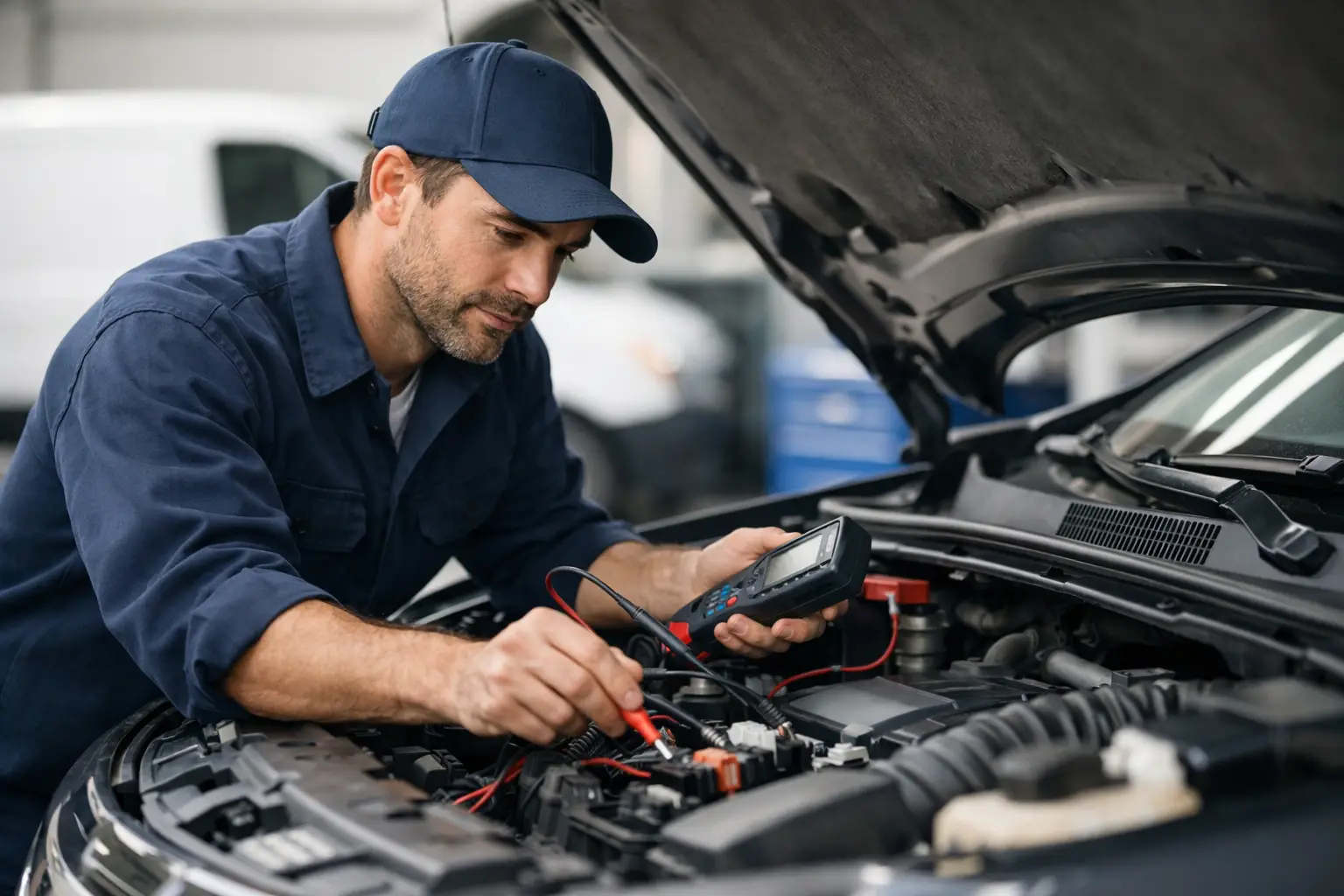
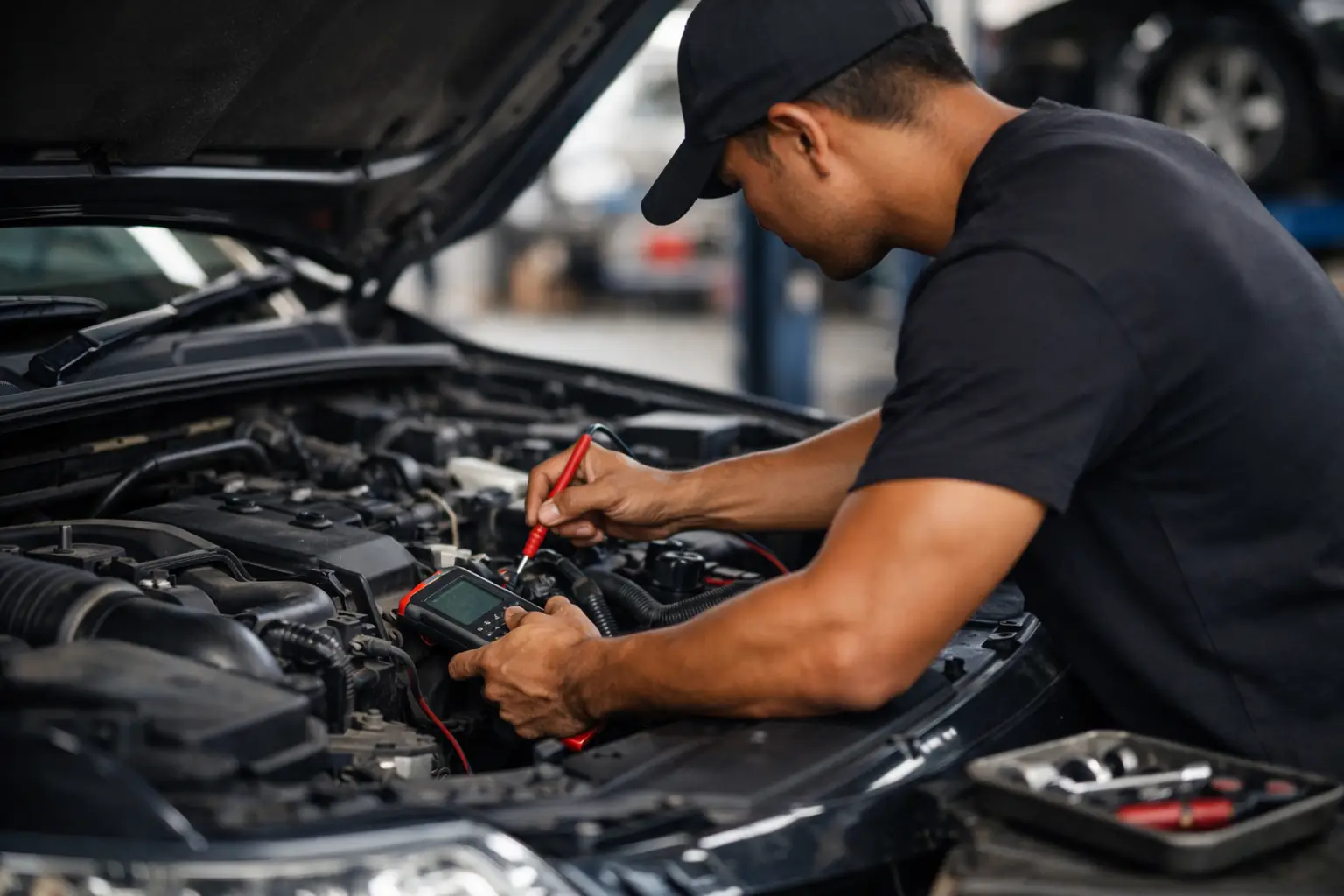
A professional install starts with the right camera position for your vehicle. Hatchbacks, sedans, 4WDs and commercial vehicles all need a slightly different approach. Then there is the wiring, which should be tucked away neatly, protected from damage, and connected in a way that works reliably every time you select reverse.
For many drivers in the west, convenience is a big part of the decision too. Taking time off work, arranging a workshop drop-off and waiting around is not ideal. That is why mobile fitting appeals to busy households, tradies and commuters who just want the job done properly at home or work.
What a proper reverse camera install should include
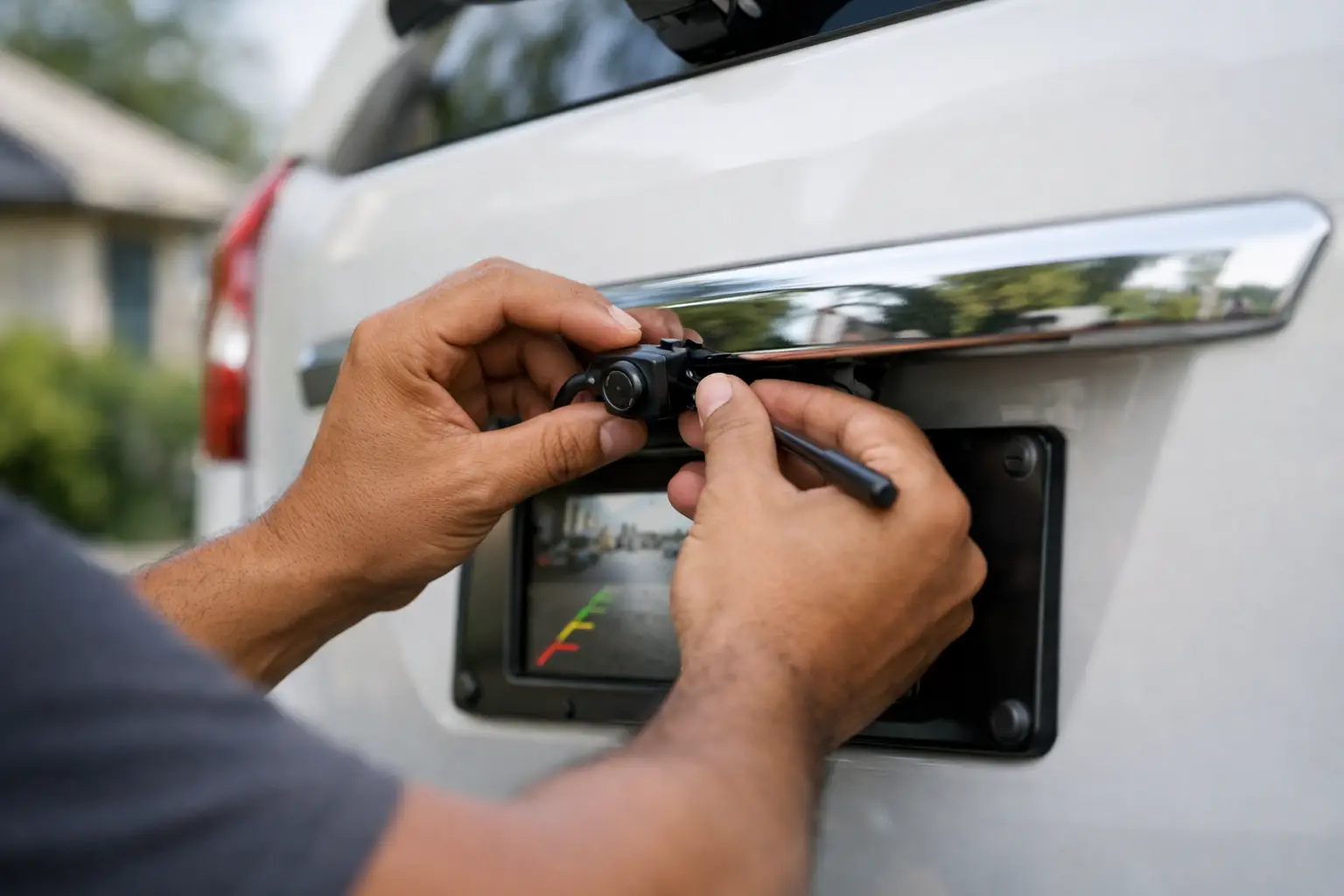
A reverse camera should feel like part of the vehicle, not an add-on that looks rushed. That starts with mounting. The camera needs a stable position with a useful field of view, without sitting so exposed that it is likely to get knocked or weather-damaged.
The display side of the setup also depends on the vehicle. Some cars can integrate the camera feed into an existing screen. Others need a separate monitor or a compatible head unit. There is no single best option for every vehicle. It depends on the age of the car, the factory electronics, the budget and how clean you want the final result to look.
Good installers also think ahead. If the vehicle is used for towing, carries tools, or spends time on rougher roads, the wiring and mounting need to suit that use. A cheap install may work fine in the short term, but can become a headache once vibration, moisture and daily use start to test it.
Factory-style vs aftermarket setups
Some vehicle owners want a factory-style finish, where the camera looks almost original. Others are more focused on function and keeping the cost sensible. Both are valid. The right choice comes down to what suits the vehicle and how you use it.
Factory-style options often look neater and can blend better into modern vehicles, but they may take more time and cost more to fit. Aftermarket systems can still work very well when chosen properly, especially if image quality and durability are prioritised over appearance alone.
Camera quality is not all the same
This is where people often get caught out. Two cameras can look similar online, yet perform very differently once installed. Night vision, image clarity, viewing angle and weather resistance all vary.
A very wide camera angle sounds great, but if it distorts the image too much, judging distance can become harder. A low-cost camera might be fine in perfect daylight, then struggle badly in low light or wet weather. It depends on where and when you drive most.
Who benefits most from a reverse camera?
Almost anyone can. Families like the extra visibility in driveways and car parks. Older drivers often find reversing less tiring with a clear screen to check behind them. Tradies appreciate the help when backing work vehicles into narrow access points or busy job sites.
It is also a worthwhile upgrade if you have recently changed vehicles. Many people move from a newer car with parking tech into an older second vehicle and quickly realise how much they relied on that added visibility. Once you get used to a reverse camera, going without one can feel like a step backwards.
For people searching Auto Electrician near me, it is usually because the issue is not just buying a camera – it is making sure it works properly with the car. That is where qualified fitting makes the difference.
Mobile fitting makes life easier
A reverse camera is a straightforward upgrade when done by someone who handles vehicle electrical work every day, but it still needs time, care and the right setup. Having that done on-site is often the biggest advantage for customers.
Instead of driving across town, waiting in a queue, then arranging transport while the vehicle is off the road, mobile service brings the work to you. That suits people at home, at work, or managing family commitments. It also helps if the vehicle is part of your daily income and you cannot spare a full day at a workshop.
For customers looking for Auto electrician Blacktown services, mobile support can be especially useful when time is tight and the vehicle needs to stay close by. It is a practical solution, not an extra luxury.
Common mistakes with DIY reverse camera installs
DIY kits can seem simple enough, but the problems usually show up after installation. Wires may be left too exposed, connections may not be secure, and some systems end up with interference or unreliable switching when reverse gear is engaged.
There is also the risk of damaging trim, drilling in the wrong place, or creating electrical faults that are harder to trace later. On newer vehicles, that risk can be even higher because the electronics are more integrated than many people realise.
That does not mean every DIY attempt fails. Some basic systems can be installed well by confident owners. But when the goal is reliability, tidy presentation and correct operation, professional fitting usually saves time and frustration.
Choosing the right installer
The best installer is not just someone who can fit a camera. You want someone who understands vehicle electrical systems, can recommend a suitable setup, and takes the time to do neat work. That includes clean cable routing, secure mounting and making sure the camera image is actually useful from the driver’s seat.
It also helps to choose a local mobile specialist who understands the way people use their vehicles across Sydney’s west – whether that is commuting, school runs, trade work or everyday suburban driving. A one-size-fits-all recommendation rarely works well.
If your car already has electrical issues, or you are adding other accessories such as a dash cam or updated head unit, it makes sense to have everything looked at together. That can avoid duplicate labour and make sure the final setup works properly as a complete system.
Is a reverse camera enough on its own?
Sometimes yes, sometimes no. For many drivers, a reverse camera is all they need. For larger vehicles, or drivers who regularly park in tighter spaces, pairing it with parking sensors can offer extra confidence.
A camera shows what is behind you, but it still depends on the driver checking the screen and judging distance. Sensors add another warning layer, particularly for low objects or when visibility is poor. If you drive a larger SUV, van or ute, that combined setup can be worth considering.
Still, there is no point paying for more than you need. If your main issue is reversing into driveways or standard shopping centre parks, a quality reverse camera on its own may be the right fit.
A well-installed reverse camera should make your day easier from the first time you use it. Less guesswork, less stress, and a safer view when reversing – that is why this upgrade continues to be one of the most practical additions for everyday drivers across Sydney.