
A dash cam is only useful if it works when you need it. That sounds obvious, but plenty of drivers end up with loose cables, unreliable power, blocked vision, or cameras that stop recording without warning. A proper dash cam installation service fixes those problems before they start and gives you a setup that looks tidy, runs reliably and suits how you actually use your vehicle.
For a lot of Sydney drivers, the issue is not buying the camera. It is making sure it is fitted properly. If you commute daily, park on the street, drive for work, or share the car with family, a badly installed unit becomes a nuisance fast. Wires hanging near the windscreen, power leads across the dash, or a camera placed in the wrong spot can be distracting and frustrating. In some cases, poor installation can also affect battery performance or leave features like parking mode unusable.
Why a professional dash cam installation service matters
There is a big difference between plugging a camera into a cigarette socket and having it professionally installed. A basic plug-in setup might work for some drivers, especially if you only want front recording while the engine is running. But if you want a cleaner finish, hardwired power, parking surveillance, or a front and rear camera system, professional installation makes a real difference.
The biggest advantage is reliability. A qualified installer knows where to mount the camera so it captures the road clearly without interfering with your view. They also know how to route cables through trims and linings without damaging interior panels or leaving wires exposed. That matters not just for appearance, but for safety and long-term performance.
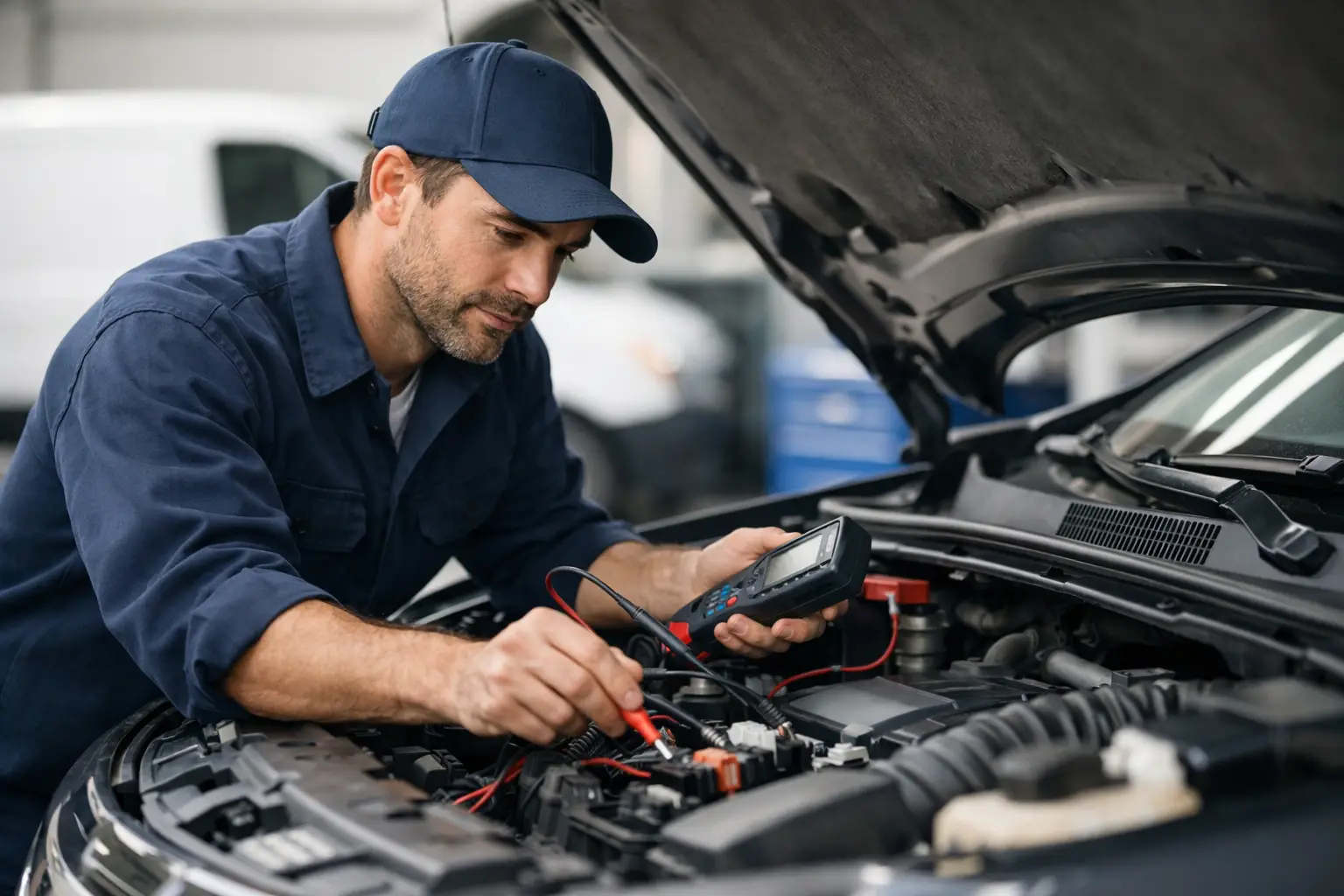
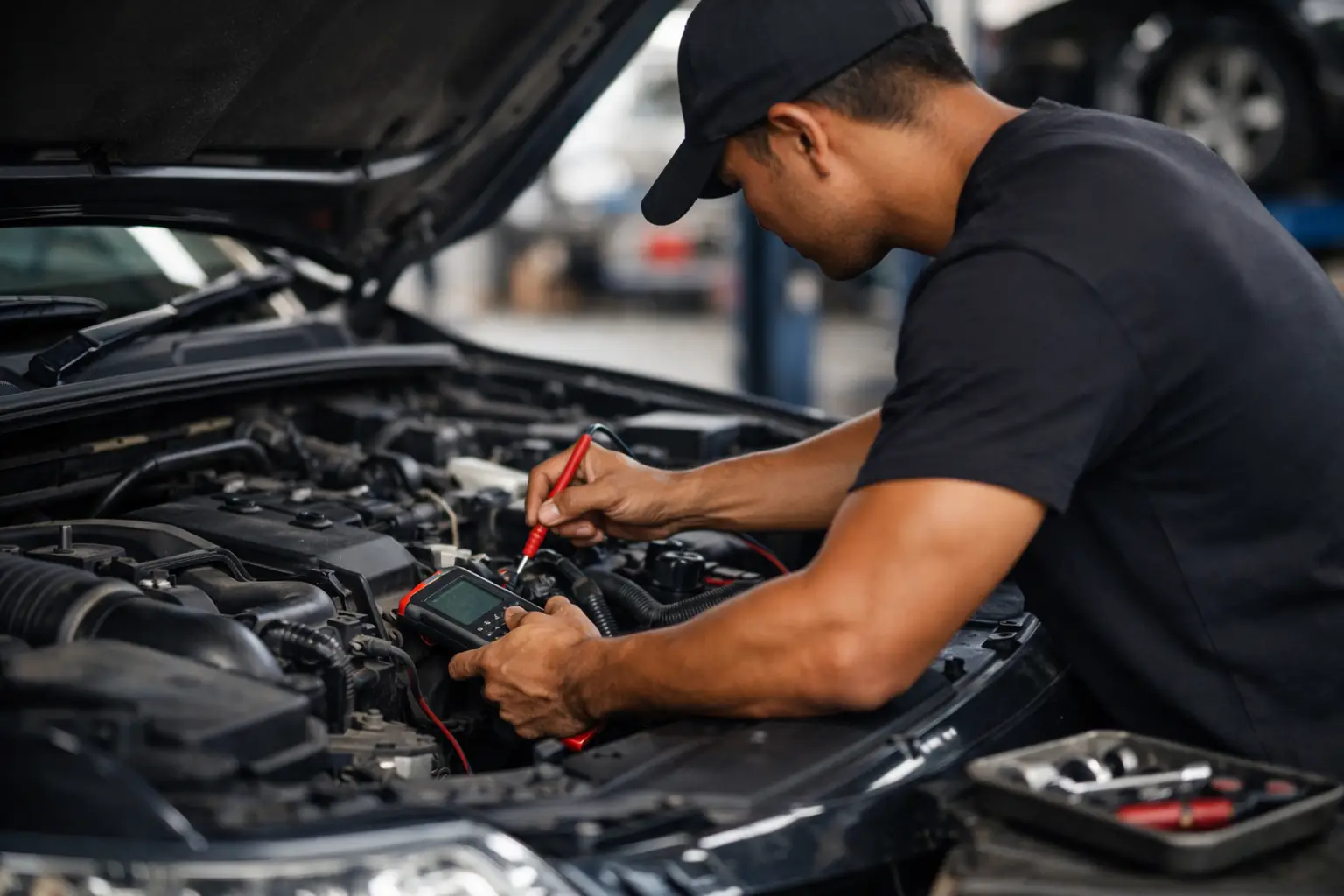
Power supply is another area where proper workmanship counts. Hardwiring a dash cam is not just a matter of connecting a few wires and hoping for the best. The installer needs to identify the correct power source, use the right protection, and make sure the camera behaves as it should when the vehicle is on or off. If parking mode is part of the setup, battery protection is especially important.
What can go wrong with DIY dash cam installs
Some DIY installs are fine. Others create more trouble than they save. The most common problem is poor cable routing. People often run wires across airbags, crush them behind trims, or leave them loose around the cabin. It might not look serious at first, but over time that can lead to rattles, damage or intermittent power issues.
Another common mistake is choosing the wrong mounting position. If the front camera sits too low, too high, or off-centre, it may miss important footage or interfere with the driver’s line of sight. Rear cameras can also be tricky, especially on hatchbacks, SUVs and utes where cable runs need extra care around moving tailgates and weather seals.
Then there is the power side of it. If the camera is connected to the wrong circuit, it may switch off unexpectedly, fail to enter parking mode, or continue drawing power when it should not. That is where people start searching Auto Electrician near me after a flat battery or a camera that never seems to work properly.
What to expect from a proper installation
A professional dash cam installation service should start with the vehicle and the camera model, not a one-size-fits-all approach. Different vehicles have different interior layouts, fuse box access, trim designs and electrical considerations. A small hatchback, a family SUV and a trade ute will not all suit the same installation method.
The first step is usually confirming what you want from the system. Some drivers only need front recording for incident protection on the road. Others want front and rear coverage, parking mode, or a setup that stays discreet and factory-looking. Once that is clear, the installer can choose the best mounting points, cable path and power method.
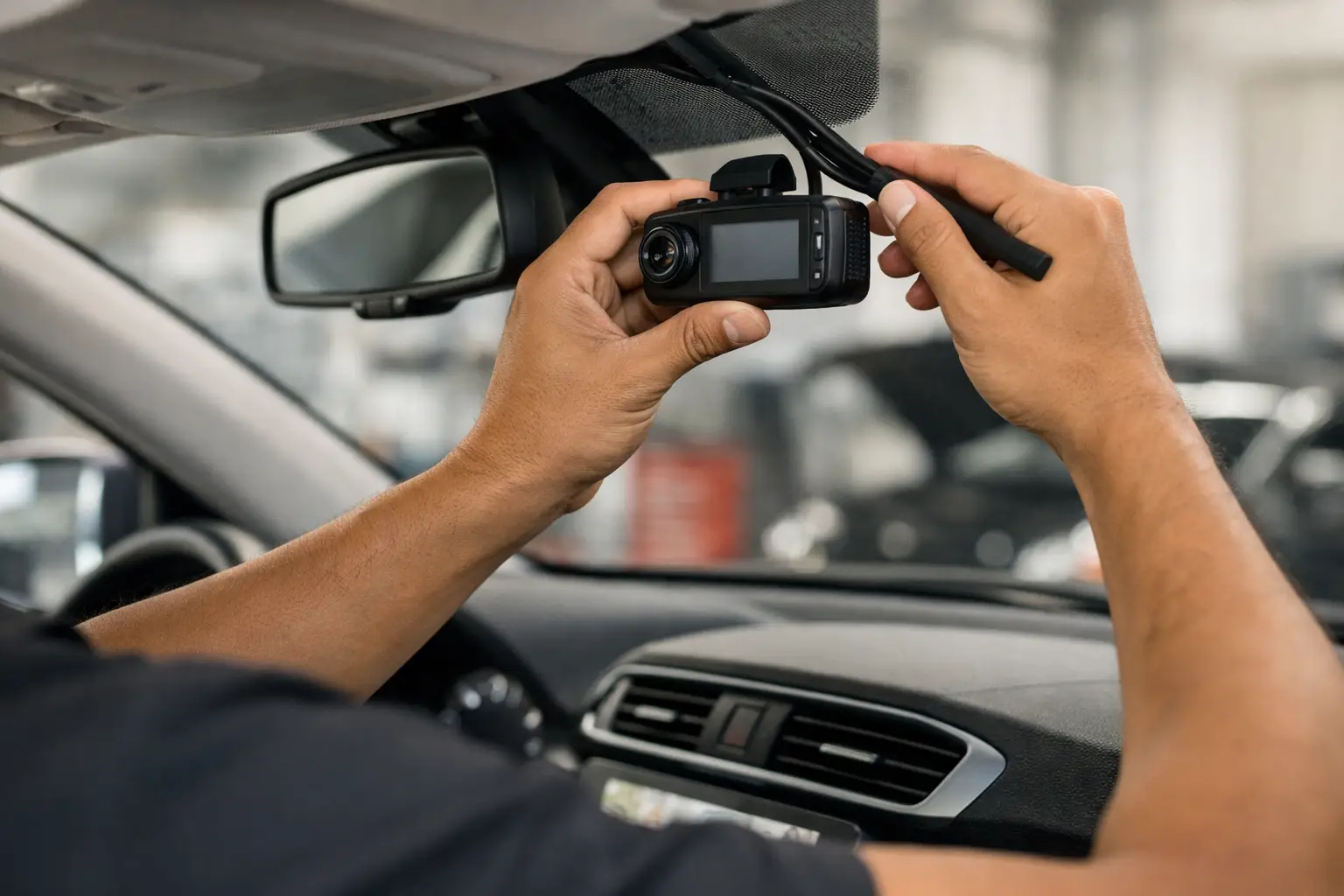
A quality install should leave the camera positioned neatly behind the rear-view mirror where possible, with minimal visible wiring. Cables should be tucked properly through trims and linings, not pushed in roughly or left dangling. If the system is hardwired, it should be fused correctly and tested to confirm normal operation.
Good installers also test the basics before handing the vehicle back. That includes checking recording, start-up behaviour, rear camera image if fitted, and parking mode if included. It is a simple step, but it saves customers from finding out later that the camera powers on without actually recording.
Hardwire or plug-in – which one is better?
It depends on what you want from the camera. A plug-in setup is cheaper and quicker. For drivers who only want recording while driving and do not mind a visible cable or occupied power socket, it can be enough.
Hardwiring is usually the better option if you want a cleaner finish and more dependable day-to-day use. It frees up the power socket, hides the wiring and allows access to features like parking mode on compatible units. It also feels more like part of the car rather than an accessory stuck on as an afterthought.
That said, hardwiring needs to be done properly. Not every vehicle is equally straightforward, and not every camera kit is the same quality. If battery protection settings are not handled correctly, parking mode can become more trouble than benefit. This is where experienced auto electrical work matters.
Dash cam installation service for work vehicles and family cars
A lot of people think dash cams are mainly for rideshare drivers or commercial vehicles. In reality, they are just as useful for private motorists. If you spend time in traffic, park in busy areas, or lend the car to other drivers in the family, having footage available can save arguments and stress after an incident.
For trade vehicles, the benefits are often broader. A ute or van used across multiple sites may need front and rear coverage, dependable power and a neat install that can handle daily use. Work vehicles tend to cop more wear, so poor-quality fitting shows up quickly. Exposed cables, loose mounts and unreliable power are not just annoying – they can interrupt the whole reason the camera was fitted in the first place.
For family vehicles, a discreet install is usually a bigger priority. Most drivers want the system there when needed but not in the way. That means careful placement, tidy wiring and a setup that works without constant fiddling.
Choosing the right installer
Not every accessory fitter has the same level of auto electrical experience. Dash cams seem simple, but they still involve vehicle trims, power supply, fuse protection and model-specific fitment decisions. A qualified installer should be able to explain what suits your vehicle in plain English, not bury you in jargon.
It is worth looking for someone who works on-site and understands everyday vehicle use. Convenience matters. If your car is at home or at work, a mobile service can save time and avoid the hassle of dropping the vehicle at a workshop and rearranging your day.
Local knowledge helps too. Customers often search for Auto electrican Blacktown because they want someone nearby who can respond quickly and do the job properly without long delays. That same logic applies across Sydney. People want straightforward service, fair pricing and workmanship they do not have to second-guess.
When installation quality shows up later
The best dash cam install is usually the one you stop thinking about. The camera starts when it should, records properly, and does not clutter the cabin. You are not adjusting cables, rebooting the unit or wondering why the parking mode drained the battery.
Poor installation tends to show up later. A cable works loose after a few weeks. Interior trim starts rattling. The rear camera cuts out when the tailgate moves. The battery goes flat after a weekend parked. None of that feels major at the time of installation, but it quickly turns a useful accessory into an ongoing irritation.
That is why getting it done properly from the start is usually the better value option. It saves time, avoids repeat work and gives you confidence that the camera will actually be there for you if something happens on the road or while parked.
If you are fitting a dash cam, the goal is not just to stick a camera on the windscreen. It is to have a system that suits your vehicle, looks neat, and works every time you turn the key or walk away from the car.