
A flat battery always seems to happen at the worst time – in the driveway before work, outside the shops, or when the kids need picking up. When weighing up battery replacement vs jump start, the key question is simple: is the battery temporarily flat, or has it reached the end of its working life? A jump start may get you moving today, but it will not repair a battery that can no longer hold a charge.
For Sydney drivers, knowing the difference can save a wasted trip, prevent another no-start later in the day, and help avoid being stranded in an inconvenient spot.
What a jump start actually does
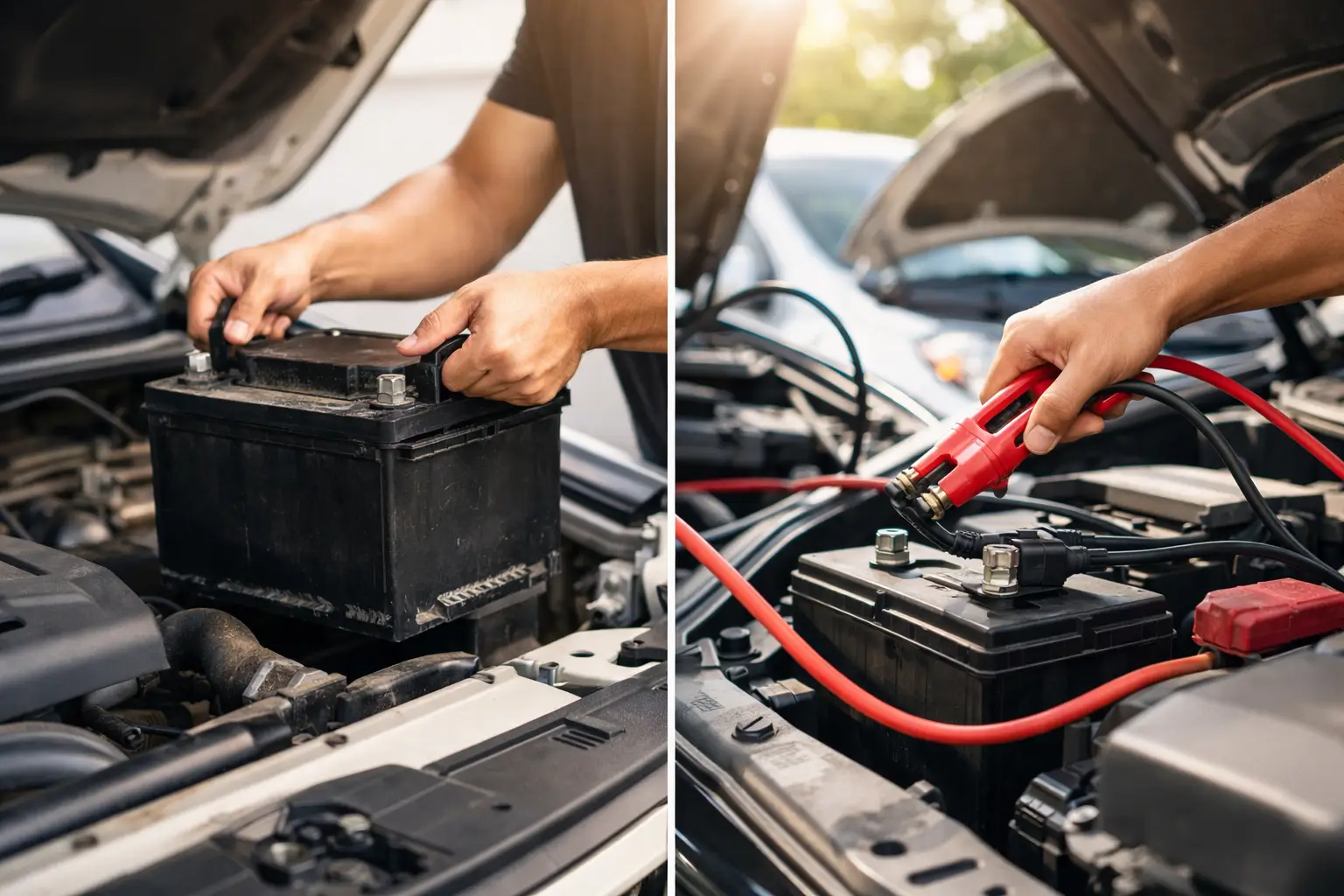
A jump start uses power from another vehicle or a jump pack to provide enough current for your engine to crank and start. Once the engine is running, the alternator should recharge the battery while supplying power to the vehicle’s electrical system.
It is a useful short-term solution when the battery has gone flat because something was left on, such as interior lights, headlights or an accessory. It can also help after a car has been parked for an extended period, particularly if the battery was healthy before it sat idle.
A successful jump start does not automatically mean the battery is fine. If your vehicle starts with a boost but will not restart after a short drive, the battery may be weak, the alternator may not be charging properly, or there could be an electrical drain when the vehicle is switched off.
When a jump start is the sensible option
A jump start is worth considering when there is a clear reason the battery discharged and the battery is relatively new. For example, you may have left a cabin light on overnight or used accessories while the engine was off. In these cases, the battery may simply need a proper recharge.
After the car starts, avoid assuming a five-minute drive will fix the problem. Modern vehicles place a steady load on the battery through computers, sensors, screens and safety systems. A longer drive can help, but a battery that has been deeply discharged may still need to be tested and charged correctly.
Pay attention to how the vehicle behaves once it has started. If warning lights appear, the headlights fade at idle, or the engine cuts out soon after removing the jumper leads, stop driving and arrange a professional inspection. These signs can point to an alternator or charging-system issue rather than a battery issue alone.
When battery replacement is the better call
Battery replacement is usually the smarter option when the battery is old, repeatedly goes flat, or struggles to crank the engine even after being charged. Most car batteries last around three to five years, although heat, short trips, heavy accessory use and stop-start driving can shorten that lifespan.
You may need a replacement if you notice slow cranking, clicking when turning the key, dim dashboard lights, or a battery warning light while driving. A swollen battery case, leaking fluid, corrosion around terminals, or a strong rotten-egg smell are more urgent warning signs. Do not attempt to jump start a visibly damaged or leaking battery.
A replacement should also be considered if the vehicle has needed more than one jump start in a short period. Repeated boosts are inconvenient, but they can also mask the actual fault. Fitting a new battery without testing the charging system is not always the answer either. If the alternator is failing or there is a parasitic drain, even a new battery can go flat.
Battery replacement vs jump start: the main difference
The practical difference is that a jump start restores enough power to start the vehicle once, while a battery replacement solves a battery that is no longer dependable. One is a temporary assist. The other is a repair when testing confirms the battery has failed.
The right choice depends on the battery’s age, its test result and why it went flat. That is why on-site battery and alternator testing is so useful. It removes the guesswork before you spend money on parts you may not need.
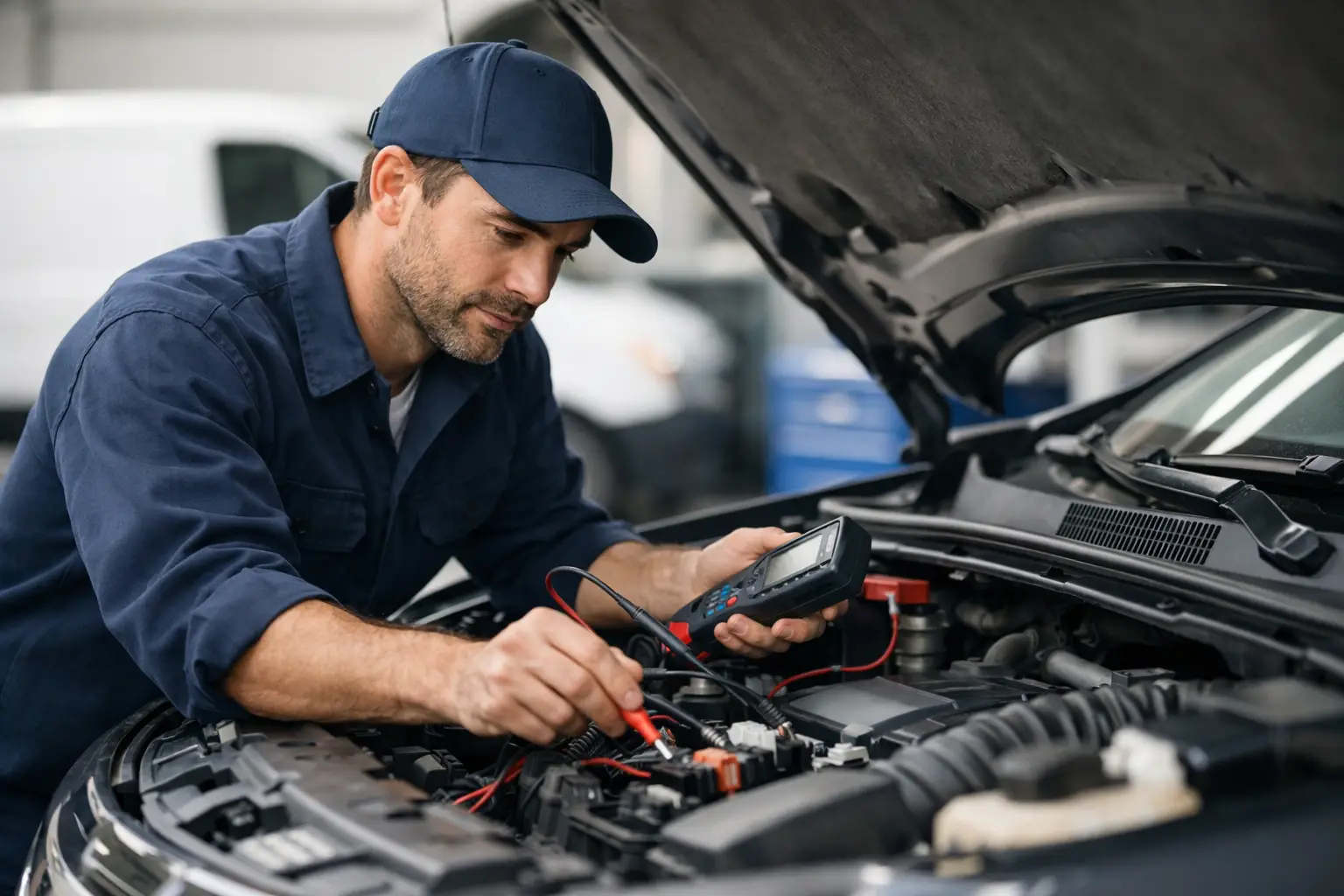
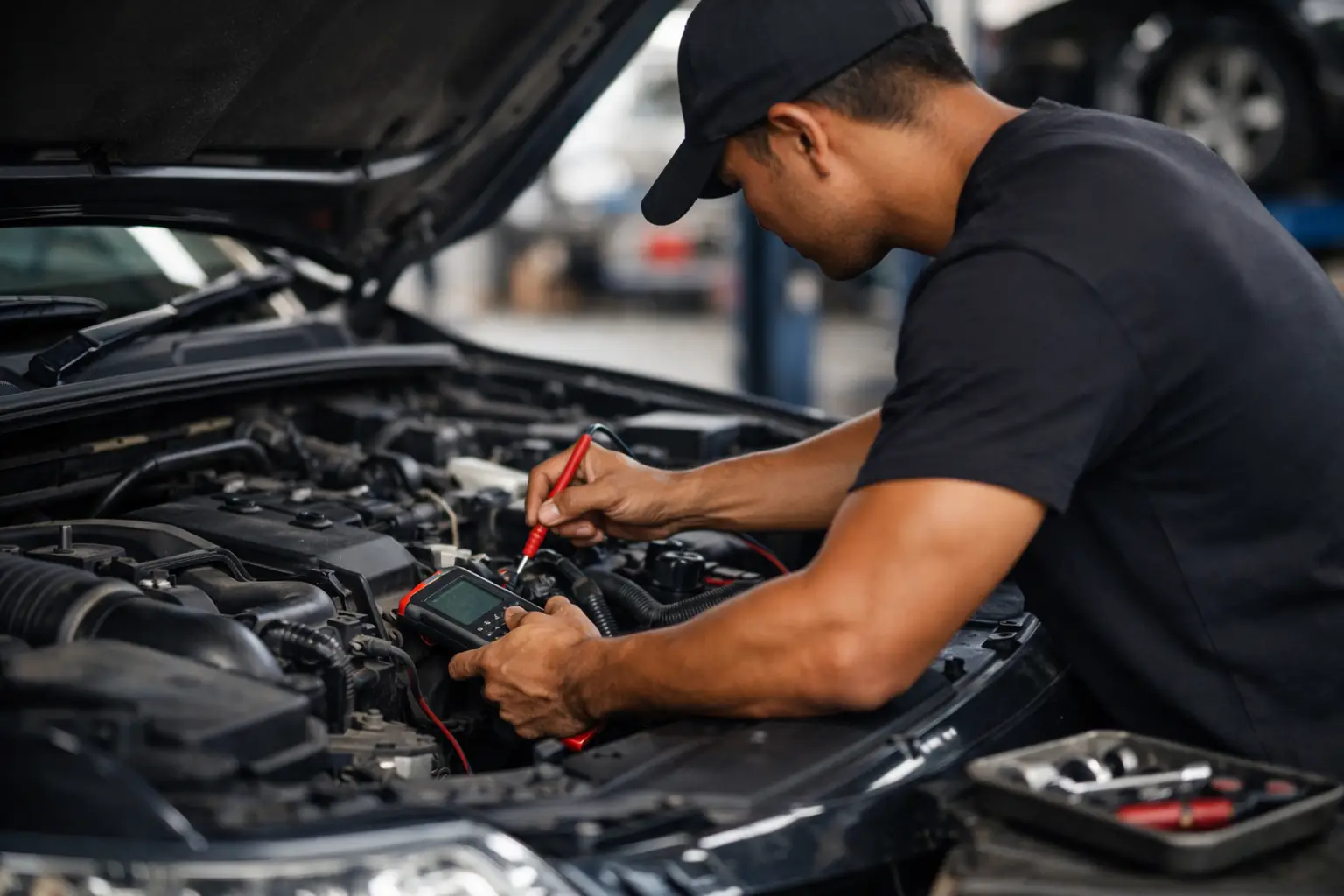
A qualified auto electrician can check battery voltage, cold-cranking performance, alternator output and the condition of the battery terminals. If there is an unwanted electrical draw, they can investigate that too. This is particularly valuable for vehicles with aftermarket accessories, dash cams, dual-battery systems, upgraded audio equipment or UHF setups.
Why a new battery can still go flat
A replacement battery is not a guaranteed cure for every starting problem. Your vehicle relies on its alternator to recharge the battery after start-up. If the alternator, drive belt, wiring or connections are faulty, the battery will gradually lose charge while you drive.
Electrical drains are another common cause. A light in the boot or glovebox that does not switch off, a faulty relay, an accessory wired incorrectly, or a module that fails to sleep can drain a battery overnight. These issues are often hard to identify without the right diagnostic equipment.
Loose or corroded terminals can create similar symptoms. The battery may have enough charge, but poor contact stops current flowing properly to the starter motor. Cleaning or repairing a connection can sometimes resolve the issue without replacing the battery.
Can you safely jump start a modern car?
In many cases, yes – but only if it is done correctly and the vehicle manufacturer’s instructions allow it. Modern cars have sensitive electronics, and incorrect lead placement can damage electrical components or create a safety risk.
Use quality jumper leads or a suitable jump pack, keep both vehicles in park or neutral with handbrakes applied, and switch off accessories before connecting anything. Connect the positive terminals first. For the negative connection, use the recommended earth point on the flat vehicle where possible, rather than attaching directly to the battery negative terminal.
Never jump start a battery that is cracked, swollen, leaking or frozen. Avoid sparks near the battery, and do not lean over it while attempting a start. If you are unsure, it is safer to call for mobile assistance than risk damage to your vehicle or injury.
The benefit of mobile battery testing in Sydney
A mobile auto electrician can come to your home, workplace or roadside location and test the full starting and charging system where the problem occurs. That means less time waiting for a tow or organising a workshop visit when the car will not start.
For drivers in the Western Suburbs, searching Auto Electrician near me or even Auto electrician Blacktown often comes after a battery has already let them down. The best outcome is not just getting the engine running. It is finding out whether you need a safe jump start, a correctly matched replacement battery, terminal repairs or further electrical diagnosis.
Ray’s Auto Electrical provides mobile battery, alternator and electrical fault testing across Sydney, helping drivers make a practical decision based on the actual condition of their vehicle. A battery replacement must be the correct type, capacity and fitment for the vehicle, especially for cars with stop-start systems or higher electrical demands.
Do not ignore recurring no-starts
If your car needs repeated jump starts, treat it as a warning rather than an inconvenience. A failing battery can leave you stranded without notice, while charging faults and electrical drains can worsen over time.
Getting the system checked early is usually easier than dealing with a no-start in a car park, at a worksite or on a busy morning. A proper diagnosis gives you a clear answer and lets you get back on the road with confidence.