
Dash Cam vs Reverse Camera: Which Do You Need?

Dash Cam vs Reverse Camera: Which Do You Need?

A tight supermarket car park, a reversing ute, a child’s bike left behind the vehicle – these are the moments that make the dash cam vs reverse camera question more than an accessory choice. Both can make driving safer and less stressful, but they do very different jobs. Choosing the right one comes down to when you need visibility, what risks concern you, and how you use your vehicle each day.

For many Sydney drivers, the best answer is not one or the other. A dash cam and reverse camera work together, covering risks on the road and around the vehicle that mirrors alone cannot always handle.

Dash cam vs reverse camera: the key difference

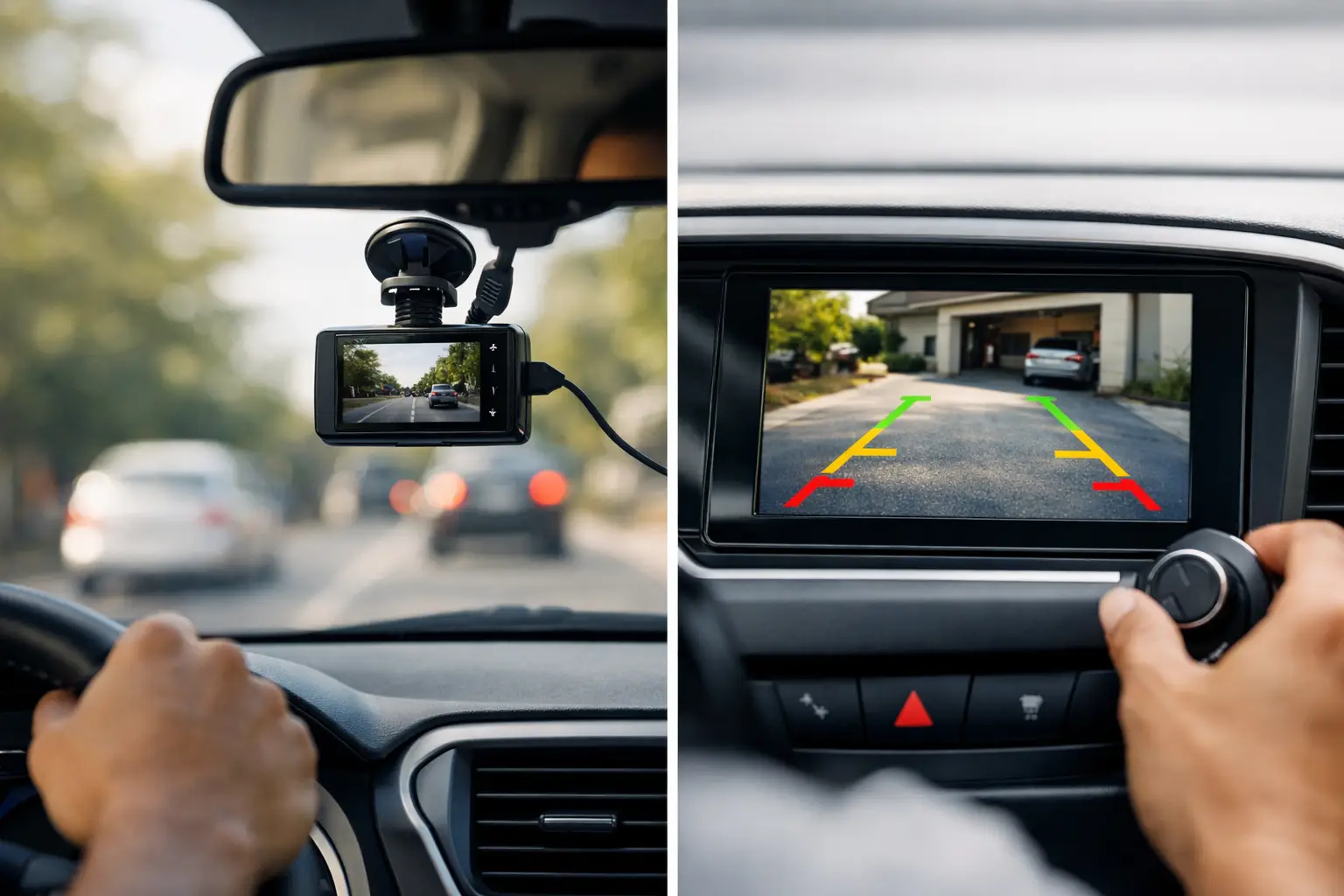
A dash cam records what happens while you drive. It normally faces forward through the windscreen and captures footage of traffic, incidents, near misses and unexpected events. Some systems also include a rear-facing camera, cabin camera or parking mode.

A reverse camera shows you what is directly behind the vehicle when you select reverse. Its purpose is live visibility, not incident recording. The image appears on a compatible head unit, rear-view mirror monitor or a separate screen, helping you reverse with greater awareness.

Put simply, a dash cam gives you a record of events. A reverse camera gives you a better view while manoeuvring. They may look similar because both use a camera and screen, but one is primarily evidence and the other is primarily practical safety assistance.

When a dash cam is the better choice

A dash cam is a sensible addition for drivers who spend plenty of time on busy roads, commute through Sydney traffic or want an independent record if something goes wrong. Even a minor collision can become frustrating if drivers disagree about what happened. Clear footage can provide useful evidence for an insurer, police report or private discussion after an incident.

It can also be valuable when your car is parked on the street, at a station or on a work site. A dash cam with properly configured parking mode may record an impact or movement near the vehicle while you are away. This feature needs careful installation, however, because it must be wired to protect your battery from being drained.

Dash cams are particularly useful for tradespeople, rideshare drivers and parents of new drivers. A tradesperson may want a record of traffic incidents while travelling between jobs. A family may want extra reassurance when a learner driver is building experience. For anyone driving long distances or regularly using motorways, footage can be worth far more than the initial cost of the installation.

That said, a dash cam will not help you see a low bollard, shopping trolley or pet behind the rear bumper while reversing. It records what is in front of you, but it is not a replacement for a proper reversing aid.

What to look for in a dash cam

Image quality matters, especially at night or when number plates need to be read. A high-resolution camera, wide but not overly distorted field of view, reliable loop recording and a quality memory card are practical essentials. A rear camera is also worthwhile if you want coverage behind the vehicle while driving.

Professional hardwiring is often the better option than running a lead across the cabin to a power socket. The wiring can be concealed neatly, the camera can be placed correctly, and parking mode can be set up with low-voltage battery protection. This is especially important in modern vehicles with sensitive electrical systems and airbags around the windscreen pillars.

When a reverse camera makes more sense

If your main concern is reversing into a driveway, fitting into tight parking spaces or seeing behind a van, wagon or ute, a reverse camera is likely the more useful first upgrade. It gives an immediate view of an area that can be difficult to check from the driver’s seat.

Reverse cameras are helpful for families with young children, drivers towing trailers, and anyone who regularly parks in crowded Western Sydney shopping centres. They can also make a large vehicle feel easier to manage. Many camera systems include parking guidelines on the display, which can help you judge distance and direction.

A reverse camera should support your normal reversing checks, not replace them. You still need to use mirrors, turn your head where safe and move slowly. Camera lenses can get dirty in rain or dust, and a screen cannot always show fast-moving pedestrians approaching from the side.

For a vehicle that does not already have a suitable display, the installation may involve fitting a new head unit or a dedicated monitor. Factory-style cameras can often be fitted neatly near the number plate or tailgate handle, while more exposed vehicles may need a camera designed for tougher conditions.

Reversing cameras and trailers

A standard reverse camera is excellent for lining up with a trailer hitch, but it may not show enough of the trailer once connected. Drivers who tow regularly may benefit from a second camera aimed at the hitch or a trailer camera system. The right set-up depends on the vehicle, trailer length and whether you need the camera for occasional weekend towing or daily work.

Is fitting both worth it?

For many vehicle owners, yes. A reverse camera helps prevent slow-speed mishaps in car parks and driveways, while a dash cam gives you a record of incidents on the road. Their roles do not overlap as much as people expect.

Fitting both at the same time can also be practical if your vehicle needs a new head unit. A quality head unit may display the reverse camera automatically and make cable routing simpler. The dash cam can then be hardwired separately for a tidy, reliable result.

The trade-off is cost. If you are working to a budget, start with the system that solves your biggest day-to-day problem. Choose a reverse camera if parking or reversing is difficult. Choose a dash cam if you spend long hours in traffic, worry about disputed accidents or leave your vehicle in public parking often.

Why installation quality matters

The camera itself is only part of the job. Poor wiring, loose mounting, low-quality connectors or incorrect power connections can lead to intermittent faults, flat batteries and an untidy finish. A camera that falls out of position or records blurry footage when you need it is not much use.

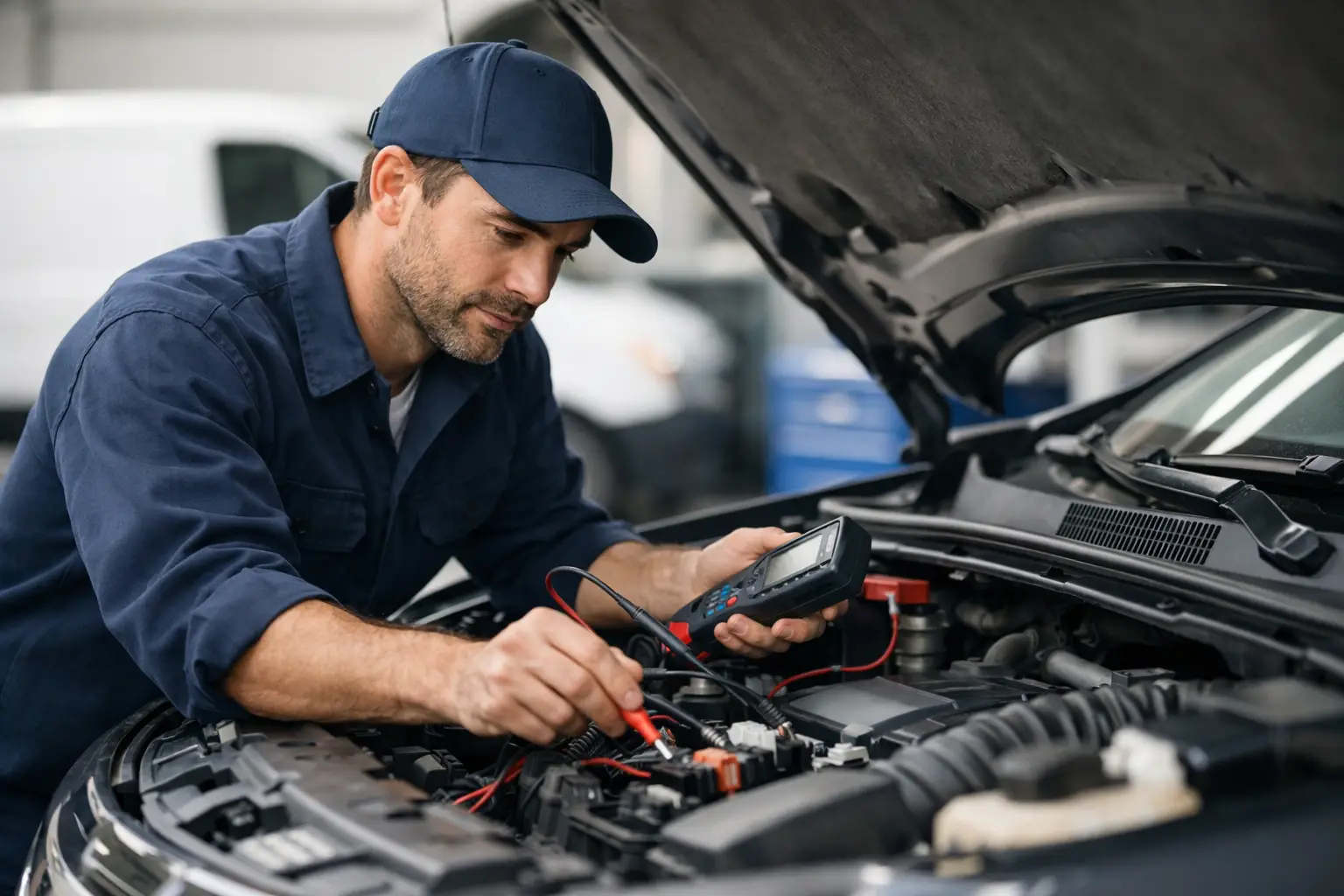
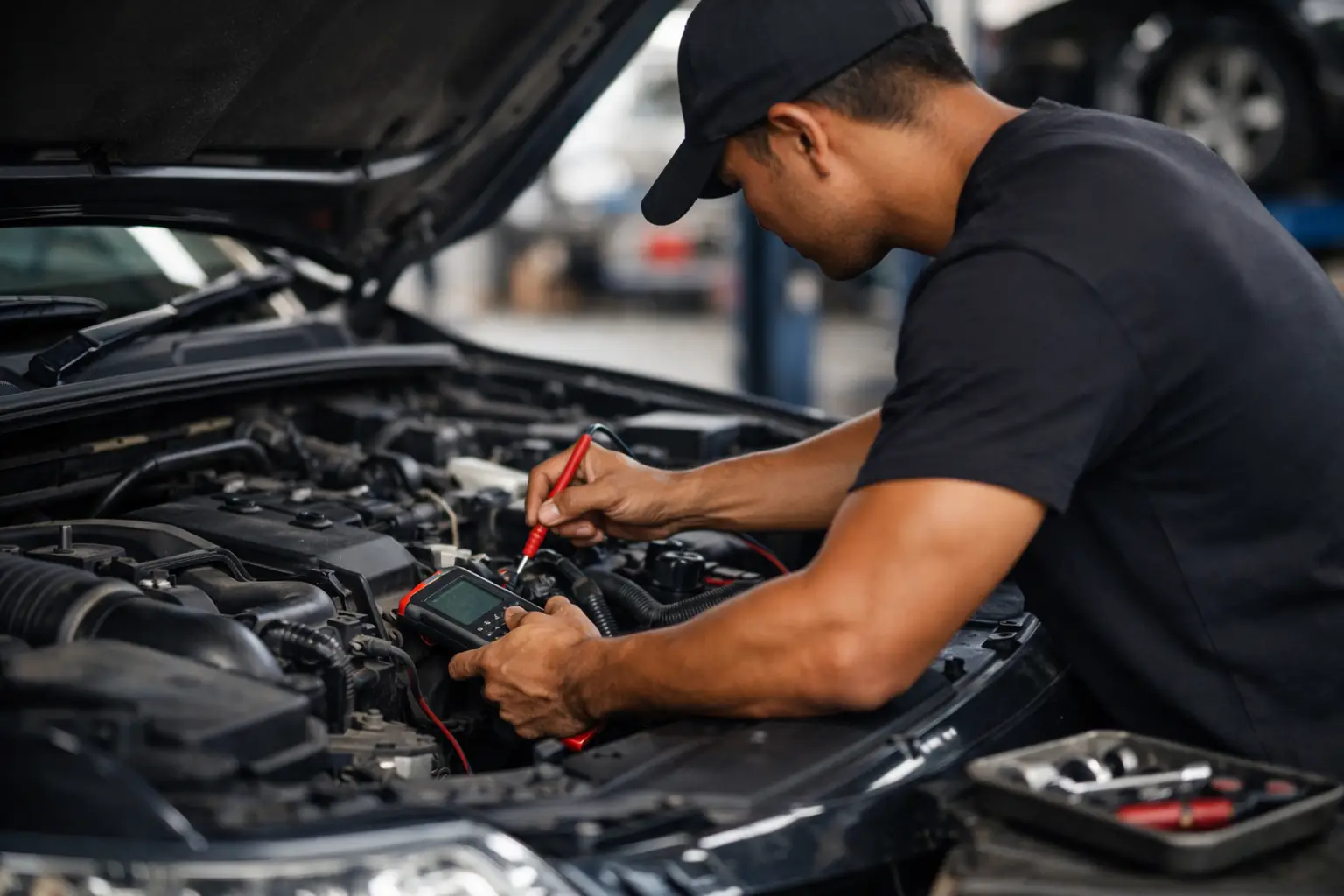
An experienced mobile auto electrician can assess your vehicle, confirm compatibility with the existing screen or head unit, position the cameras correctly and route wiring away from moving parts and safety equipment. This is especially useful for older cars without factory screens, work vehicles, 4WDs and vehicles that have already had accessories fitted.

Ray’s Auto Electrical provides mobile accessory installations across Sydney, so the work can be completed at your home or workplace where suitable. That means less time arranging a workshop visit and more confidence that the system is fitted for how you actually use the vehicle.

A practical choice for your vehicle

Before choosing, think about the situations that make you least comfortable behind the wheel. If it is merging into heavy traffic, driving at night or dealing with unpredictable road users, a dash cam is likely the priority. If it is backing out of a driveway, manoeuvring a work van or parking between tight lines, start with a reverse camera.

If you are searching “Auto Electrician near me”, ask whether the installer can hardwire dash cams, fit reverse cameras to your existing display and explain how the system will operate before work starts. Drivers searching “Auto electrician Blacktown” should also look for a mobile specialist who can inspect the vehicle and recommend a set-up that suits it, rather than selling a one-size-fits-all kit.

The right camera system should make every trip a little easier. Choose equipment that suits your vehicle, have it fitted properly, and keep the lens clean so it is ready when that tight car park or unexpected moment arrives.
Leave a Comment

Your email address will not be published. Required fields are marked *

Dash Cam vs Reverse Camera: Which Do You Need?

Dash Cam vs Reverse Camera: Which Do You Need?

A tight supermarket car park, a reversing ute, a child’s bike left behind the vehicle – these are the moments that make the dash cam vs reverse camera question more than an accessory choice. Both can make driving safer and less stressful, but they do very different jobs. Choosing the right one comes down to when you need visibility, what risks concern you, and how you use your vehicle each day.

For many Sydney drivers, the best answer is not one or the other. A dash cam and reverse camera work together, covering risks on the road and around the vehicle that mirrors alone cannot always handle.

Dash cam vs reverse camera: the key difference

A dash cam records what happens while you drive. It normally faces forward through the windscreen and captures footage of traffic, incidents, near misses and unexpected events. Some systems also include a rear-facing camera, cabin camera or parking mode.

A reverse camera shows you what is directly behind the vehicle when you select reverse. Its purpose is live visibility, not incident recording. The image appears on a compatible head unit, rear-view mirror monitor or a separate screen, helping you reverse with greater awareness.

Put simply, a dash cam gives you a record of events. A reverse camera gives you a better view while manoeuvring. They may look similar because both use a camera and screen, but one is primarily evidence and the other is primarily practical safety assistance.

When a dash cam is the better choice

A dash cam is a sensible addition for drivers who spend plenty of time on busy roads, commute through Sydney traffic or want an independent record if something goes wrong. Even a minor collision can become frustrating if drivers disagree about what happened. Clear footage can provide useful evidence for an insurer, police report or private discussion after an incident.

It can also be valuable when your car is parked on the street, at a station or on a work site. A dash cam with properly configured parking mode may record an impact or movement near the vehicle while you are away. This feature needs careful installation, however, because it must be wired to protect your battery from being drained.

Dash cams are particularly useful for tradespeople, rideshare drivers and parents of new drivers. A tradesperson may want a record of traffic incidents while travelling between jobs. A family may want extra reassurance when a learner driver is building experience. For anyone driving long distances or regularly using motorways, footage can be worth far more than the initial cost of the installation.

That said, a dash cam will not help you see a low bollard, shopping trolley or pet behind the rear bumper while reversing. It records what is in front of you, but it is not a replacement for a proper reversing aid.

What to look for in a dash cam

Image quality matters, especially at night or when number plates need to be read. A high-resolution camera, wide but not overly distorted field of view, reliable loop recording and a quality memory card are practical essentials. A rear camera is also worthwhile if you want coverage behind the vehicle while driving.

Professional hardwiring is often the better option than running a lead across the cabin to a power socket. The wiring can be concealed neatly, the camera can be placed correctly, and parking mode can be set up with low-voltage battery protection. This is especially important in modern vehicles with sensitive electrical systems and airbags around the windscreen pillars.

When a reverse camera makes more sense

If your main concern is reversing into a driveway, fitting into tight parking spaces or seeing behind a van, wagon or ute, a reverse camera is likely the more useful first upgrade. It gives an immediate view of an area that can be difficult to check from the driver’s seat.

Reverse cameras are helpful for families with young children, drivers towing trailers, and anyone who regularly parks in crowded Western Sydney shopping centres. They can also make a large vehicle feel easier to manage. Many camera systems include parking guidelines on the display, which can help you judge distance and direction.

A reverse camera should support your normal reversing checks, not replace them. You still need to use mirrors, turn your head where safe and move slowly. Camera lenses can get dirty in rain or dust, and a screen cannot always show fast-moving pedestrians approaching from the side.

For a vehicle that does not already have a suitable display, the installation may involve fitting a new head unit or a dedicated monitor. Factory-style cameras can often be fitted neatly near the number plate or tailgate handle, while more exposed vehicles may need a camera designed for tougher conditions.

Reversing cameras and trailers

A standard reverse camera is excellent for lining up with a trailer hitch, but it may not show enough of the trailer once connected. Drivers who tow regularly may benefit from a second camera aimed at the hitch or a trailer camera system. The right set-up depends on the vehicle, trailer length and whether you need the camera for occasional weekend towing or daily work.

Is fitting both worth it?

For many vehicle owners, yes. A reverse camera helps prevent slow-speed mishaps in car parks and driveways, while a dash cam gives you a record of incidents on the road. Their roles do not overlap as much as people expect.

Fitting both at the same time can also be practical if your vehicle needs a new head unit. A quality head unit may display the reverse camera automatically and make cable routing simpler. The dash cam can then be hardwired separately for a tidy, reliable result.

The trade-off is cost. If you are working to a budget, start with the system that solves your biggest day-to-day problem. Choose a reverse camera if parking or reversing is difficult. Choose a dash cam if you spend long hours in traffic, worry about disputed accidents or leave your vehicle in public parking often.

Why installation quality matters

The camera itself is only part of the job. Poor wiring, loose mounting, low-quality connectors or incorrect power connections can lead to intermittent faults, flat batteries and an untidy finish. A camera that falls out of position or records blurry footage when you need it is not much use.

An experienced mobile auto electrician can assess your vehicle, confirm compatibility with the existing screen or head unit, position the cameras correctly and route wiring away from moving parts and safety equipment. This is especially useful for older cars without factory screens, work vehicles, 4WDs and vehicles that have already had accessories fitted.

Ray’s Auto Electrical provides mobile accessory installations across Sydney, so the work can be completed at your home or workplace where suitable. That means less time arranging a workshop visit and more confidence that the system is fitted for how you actually use the vehicle.

A practical choice for your vehicle

Before choosing, think about the situations that make you least comfortable behind the wheel. If it is merging into heavy traffic, driving at night or dealing with unpredictable road users, a dash cam is likely the priority. If it is backing out of a driveway, manoeuvring a work van or parking between tight lines, start with a reverse camera.

If you are searching “Auto Electrician near me”, ask whether the installer can hardwire dash cams, fit reverse cameras to your existing display and explain how the system will operate before work starts. Drivers searching “Auto electrician Blacktown” should also look for a mobile specialist who can inspect the vehicle and recommend a set-up that suits it, rather than selling a one-size-fits-all kit.

The right camera system should make every trip a little easier. Choose equipment that suits your vehicle, have it fitted properly, and keep the lens clean so it is ready when that tight car park or unexpected moment arrives.

Leave a Comment

Your email address will not be published. Required fields are marked *

Scroll to Top