
A flat battery in the driveway, a car that will not start at work, or an air conditioner that suddenly stops on a hot afternoon can put your whole day on hold. When deciding on mobile repair vs towing service, the right answer comes down to one question: can the fault be diagnosed and repaired safely where the vehicle is sitting?
For many electrical problems, a qualified mobile auto electrician can come to you, test the system properly and get the vehicle going without the cost and disruption of a tow. For serious mechanical damage, accident damage or safety concerns, towing remains the sensible choice. Knowing the difference can save time, money and a lot of unnecessary stress.
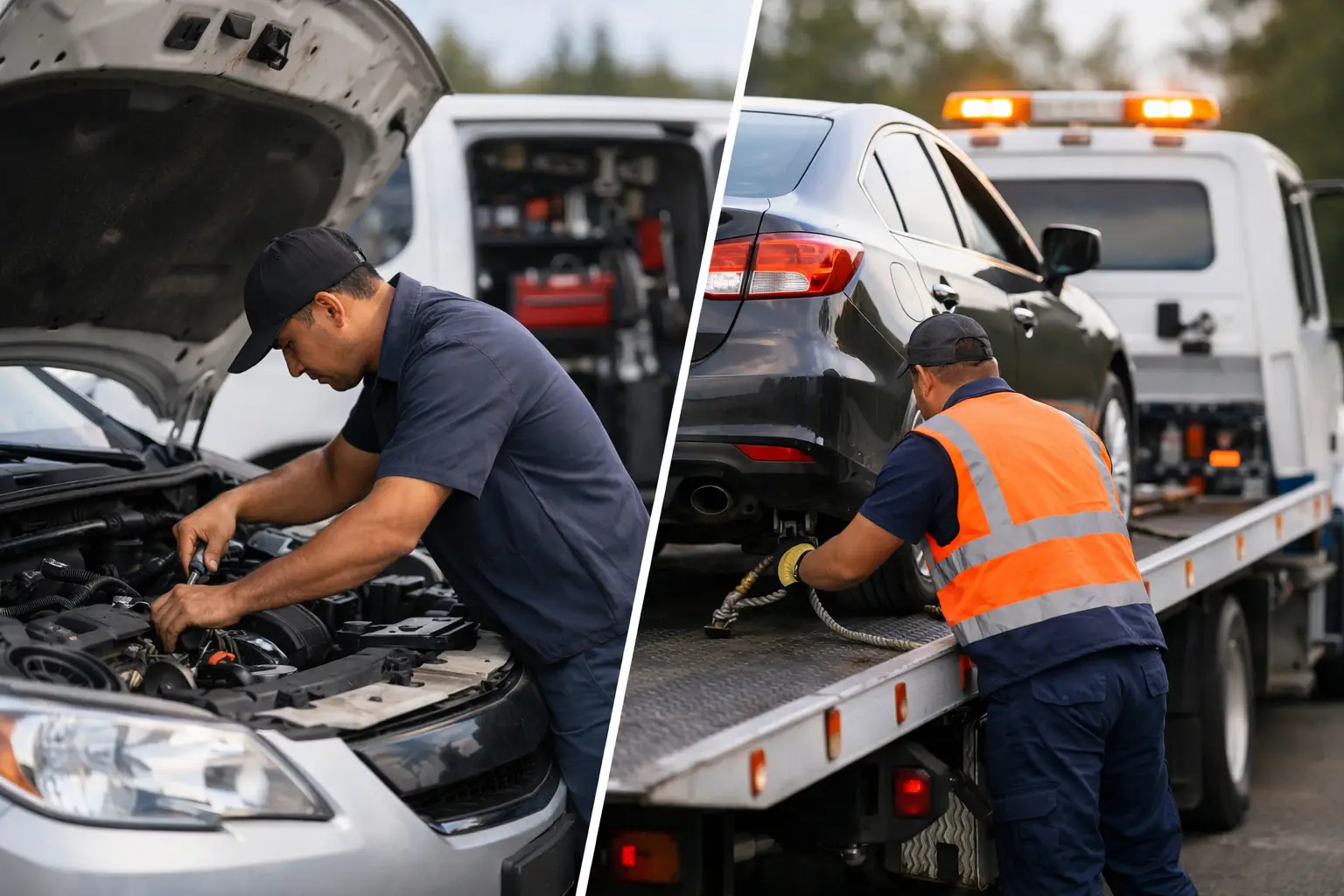
Mobile Repair vs Towing Service: The Main Difference
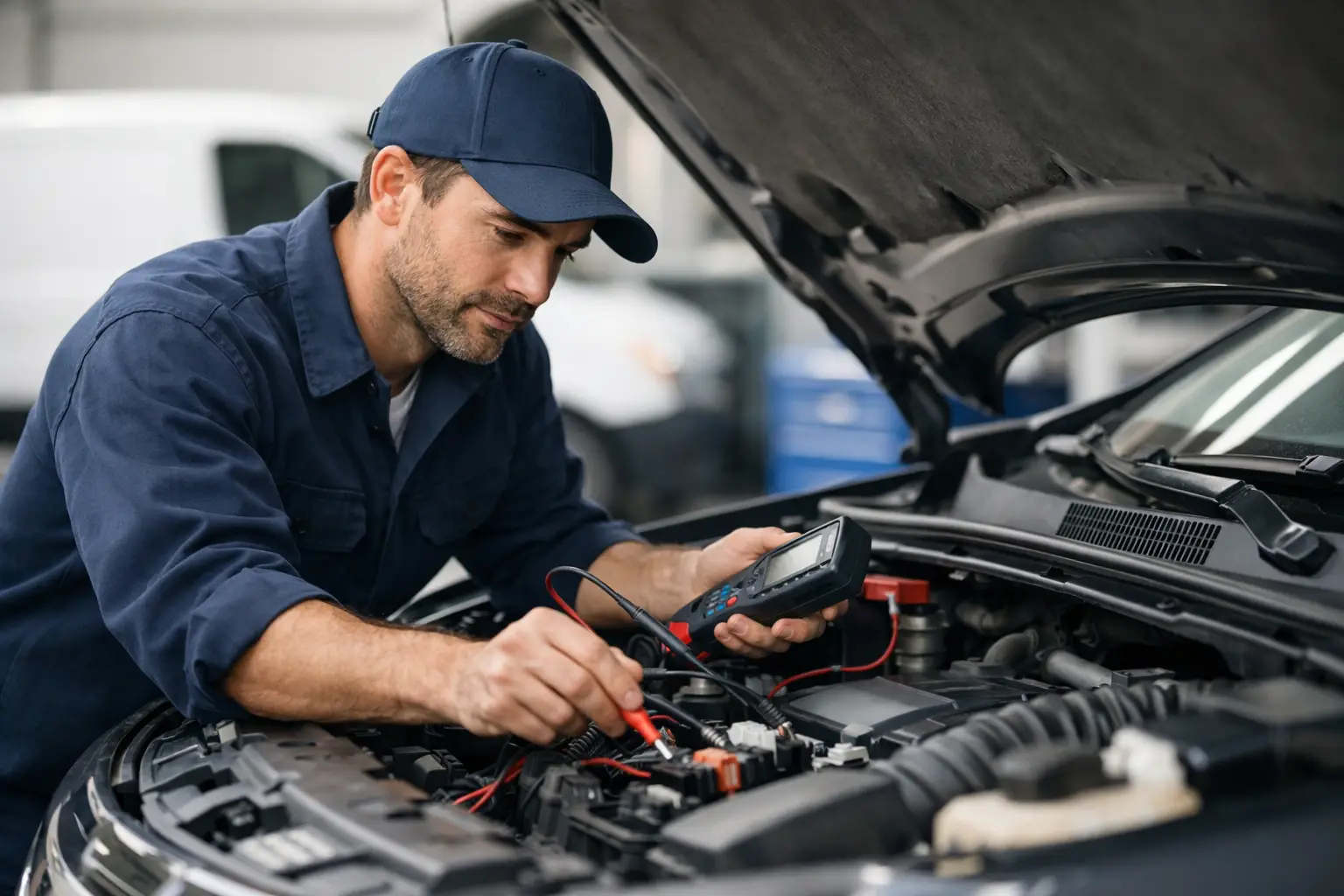
A mobile repair service brings the technician, diagnostic equipment and commonly required parts to your home, workplace or roadside location. It is particularly useful when the issue appears to involve the battery, alternator, starter circuit, wiring, lighting, air conditioning or an electrical accessory.
Towing moves the vehicle to a workshop or another safe location. It is the better option when the car cannot be repaired safely on site, needs a hoist, has major mechanical faults, or should not be driven because of damage or a safety risk.
Neither option is automatically better. A tow can be essential in the wrong circumstances, while booking one for a straightforward electrical fault can turn a manageable problem into a longer and more expensive day.
When Mobile Auto Electrical Repair Makes Sense
Mobile repair is often the practical first call when the vehicle is otherwise safe and the problem is electrical. A proper diagnosis matters here. A car that will not start is not always caused by a dead battery, and replacing parts without testing can waste your money.
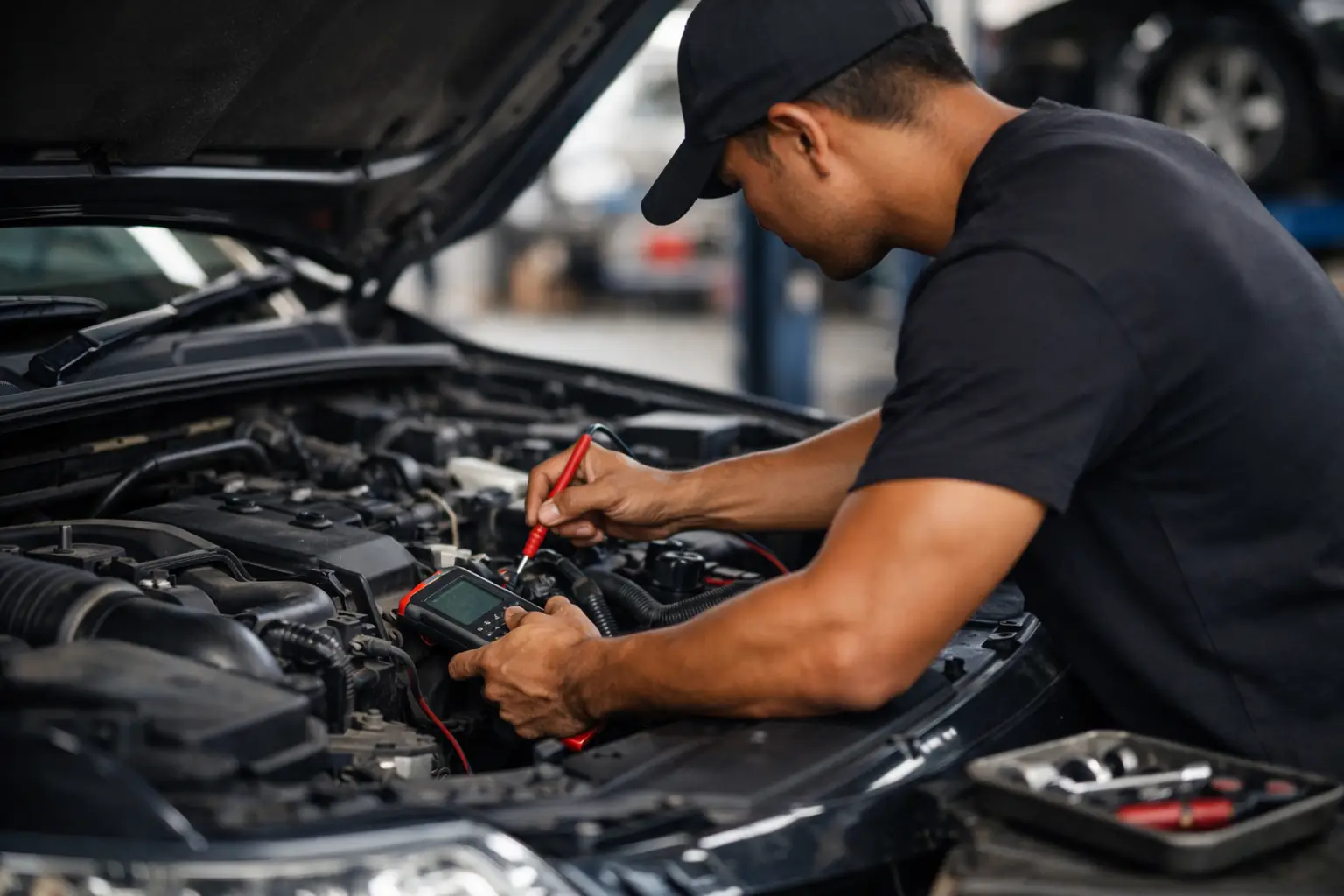
A mobile auto electrician can test battery condition, charging voltage, starter operation, cable connections and parasitic drain at the vehicle. This helps identify whether the issue is a worn battery, a failing alternator, corroded terminals, a faulty relay or another fault in the starting system.
On-site service is also a good fit for common faults such as headlights or indicators not working, blown fuses, trailer wiring problems, central locking issues, dash cam faults, UHF installations and aftermarket radio or sound system concerns. These jobs do not usually require the vehicle to be transported to a workshop. They require accurate testing and professional workmanship.
Air conditioning electrical faults can also be assessed on site. If the blower fan has stopped, the controls are unresponsive or the compressor is not engaging, a technician can inspect the relevant electrical components and advise on the repair required. Some air conditioning work may need specific equipment or further workshop attention, but diagnosis at your location can still prevent guesswork.
For Sydney commuters, families and trade customers, the biggest benefit is simple: your vehicle stays where it is. You do not need to arrange transport, wait around at a workshop, or lose more time than necessary from work and family commitments.
Situations that are usually suitable for a mobile visit
If your car is parked safely and the fault is limited to starting, charging, lighting, accessories or another electrical system, mobile repair is worth considering first. It is especially useful when the vehicle is at home, in a workplace car park or at a job site where access is safe.
A technician can also carry out pre-trip battery and alternator checks, replace a tested faulty battery, install accessories, and investigate recurring electrical problems before they leave you stranded. Addressing warning signs early is usually cheaper than waiting for a complete breakdown.
When a Towing Service Is the Safer Choice
There are times when the safest decision is not to repair the vehicle where it sits. If you have been in an accident, can smell fuel, see smoke, notice overheating, or have significant fluid leaking under the car, stop and arrange assistance. Do not try to drive it to see if the issue clears.
Towing is also appropriate when there is serious mechanical damage. A damaged wheel, broken suspension component, transmission failure, seized engine, major coolant loss or a vehicle that is unsafe to steer or brake needs workshop assessment. These faults are outside the scope of a roadside electrical repair and can make driving dangerous.
Location matters too. Even an electrical fault may require towing if the vehicle is stopped in a live traffic lane, on a narrow shoulder, in an unsafe area or somewhere with no safe room to work. Your safety, and the safety of other road users, comes first.
Some repairs need workshop facilities such as a hoist, specialised machinery or extended disassembly. A good technician will be upfront if the fault cannot be repaired properly on site. That is not a wasted visit. A clear diagnosis tells the workshop what needs attention and helps avoid unnecessary repairs.
Cost, Time and Convenience: What to Consider
Towing costs can vary based on distance, time of day, vehicle type and where the car needs to go. Once the vehicle reaches a workshop, you may also need to organise a lift home or arrange another way to get to work. If the workshop cannot inspect it immediately, the car may be off the road for longer than expected.
A mobile service can reduce those steps when the fault is repairable on site. You receive diagnosis and repair at the same location, and in many cases can return to your day sooner. It is a particularly sensible option for vehicles that have failed to start in a driveway or car park.
That said, choosing mobile repair simply because it sounds cheaper is not always the best approach. If a technician finds a serious issue that needs workshop equipment, towing may still be required. The value is in getting an informed answer early, rather than paying for parts that do not solve the actual problem.
Before booking help, explain the symptoms clearly. Mention whether the dash lights come on, whether the engine cranks, any warning messages, unusual smells, recent repairs, and whether the issue started suddenly or has been getting worse. Photos or a short video can be helpful when it is safe to take them.
A Quick Way to Decide What to Do
Start by checking whether the vehicle is in a safe place and whether there are signs of a serious mechanical or accident-related problem. If there are, arrange towing. If there are no safety concerns and the issue points to the electrical system, an on-site diagnostic visit is often the more convenient first step.
Do not keep trying to start the vehicle repeatedly. A weak battery may flatten completely, and repeated cranking can create further strain. Avoid jump-starting if the battery is visibly damaged, leaking or hot. If you are unsure, leave the vehicle off and speak with a qualified technician.
When searching online, terms such as “auto electrician near me” can help you find a local mobile specialist. Drivers in the western suburbs may also search “Auto electrician Blacktown” when they need prompt help close to home. The important part is choosing someone who can diagnose the fault, not just replace the most obvious part.
Get the Right Help Without the Runaround
Ray’s Auto Electrical provides mobile auto electrical support across Sydney for vehicle owners dealing with starting faults, charging issues, air conditioning problems and accessory installations. On-site testing can often establish whether a repair can be completed at your location or whether a tow and workshop repair is the safer next step.
If your vehicle is safe where it is, getting it checked before arranging a tow may save a major interruption to your day. If it is not safe to drive or work around, trust that instinct, keep clear of traffic and arrange towing first. The best choice is the one that gets you back on the road safely, with the real fault properly sorted.