
A blown fuse can be a simple fix. A fuse that keeps blowing, a melted fuse holder or a vehicle that suddenly loses key electrical functions is different. Car fuse box repair is about finding why the circuit failed in the first place, then repairing the cause safely – not simply fitting another fuse and hoping it holds.
Your fuse box protects wiring, components and your vehicle from excessive current. When it is doing its job, a fuse opens the circuit before heat can damage the wiring. If there is corrosion, water entry, loose terminals, aftermarket wiring problems or a short circuit, the fault needs proper diagnosis before more damage occurs.
Signs You May Need Car Fuse Box Repair
A single accessory that stops working can point to a blown fuse. For example, the radio, interior light, 12V socket or electric windows may stop working while the rest of the vehicle operates normally. Check the owner’s manual first, as it identifies the correct fuse box and fuse rating for each circuit.
More serious signs deserve prompt attention. These include a burning smell, heat around the fuse box, discoloured plastic, repeated blown fuses, flickering electrical accessories, intermittent starting, or several unrelated systems failing at once. Water on the carpet near the fuse box or visible green corrosion on terminals can also indicate an electrical issue that will not improve on its own.
Never ignore a fuse that repeatedly blows. Replacing it with a higher-rated fuse can allow too much current through the wiring and create a genuine fire risk. Likewise, do not bridge a fuse with wire, foil or any other object. The fuse is a safety device, not an inconvenience to bypass.
What Causes a Fuse Box Fault?
The fuse box itself is not always the source of the problem. It may be reacting to a fault elsewhere in the vehicle. A qualified auto electrician checks the complete circuit, including the fuse, relay, wiring, earth points and the component being supplied.
Common causes include damaged wiring rubbed through behind a dashboard or under a bonnet, moisture entering the cabin or engine bay, corroded terminals, a failed accessory, and poor connections from previous repairs or installations. Dash cams, trailer wiring, driving lights, sound systems and UHF equipment need to be wired and fused correctly. A loose connection can generate heat, while an incorrectly routed cable can rub through over time.
Battery or charging faults can sometimes produce confusing electrical symptoms too. A weak battery, poor battery terminal or alternator issue may cause warning lights, slow cranking and intermittent functions that appear to be fuse-related. Accurate testing prevents replacing parts that are not actually faulty.
Fuses, Relays and Wiring Are Different Things
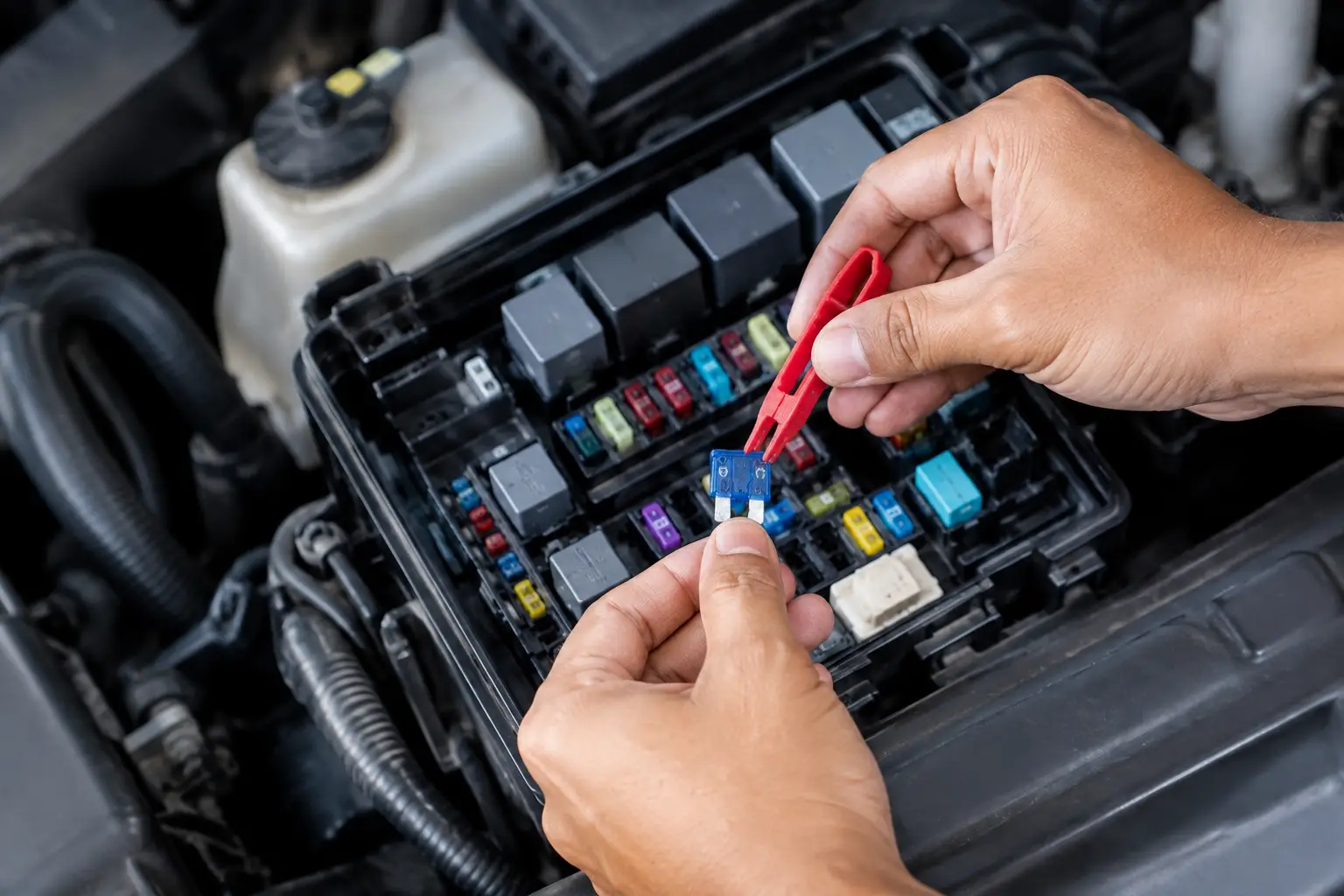
A fuse is designed to fail when current exceeds its rating. A relay is an electrically controlled switch used for higher-current circuits such as headlights, cooling fans or starter systems. The fuse box holds fuses and relays, and connects them to the vehicle’s wiring harness.
That distinction matters because replacing a fuse may restore power briefly, but it will not repair a damaged wire or failed relay. On some vehicles, heat damage to the fuse box terminals can cause a poor connection even when the fuse looks intact. The right repair may involve replacing a terminal, repairing wiring, fitting a relay, or replacing part of the fuse box assembly.
Safe Checks Before You Call an Auto Electrician
If there is no smoke, burning smell or visible heat, there are a few safe observations you can make. Confirm which electrical items have stopped working and whether the issue happens all the time or only when driving, using a particular accessory or starting the vehicle. This information helps narrow down the circuit involved.
You can check the fuse diagram in the owner’s manual and inspect the relevant fuse visually. Many fuses have a small metal link visible through the plastic. If it is broken, the fuse is likely blown. Use only the exact replacement rating specified by the vehicle manufacturer, and do not force a fuse into place.
Stop and arrange professional help if you see melted plastic, smell burning, find a wet fuse box, or the replacement fuse fails immediately. Switch off unnecessary electrical accessories and avoid driving if essential safety systems, headlights, brake lights, wipers or engine controls are affected.
How Professional Car Fuse Box Repair Works
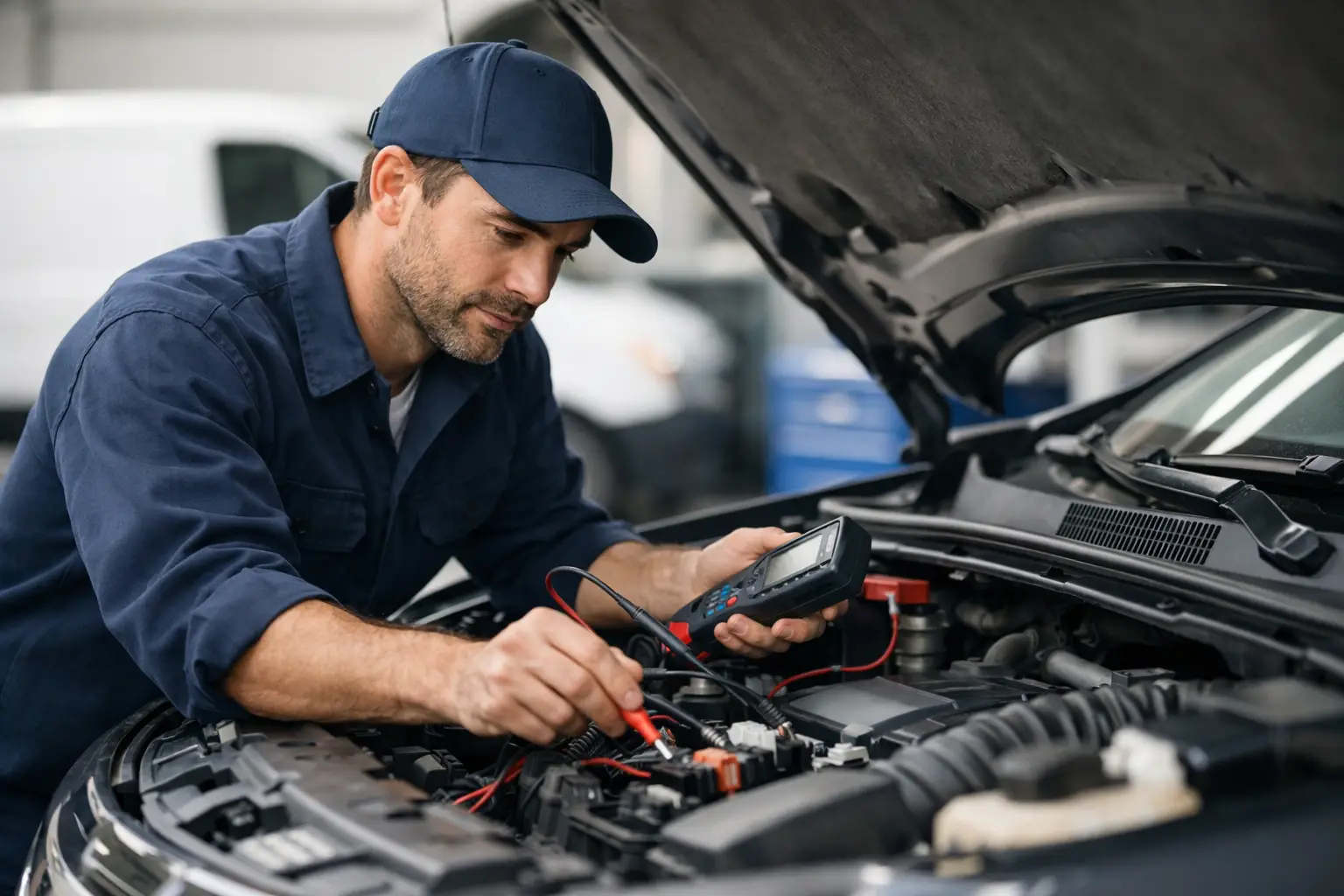
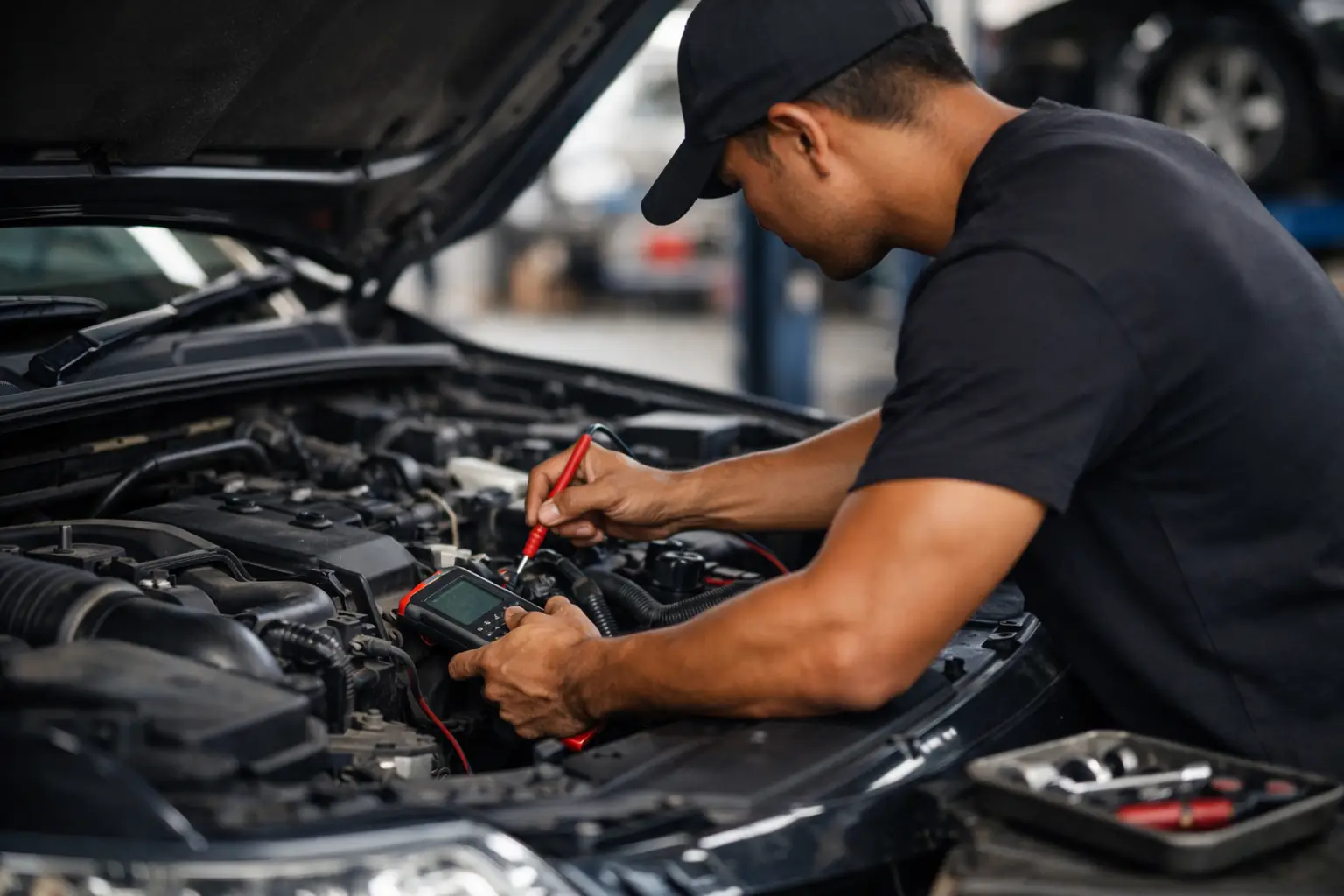
Proper diagnosis starts with testing, rather than guessing. An auto electrician identifies the affected circuit, checks the fuse rating and tests for voltage, continuity, voltage drop and excessive current draw. This process helps locate a short circuit, high-resistance connection or failed component without dismantling more of the vehicle than necessary.
If there is corrosion or water entry, the source of moisture must be addressed as well as the damaged terminals. Simply cleaning a corroded connection may offer a short-term improvement, but badly affected terminals or tracks can require replacement. The same applies to overheated fuse holders. Heat can weaken the connection and cause the fault to return.
For damaged wiring, the repair should be secure, insulated and routed away from sharp edges, moving parts and heat sources. If an accessory is causing trouble, it may need a dedicated fused supply, relay or better earth point. Good workmanship matters because electrical faults can be difficult to trace later if repairs are untidy or poorly protected.
A mobile service is particularly useful when the vehicle will not start, it is unsafe to drive, or an electrical issue is interrupting your workday. Instead of organising a tow or waiting at a workshop, diagnosis and many repairs can be completed at your home, workplace or roadside location across Sydney.
When the Fault Is Not Worth Delaying
Some electrical faults can wait for a booked inspection. A radio fuse blowing once, for instance, may be simple. But do not delay if the vehicle has a burning smell, smoke, a hot fuse box, repeated fuse failure, loss of lights at night, or wiring damage after a collision, rodent activity or water leak.
Trade vehicles and family cars also need quick attention when the fault affects starting, charging, indicators, brake lights or wipers. These systems affect safe and reliable travel, and the underlying issue can worsen with continued use.
If you are searching “Auto Electrician near me” because your vehicle has suddenly lost power to key electrical systems, provide the make, model, year and a clear description of what has happened. Let the technician know whether any recent accessory work, battery replacement, rain exposure or jump-start attempt occurred. People often type “Auto Electrician Blacktown” when they need fast local help, but the useful next step is choosing someone qualified to test the fault properly rather than relying on a quick fuse swap.
Ray’s Auto Electrical provides mobile diagnostics and repairs for vehicle electrical faults across Sydney, including the Western Suburbs. Whether the issue is a damaged fuse box terminal, a recurring blown fuse or wiring behind an accessory installation, a correct diagnosis protects your vehicle and saves time chasing the wrong repair.
A fuse is meant to protect your vehicle once. If it keeps demanding attention, treat that as your car asking for a proper electrical inspection before a small fault becomes a costly one.