

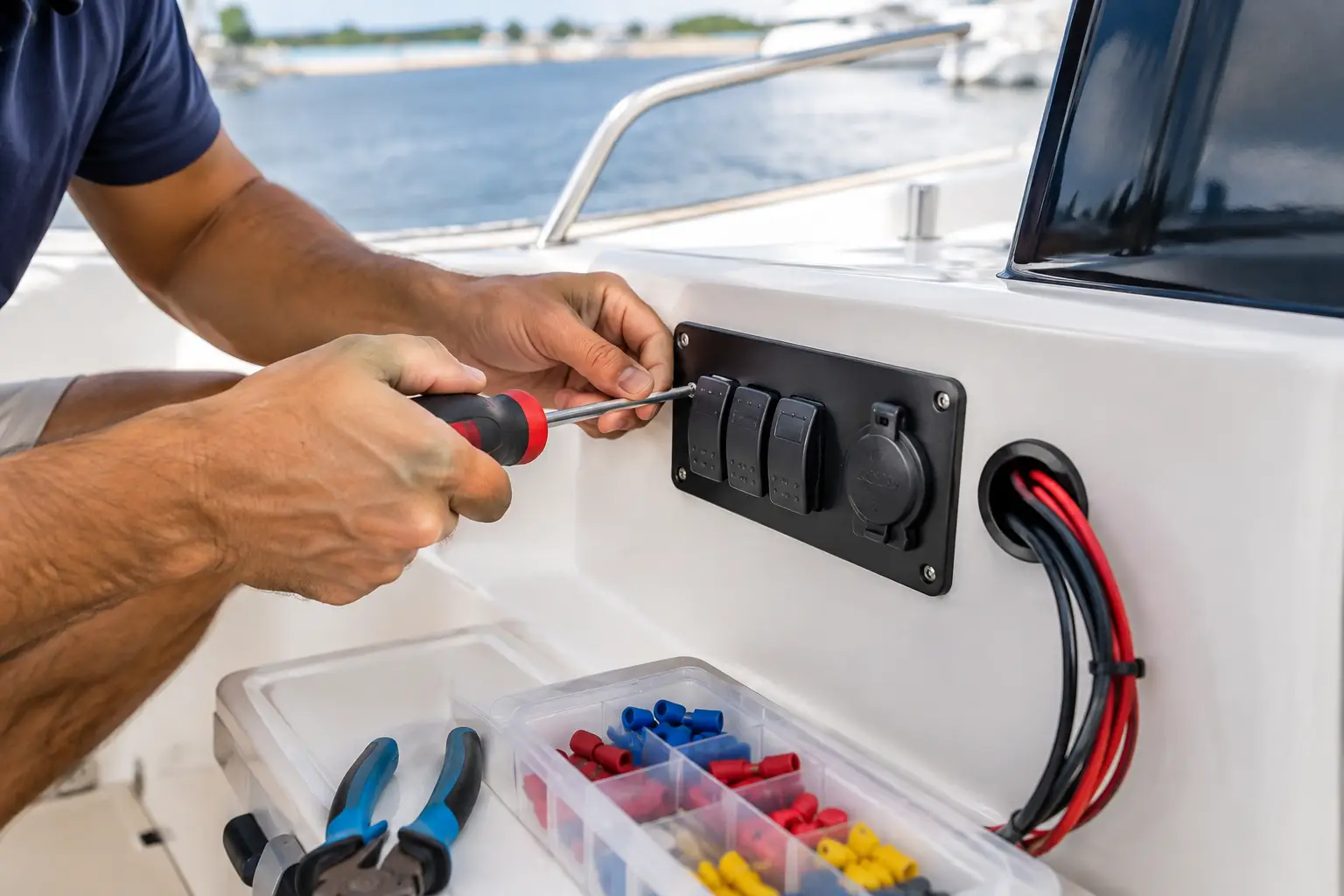
A boat electrical accessory installation service is about more than getting a new sounder, stereo or deck light working on the day. Out on the water, poor wiring can flatten a battery, cause intermittent faults, damage expensive equipment or create a genuine safety risk. The job needs to be planned for vibration, moisture, heat and salt – not treated like a quick vehicle accessory fitment.
Whether you are setting up a tinnie for fishing, improving a family cruiser or adding practical gear to a work boat, professional installation gives you a cleaner, safer result and less trouble when you are away from the ramp.
What a boat electrical accessory installation service should cover
Marine electrical work starts with understanding how the boat is used. A weekend fishing boat may need reliable power for a sounder, livewell pump, USB charging points and navigation lights. A larger vessel may need battery isolation, shore-power equipment, multiple charging sources, communication gear and more detailed circuit protection.
The right installer will assess the existing battery system, cable condition, available power and where equipment can be safely mounted. They should not simply connect another accessory to the closest wire they can find. Every added load affects battery capacity, charging performance and the way circuits should be protected.
A proper installation generally includes correctly rated marine cable, suitable fuses or circuit breakers, weather-resistant connections, secure cable routing and clear labelling. Cables need support so they do not rub through on sharp edges or shake loose in rough conditions. Connections should be protected from spray and corrosion, particularly in bilge areas, near the transom or under exposed consoles.
Neat work matters as well. A tidy installation makes future servicing much easier. If a navigation light stops working or a battery is not charging, labelled circuits and accessible connections can save hours of fault-finding.
Accessories that benefit from professional fitting
Many boat accessories appear simple until the wiring begins. Fish finders and chartplotters need a stable power supply and thoughtful transducer placement. VHF radios need suitable antenna installation and reliable connections. Stereo systems, amplifiers and speakers must be selected and wired to suit the marine environment rather than standard automotive use.
Other common additions include deck and cabin lights, bilge pumps, battery monitors, solar charging systems, dual-battery setups, electric anchor winches, USB outlets, switch panels and reversing cameras for boat trailers. Each accessory has different current demands, cable sizing and mounting requirements.
High-draw equipment deserves extra care. An anchor winch, for example, can draw significant current and needs correctly sized cable, sound battery connections and the right circuit protection. Undersized wiring may heat up, cause voltage drop or prevent the equipment from performing when it is needed.
Why marine wiring is different
A vehicle and a boat both use 12-volt systems, but that does not make the installation requirements identical. Water exposure changes the equation. Saltwater can quickly attack ordinary terminals and cable joins, while constant movement can place strain on wires that would be fine inside a car dashboard.
Voltage drop is another issue. Boats often have longer cable runs from the battery to the console, bow or stern. If cable is too small for the length and load, accessories may receive less voltage than they need. A sounder may reboot, lights may dim or a pump may run poorly even though the battery appears healthy.
Battery management also needs consideration. Starting a motor and running accessories are different jobs. On many boats, separating starting power from house loads helps protect the ability to start the engine after a day of fishing, music and electronics use. The best arrangement depends on the boat, motor, battery type and the equipment being installed.
There is no one-size-fits-all answer. A small aluminium boat with a single battery needs a different approach from a cabin cruiser with multiple batteries and charging sources. The important part is matching the system to real use, not adding gear until the wiring becomes difficult to manage.
Signs your boat wiring needs attention
Electrical faults tend to show up at inconvenient times. If electronics cut out when the motor starts, lights flicker, fuses repeatedly blow or batteries go flat faster than expected, it is worth having the system checked before the next trip.
Visible corrosion around terminals, loose wiring under the console, taped joins, damaged insulation and unlabelled switches are also warning signs. A temporary repair may get an accessory going again, but it does not address the reason the fault developed.
Do not ignore burning smells, hot cables or a battery that feels unusually warm while charging. Switch off power where safe to do so and arrange qualified assistance. Electrical heat can indicate excessive resistance, an incorrect fuse, cable damage or a connection that is failing.
Choosing the right installer for your boat
Ask whether the technician has experience with marine environments and the specific accessory you are fitting. They should be willing to explain where the equipment will be mounted, how it will be powered and what protection is being added. Clear answers are a good sign that the work is being planned rather than rushed.
It is also sensible to discuss the condition of existing wiring before adding new gear. Installing premium electronics onto old, corroded cable can create problems that look like an issue with the new product. Sometimes the best value is to repair or upgrade the supply side first.
Price matters, but the cheapest quote can become expensive if connections fail, holes are drilled in the wrong place or the battery system is overloaded. Look for tidy workmanship, suitable marine-rated materials and a straightforward explanation of the work proposed.
If you have been searching online for an “Auto Electrician near me” or “Auto electrician Blacktown”, remember that automotive electrical experience does not automatically mean marine expertise. For any boat work, confirm the provider is equipped and qualified for marine electrical installation, particularly where charging systems, bilge equipment or shore power are involved.
Plan the installation before buying everything
Before purchasing accessories, make a list of what you genuinely need on board and how often it will be used. This helps avoid buying equipment that does not suit the available space, battery capacity or intended purpose.
Think about visibility at the helm, access for maintenance, cable routes, waterproofing and whether accessories will interfere with fishing space, storage or safety equipment. A large display may look impressive, but it needs a secure location that remains easy to view without blocking sightlines.
It can also be more cost-effective to install related equipment together. If you are adding a switch panel, sounder, VHF radio and extra lighting, planning all cable runs at once usually creates a cleaner result than repeatedly pulling apart the console for separate jobs.
A reliable boat electrical system should feel uneventful. The lights come on when needed, electronics stay powered, batteries charge correctly and wiring stays protected from the conditions that make boating hard on equipment. Taking the time to have accessories installed properly means more time enjoying the water and less time tracing faults at the ramp.