
A dim headlight is easy to ignore until you are driving home in rain, facing glare from oncoming traffic or trying to spot a roo, cyclist or parked car on a poorly lit road. When comparing LED headlights vs halogen bulbs, the best choice is not always the brightest bulb on the shelf. It needs to suit your vehicle’s headlight housing, electrical system and legal requirements.
For many Sydney drivers, halogen bulbs remain a practical and affordable replacement. LEDs can provide a sharper, whiter light and a much longer service life, but only when the correct parts are fitted properly. Here is what to consider before changing your headlights.
LED headlights vs halogen bulbs: the main difference
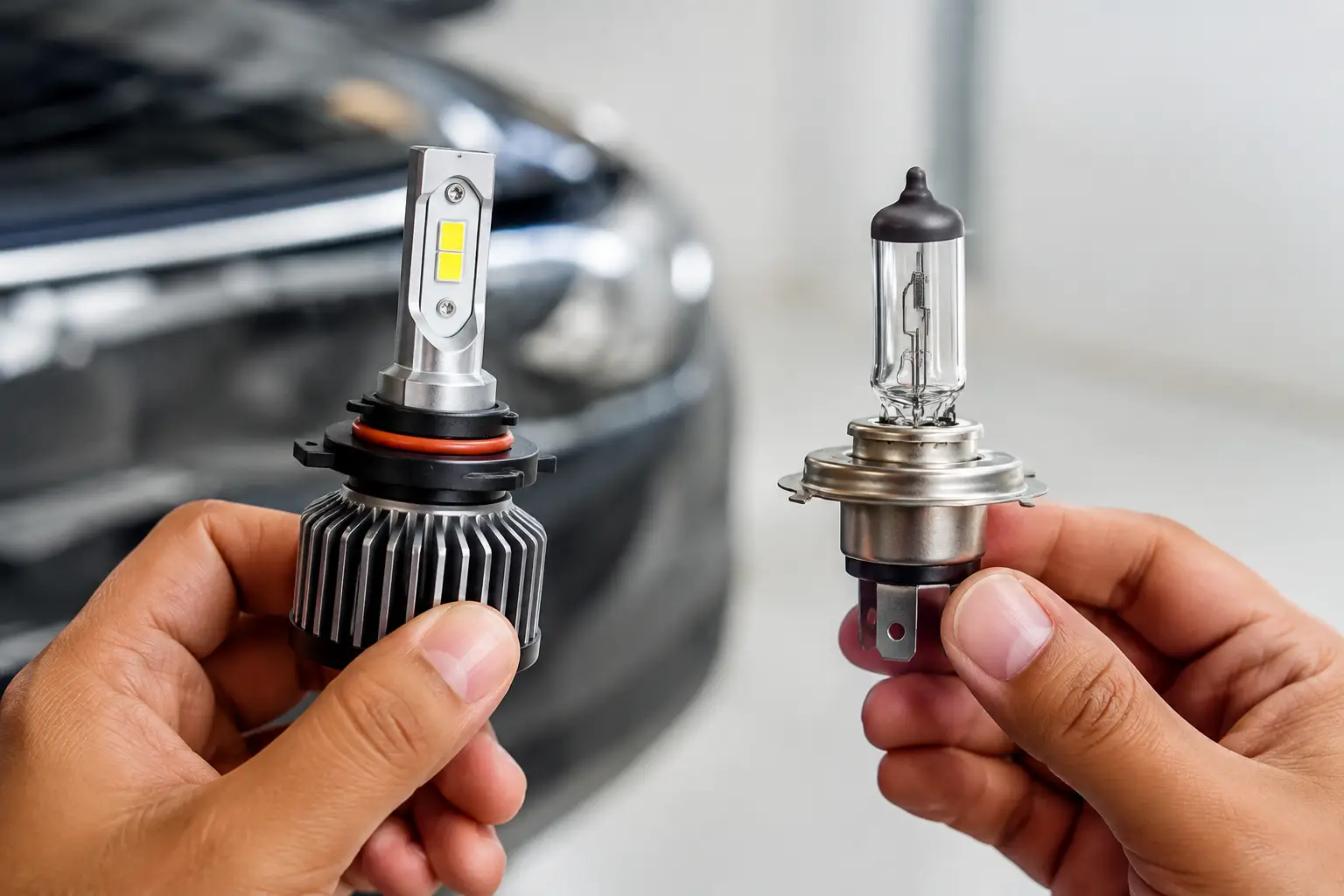
Halogen headlights use a tungsten filament inside a gas-filled globe. When power runs through the filament, it heats up and produces light. This is established technology used in many older and current vehicles because it is simple, inexpensive and easy to replace.
LED headlights use light-emitting diodes rather than a heated filament. They consume less power for the amount of light they produce and typically create a whiter light. Because there is no filament to burn out in the same way, a quality LED unit can last significantly longer than a halogen globe.
That sounds like an easy win for LEDs, but the bulb itself is only one part of the system. Your reflector or projector housing controls where the light goes. A poorly matched LED conversion can scatter light, reduce useful distance vision and dazzle other motorists, even if it looks very bright when viewed from the front.
Brightness is about beam pattern, not just colour
LEDs usually produce a cool white light, while halogens tend to look warmer and more yellow. A white light can make road signs, line markings and objects at the edge of the road appear clearer. It can also give a newer look to an older vehicle.
However, colour and advertised lumens do not tell the full story. What matters most is the beam pattern on the road. A good headlight should throw light evenly ahead, with a controlled cut-off that does not shine into the eyes of oncoming drivers.
Halogen globes are designed around the position of the filament. In a headlight housing made for halogens, a standard quality halogen bulb often gives the most predictable beam pattern. Some LED replacement bulbs place their diodes close to the original filament position and work better than others, but results vary between vehicles.
If your current headlights are weak, the problem may not be the globes. Cloudy lenses, a poor earth, voltage drop in wiring, a failing alternator or incorrect headlight alignment can all reduce light output. Replacing bulbs without checking these issues can waste money and leave you with the same poor visibility.
Lifespan and running costs
Halogen bulbs are cheap to buy and readily available. They are a sensible option if you need a quick replacement or your vehicle uses a conventional halogen housing. Their trade-off is lifespan. Depending on use and bulb type, halogens may need replacing every year or two, sometimes sooner.
LEDs generally last much longer and draw less current. This can be useful for vehicles that do plenty of night driving, work vehicles with multiple accessories, or drivers who want fewer bulb changes over time. The upfront cost is higher, and very cheap LED kits often do not last as promised. Heat control, fan quality, wiring connections and moisture resistance make a real difference.
A quality LED system can be good value over the life of the vehicle. A low-cost kit that flickers, overheats or fails after a few months is not.
Heat and fitting space matter
Halogen globes create considerable heat at the front of the bulb. This is normal, but it is one reason you should avoid touching the glass during installation. Oil from fingers can create hot spots and shorten the globe’s life.
LEDs create less heat in the light source itself, but they still need to move heat away from their electronics. Many LED bulbs use a fan or heat sink at the rear. In some vehicles, there may not be enough room behind the headlight dust cover for this hardware. If the cover cannot be refitted correctly, moisture and dust can enter the housing.
Some vehicles also show a warning light or flickering after an LED conversion because the system detects the lower power draw. A suitable load module or CAN bus-compatible LED may be required, but it should be selected and fitted correctly. Adding resistors without understanding the circuit can create unnecessary heat and electrical problems.
Are LED headlight conversions legal in NSW?
This is where it pays to be careful. Headlights must meet Australian Design Rules and roadworthiness requirements, and they must not cause glare for other road users. Simply fitting an LED globe into a housing designed for a halogen bulb does not automatically make it compliant for road use.
The legality of an upgrade depends on the vehicle, the headlight assembly, the bulb and relevant NSW requirements. Some complete LED headlight assemblies are designed, tested and approved for a specific vehicle. These are different from generic LED replacement bulbs fitted into an existing halogen reflector.
Before buying a kit, check whether it is approved for your vehicle and intended use. If you are unsure, have the lights inspected by a qualified auto electrician. Correct beam aim is essential after any headlight work, whether you choose halogen or LED.
When halogen bulbs are the better choice
Halogen bulbs are often the right answer when you want a reliable, low-cost replacement with no compatibility surprises. They work well in standard reflector housings, are easy to source and generally maintain the beam pattern the vehicle was designed to produce.
They are also useful when one globe has failed unexpectedly and you need to get back on the road promptly. It is usually wise to replace headlights in pairs, as the second globe may be close to failing and matching bulbs keep the light output and colour consistent.
Choose reputable globes rather than the cheapest option. High-performance halogens can offer improved light output, though they may have a shorter life than standard long-life versions.
When LED headlights make sense
LEDs are worth considering when your vehicle has compatible housings or you are replacing the complete headlight assembly with a compliant LED unit. They suit drivers who regularly travel at night, use country roads, or want the longer lifespan and lower current draw that quality LEDs can provide.
They can also be a practical upgrade for some utes, vans and fleet vehicles that spend long hours on the road. The key is professional selection and installation, not simply choosing the highest advertised brightness.
For extra off-road or work lighting, purpose-built driving lights, work lights or light bars may be a better option than trying to force more output from the main headlights. These accessories must also be mounted, wired and switched correctly.
A quick check before replacing your headlights
Before purchasing new bulbs, inspect the lenses for yellowing or haze and check whether both headlights are equally dim. If one side is noticeably weaker, there may be a bulb issue, wiring fault or poor connection. If both are weak, consider lens condition, charging voltage and headlight alignment.
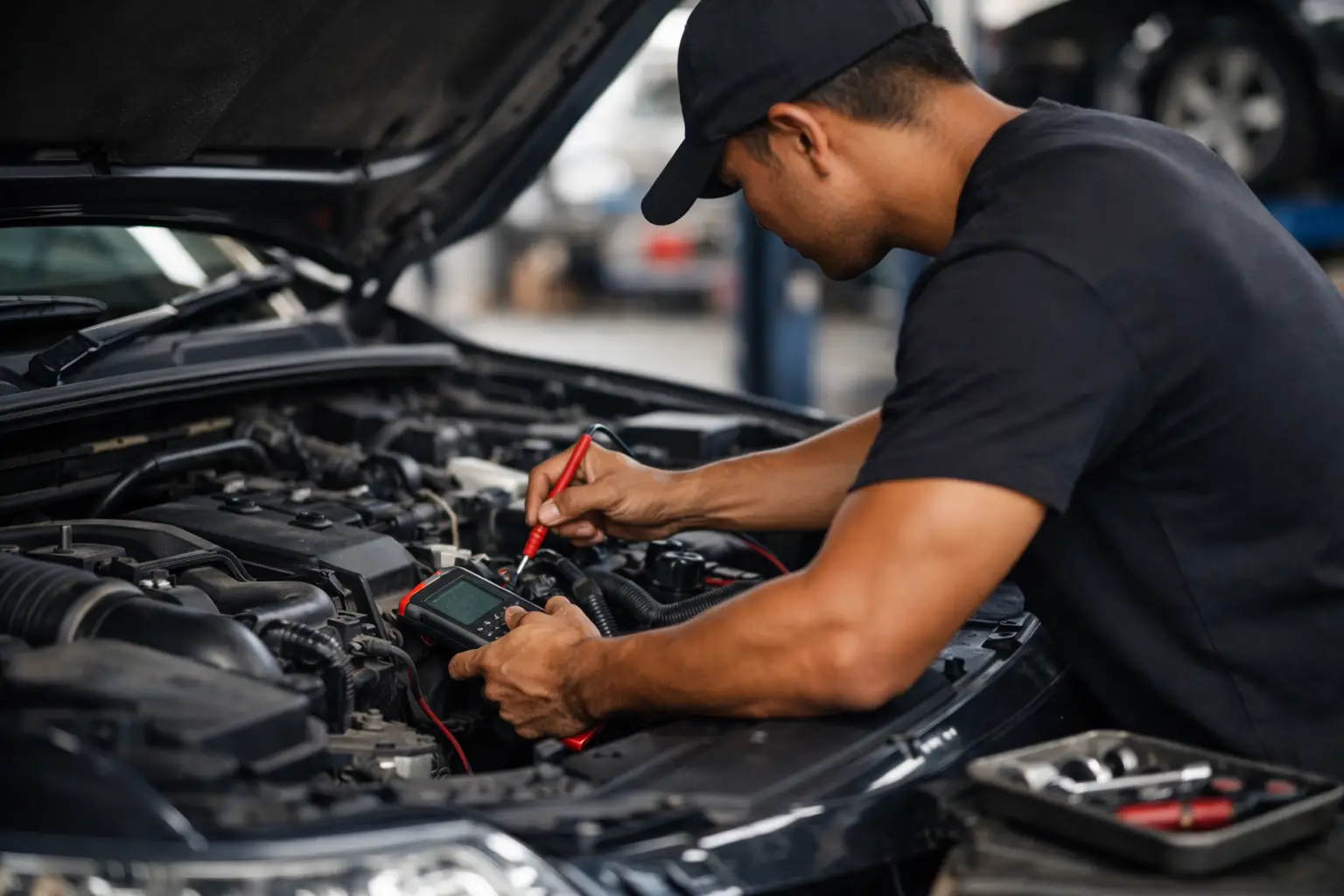
A mobile auto electrician can test the circuit at your location and identify whether you need bulbs, a repair or a proper lighting upgrade. This is particularly helpful when you rely on your car for work or family travel and cannot afford multiple trips to a workshop.
If you have searched for “Auto Electrician near me” or even “Auto electrician Blacktown”, look for someone who can test the full lighting system rather than only replacing a globe. Ray’s Auto Electrical can diagnose headlight faults and fit suitable lighting solutions across Sydney.
The right headlight choice is the one that gives you a clear, controlled view of the road without creating problems for other drivers. Start with the condition of your existing system, choose compliant quality parts, and make sure the beam is aimed properly before your next night drive.