
A car that will not start in the driveway, headlights that suddenly dim on the way home, or air conditioning that stops cooling on a hot Sydney afternoon can throw the whole day off. Auto electrics cover the systems that make your vehicle start, charge, light up, communicate and stay comfortable. When something goes wrong, the cause is not always obvious – and guessing can lead to unnecessary parts and extra expense.
For most drivers, the priority is simple: find the fault, fix it properly and get back on the road without losing half a day at a workshop. That is where accurate testing from an experienced mobile auto electrician makes a real difference.
What Auto Electrics Covers in Your Vehicle
Modern vehicles rely on far more than a battery and a few wires. The electrical system includes the battery, alternator, starter motor, fuses, wiring, switches, lighting, sensors and control modules. It also supports practical features such as power windows, central locking, reverse cameras, radios and air conditioning controls.
Because these systems work together, one symptom can have several possible causes. A flat battery may be at the end of its life, but it could also be caused by a charging fault, a poor connection or an electrical draw that continues after the vehicle is switched off. Replacing the battery without checking the system may only solve the problem for a short time.
A proper diagnostic process looks beyond the obvious. It identifies whether the fault is in the component itself, the wiring, a connection or the charging system. That approach saves time and helps avoid paying for work your vehicle does not need.
Common Auto Electrics Warning Signs
Electrical faults rarely arrive at a convenient time. Many begin as small changes that are easy to put off, especially when the car is still driving normally. Paying attention early can prevent a roadside breakdown or a vehicle that will not start before work, school drop-off or an important appointment.
Slow starting or repeated flat batteries
If the engine cranks slowly, clicks when you turn the key, or needs a jump-start more than once, the battery should be tested. Batteries do wear out, particularly in extreme heat, but a weak alternator or a poor battery terminal can create the same symptom.
Corrosion around battery terminals, loose clamps and damaged cables can interrupt the power needed to start the vehicle. These issues are often straightforward to repair once they have been diagnosed correctly.
Battery or engine warning lights
A battery warning light does not automatically mean the battery is faulty. It commonly indicates that the charging system is not operating as it should. Continuing to drive may drain the battery until the engine stops, leaving you stranded.
Other dashboard warnings can also relate to electrical or sensor faults. A diagnostic check is the sensible next step, rather than clearing the warning and hoping it does not return.
Dimming, flickering or failed lights
Headlights that change brightness with engine speed, interior lights that flicker, or blown globes that keep recurring can point to a charging or wiring issue. Lights are a safety item, particularly when driving at night or in wet weather, so they should not be ignored.
A mobile auto electrician can test the relevant circuits, connections and charging voltage to find the cause. Sometimes it is a simple globe or fuse. Other times, the issue sits deeper in the wiring or alternator system.
Air conditioning that is not doing its job
Vehicle air conditioning is not only about comfort. In summer, it helps drivers remain alert, and demisting functions support clear visibility in colder or wet conditions. If your system blows warm air, works intermittently, makes unusual noises or has weak airflow, it needs attention.
Air conditioning faults can involve electrical controls, switches, fans, compressors or refrigerant-related issues. The right repair depends on the diagnosis. Adding refrigerant without identifying a leak, for example, may offer only temporary relief.
Why Accurate Diagnosis Matters
Auto electrical problems can be frustrating because the visible symptom is not always the real fault. A car radio that cuts out may be caused by the unit, but it could also be a wiring connection, fuse issue or voltage problem. A starter motor may appear faulty when the battery cable is damaged or the battery is not being charged properly.
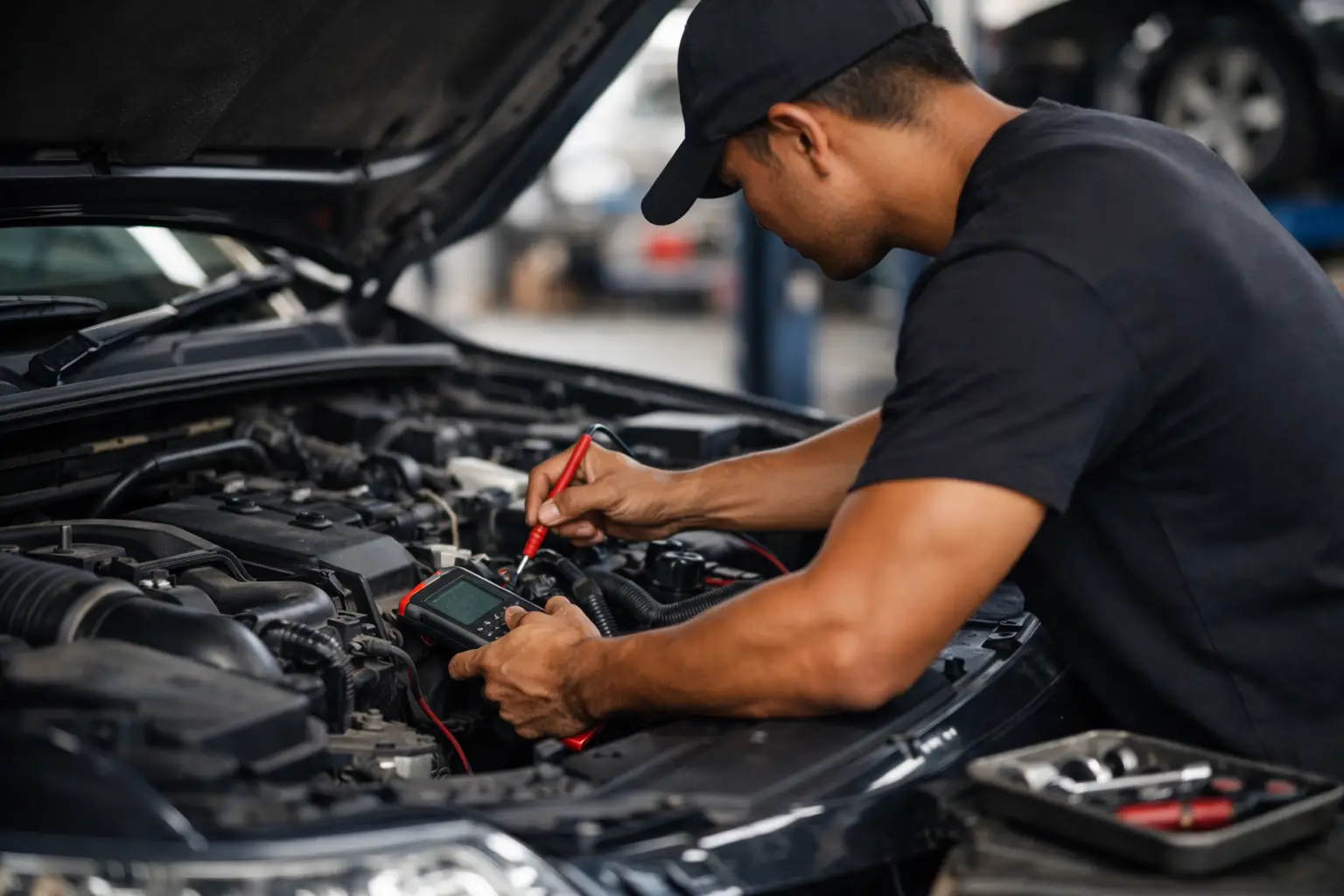
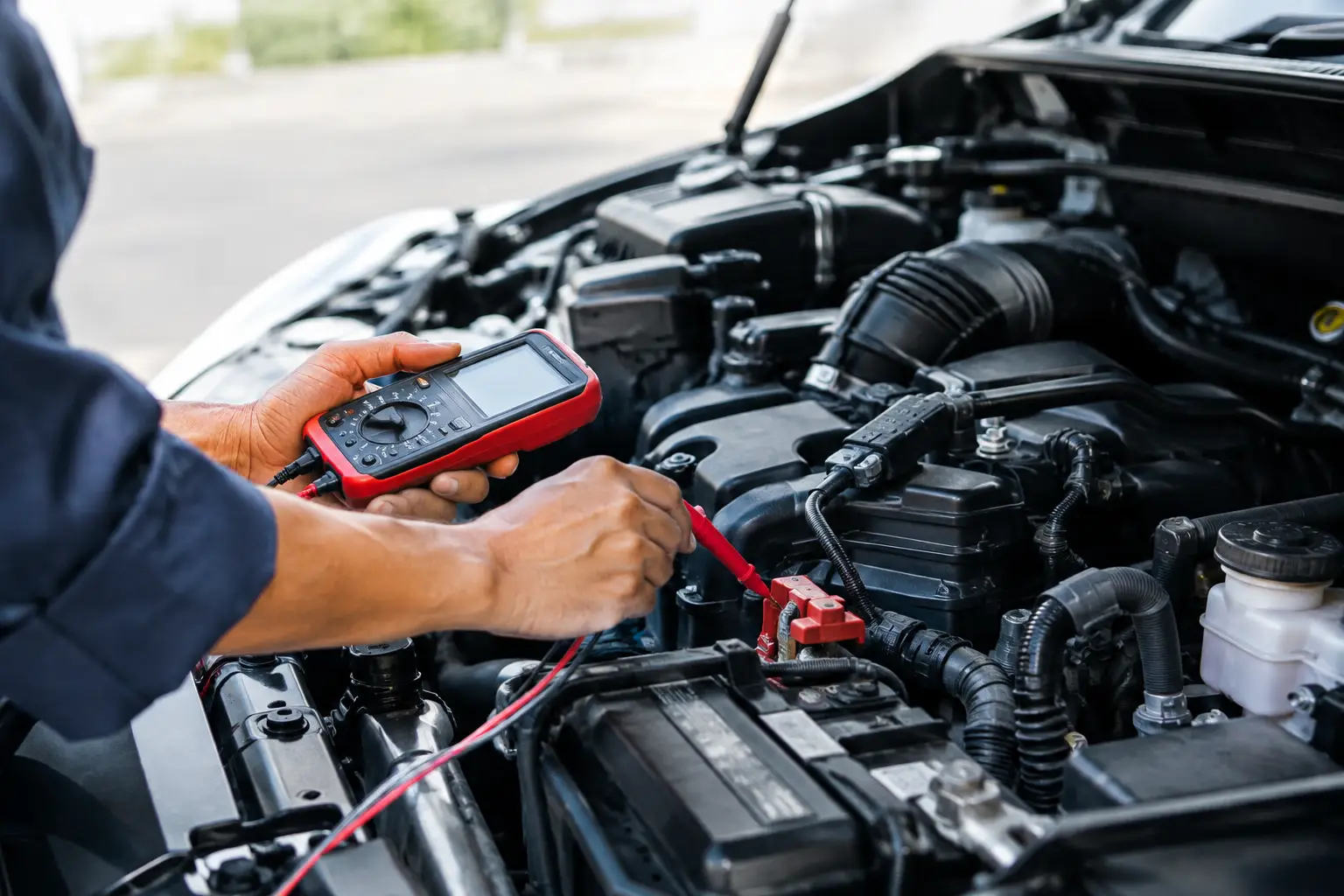
Testing is the difference between a repair and a guess. A professional auto electrician uses suitable diagnostic equipment and practical experience to check voltage, current, battery condition, charging output and circuit integrity. The goal is to explain the problem clearly and recommend the most sensible repair.
There are trade-offs. An older vehicle with widespread wiring damage may need a more involved repair than a newer vehicle with one failed sensor or connector. In some cases, replacement is more reliable and cost-effective than repairing a worn component. In others, a small connection repair can restore the system without replacing major parts.
The Convenience of a Mobile Auto Electrician
Taking a vehicle to a workshop is not always practical. If the car will not start, you may need a tow. If it is a work ute, time off the road affects your job. For families and commuters, arranging transport while the vehicle is being repaired can be a hassle in itself.
A mobile service brings diagnostics and many repairs to your home, workplace or roadside location. It is particularly useful for battery failures, starting faults, alternator checks, lighting issues and accessory installations. You can have the vehicle assessed where it sits, rather than trying to get it to a workshop first.
Availability and repair scope will depend on the issue, vehicle type and parts required. Some complex faults may require further work or specialist equipment. Even then, an on-site diagnosis gives you a clearer picture of what is wrong and what needs to happen next.
For drivers searching online for an “Auto Electrician near me”, the value is not just proximity. It is finding someone who can respond, test the fault properly and provide straightforward advice. Local searches such as “Auto electrician Blacktown” are often made when a vehicle problem cannot wait until next week.
Battery, Alternator and Starter Problems
These three components are closely connected, yet each has a different role. The battery stores electrical power and provides the initial power to start the engine. The starter motor turns the engine over. Once the engine is running, the alternator charges the battery and powers electrical systems.
When one part begins to fail, it can affect the others. A failing alternator can leave a healthy battery flat. A worn battery can place extra strain on the starting system. A starter issue may produce a click or no response, even when the lights and radio still work.
Testing these components together provides a more reliable answer than replacing one part at a time. If replacement is needed, the correct battery specification and a quality installation matter, especially in vehicles with start-stop technology or higher electrical demands.
Accessory Installations Need More Than a Quick Connection
Dash cams, UHF systems, radios, speakers, reverse cameras and additional lighting can make a vehicle safer, more useful and more enjoyable. But accessory installation should be carried out with care. Poor wiring can create battery drain, blown fuses, interference, unreliable operation or damage to vehicle trims and electrical circuits.
A professional installation considers where power is taken from, whether the circuit is protected, how wiring is routed and how the accessory will operate when the vehicle is off. For example, a dash cam hardwired for parking mode needs to be configured so it does not leave you with a flat battery.
This is especially relevant for trade vehicles and family cars that rely on accessories every day. Clean, secure installation helps the equipment perform as intended and keeps the vehicle tidy.
Simple Steps That Can Prevent Electrical Trouble
You cannot prevent every electrical fault, but regular attention can reduce the chance of being caught out. Keep battery terminals clean and secure, and have an ageing battery tested before it fails. If warning lights appear or starting changes, arrange a check rather than waiting for a complete breakdown.
Avoid fitting electrical accessories with loose wiring or unsuitable connections. If your air conditioning is losing performance, have it inspected before the hottest part of summer. Small problems are usually easier to deal with before they affect other systems.
When your vehicle gives you an electrical warning, treat it as useful information rather than an inconvenience. A prompt diagnosis at your location can turn a stressful interruption into a practical repair and help keep your day moving.