
A lightbar can make an early start, a late trip home or a run through dark country roads far easier on the eyes. But LED lightbar reviews can be confusing when one product claims huge output numbers and another costs twice as much for specifications that look similar. The difference is rarely just the number printed on the box.
For most drivers, the right lightbar is the one that throws useful light where it is needed, survives rough weather and vibration, and is installed properly without causing electrical faults. Here is what to look for before spending money on one for your 4WD, ute, work vehicle or daily driver.
LED Lightbar Reviews: Look Beyond the Lumens
Lumens are often the first figure people compare. While they can be useful, they do not tell the whole story. Some advertised figures refer to theoretical output rather than the usable light delivered onto the road. A high number can look impressive, but it does not guarantee better visibility.
A better question is how well the lightbar projects light at practical driving distances. A quality unit produces a clean, controlled beam with enough reach to identify hazards well ahead, without wasting light into trees, signs or the sky. Poor beam control can create glare, make reflective road signs uncomfortable to look at and leave dark patches where you need light most.
Pay attention to reviews that describe real use in rain, dust, open roads and uneven tracks. Photos can help, but camera settings can make nearly any lightbar appear brighter than it feels from behind the wheel. Reviews with clear details about beam distance, spread and fitting quality are generally more useful than a simple statement that a lightbar is “very bright”.
Choose a Beam Pattern for Your Driving
The best beam pattern depends on where and how you drive. There is no single lightbar that suits every vehicle or trip.
A spot beam is designed for distance. It suits drivers travelling regularly on open country roads, where seeing wildlife and obstacles early matters. The trade-off is a narrower field of view close to the vehicle.
A flood beam spreads light across a wider area. It can be useful around campsites, worksites and slow off-road driving, but it does not provide the same long-range visibility as a spot beam. A combination beam blends both styles and is often a sensible choice for weekend 4WD use or mixed driving conditions.
For many Sydney drivers, a compact combination lightbar is more practical than the biggest option available. If the vehicle only occasionally travels beyond built-up areas, spending heavily on extreme distance may not deliver much value. On the other hand, a tradesperson working before sunrise or travelling to regional jobs may benefit from stronger forward reach and a more durable housing.
Size and mounting position matter
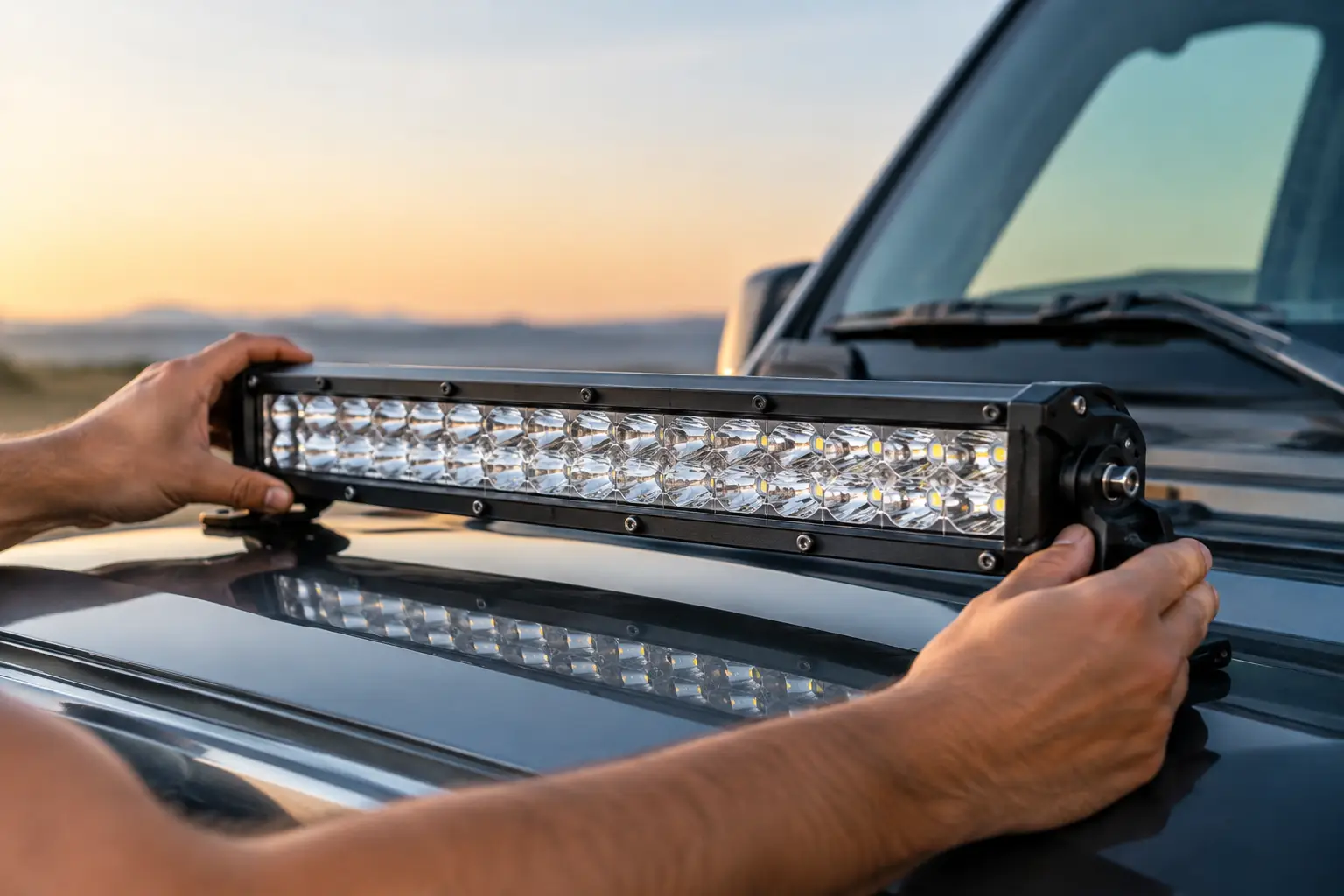
A longer lightbar does not always mean better lighting. It must fit securely and sit in a position that does not restrict airflow, interfere with sensors or create unnecessary wind noise. On many modern vehicles, the grille, number plate area or a suitable bullbar mounting point may be more appropriate than mounting high on the roof.
Roof-mounted bars can throw plenty of light, but they may create bonnet glare, particularly in dust, fog or rain. Lower-mounted lights can reduce that reflection and provide a more comfortable view of the road. The right position depends on the vehicle, the bar and what other accessories are already fitted.
Build Quality Is What You Notice Later
The real test of an LED lightbar is often six months after installation. Heat, vibration, water crossings, heavy rain, road grime and corrugations can quickly expose poor-quality seals, brackets and wiring.
Look for a solid aluminium housing, a properly sealed lens and a realistic water and dust protection rating. A stated IP rating is helpful, but reviews should also mention whether the bar has held up through wet weather and regular washing. Condensation inside the lens, loose mounts and faded lenses are warning signs.
The mounting brackets deserve just as much attention as the light itself. Thin brackets can shift over time, causing the beam to point too high, too low or off to one side. Stainless hardware and firm mounting points reduce the chance of rattles and repeated adjustment.
Heat management matters too. LEDs perform best when their heat can be drawn away effectively. A well-designed housing with adequate cooling fins helps maintain output and extends the life of the components. An inexpensive bar may work well at first but lose brightness or fail early if it constantly runs too hot.
Do Not Overlook the Wiring and Switch
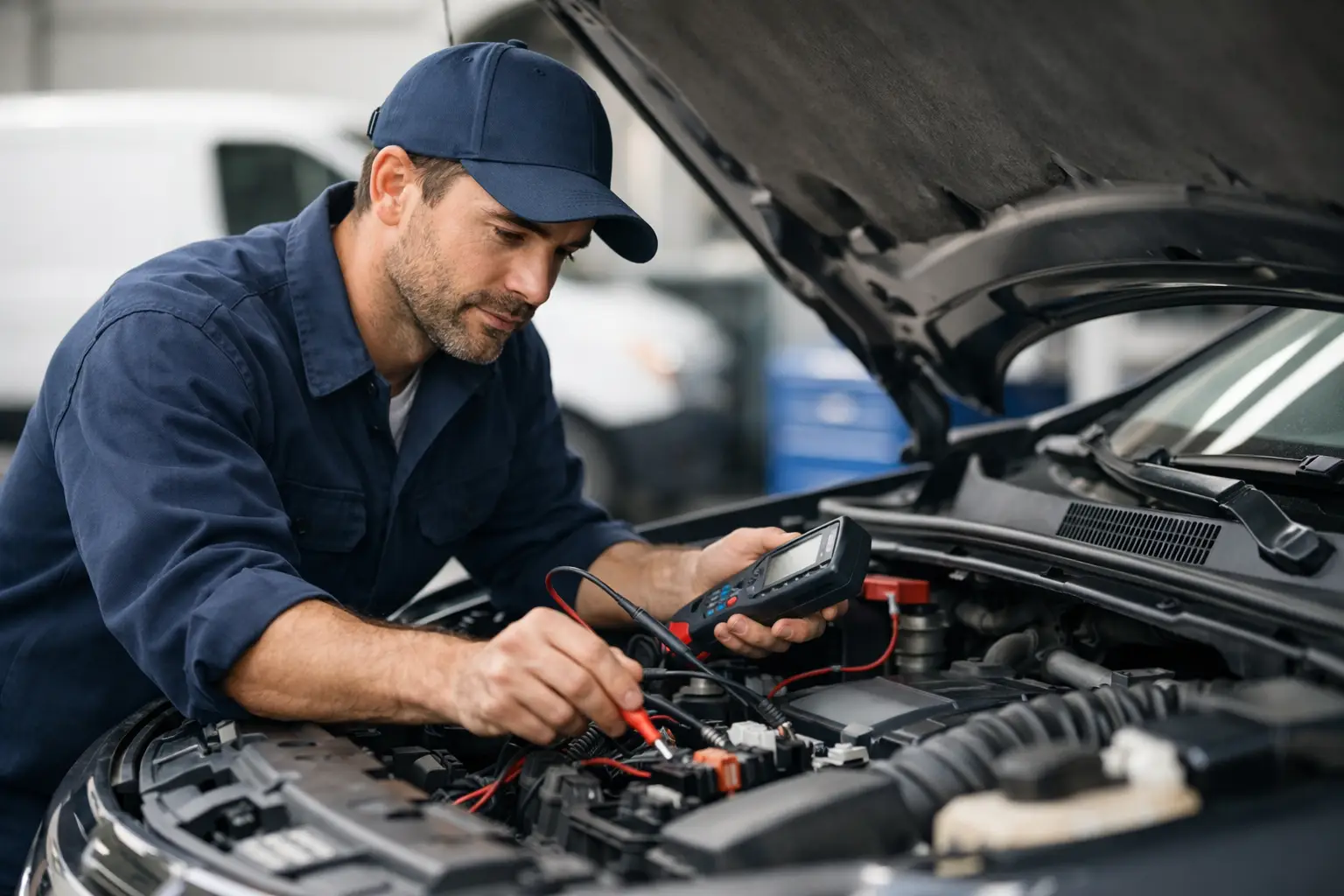
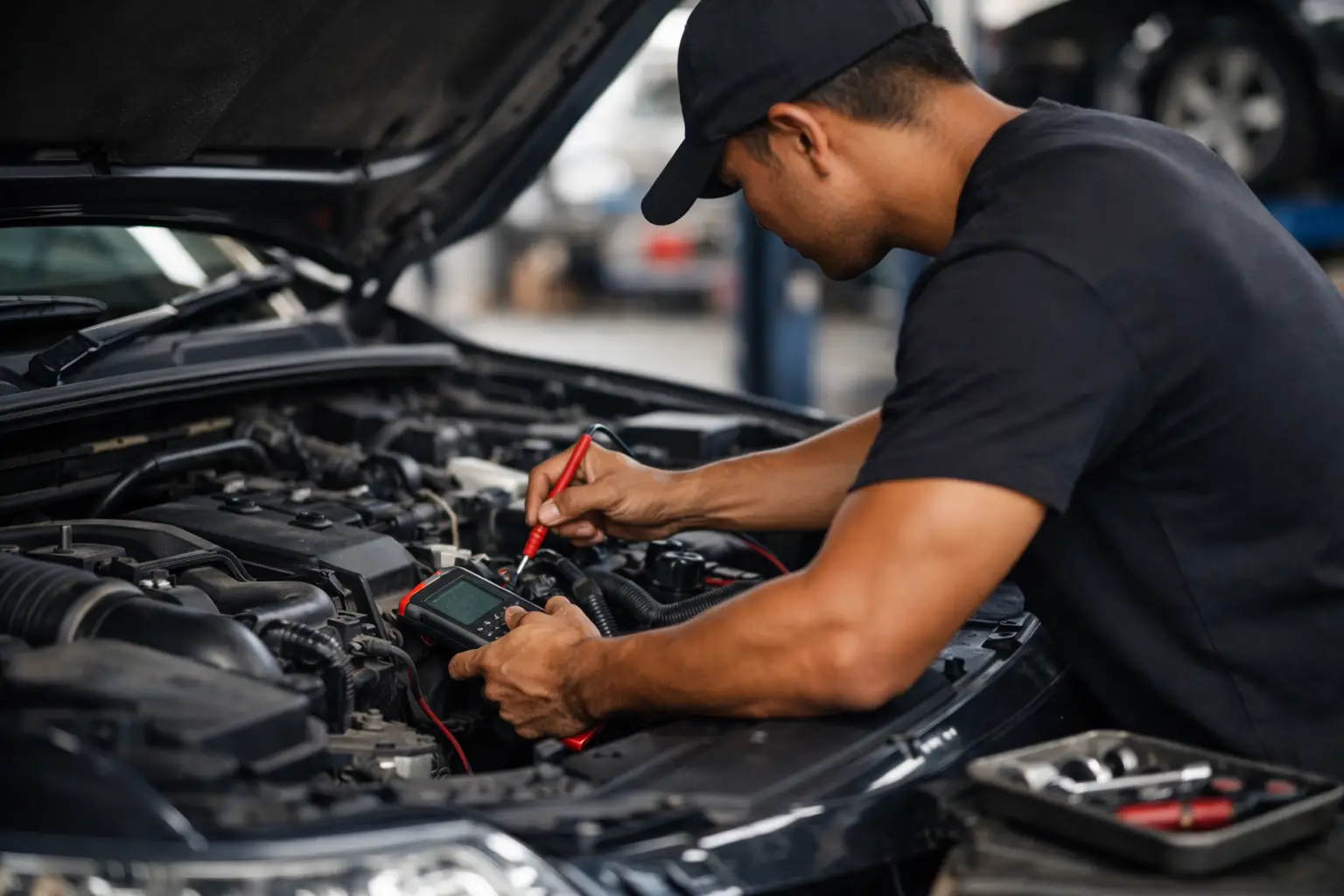
A lightbar installation is not simply a matter of connecting positive and negative cables. It needs correctly sized wiring, a fuse close to the battery, a relay, secure earth points and protection from rubbing, heat and moisture. Wiring should be routed away from moving parts, sharp edges and high-temperature areas around the engine bay.
A proper wiring harness can save time, but it still needs to be fitted carefully. Loose cables under the bonnet can wear through insulation and create intermittent faults. Poor earth connections can lead to flickering, reduced output or lights that stop working when vibration is involved.
The switch location also affects everyday use. It should be accessible without distracting the driver and fitted neatly without damaging interior trims. Some owners prefer integration with high beam so the lightbar only operates when high beam is selected. This is often the practical approach for driving lights, but the setup must meet applicable road rules.
If you are searching “Auto electrician near me”, choose someone who can assess the vehicle’s electrical system before installation, rather than simply fitting the bar wherever it appears to fit. This is particularly relevant on newer vehicles with sensitive electronics, factory wiring looms and advanced driver-assistance equipment.
Legal Use Is Part of a Good Purchase
A powerful lightbar is only useful when it is used legally and responsibly. Driving lights must be wired and aimed correctly, and they should not be used where they could dazzle other road users. Rules can differ between states and territories, so it is worth checking the current requirements for your vehicle and location before fitting accessories.
In practical terms, correct aiming makes a major difference. A bar pointed too high can reduce your own vision through reflected glare and create a hazard for oncoming traffic. One pointed too low may waste its potential. Final adjustment should be done on level ground with the vehicle carrying its normal load.
Avoid choosing a lightbar solely because it is marketed as the brightest. Excessive light in the wrong beam pattern or mounting position is not safer. Good lighting is controlled lighting.
How to Read LED Lightbar Reviews Properly
The most useful reviews explain the vehicle type, installation location and driving conditions. A bar that performs well on a lifted 4WD with a bullbar may not suit a small SUV without suitable mounting options. Likewise, a lightbar praised for slow bush tracks may not offer the distance needed for frequent highway driving.
Be cautious with reviews that only discuss delivery speed, packaging or the first few minutes after switching the product on. Long-term feedback about water resistance, bracket movement, wiring reliability and customer support carries more weight. It is also worth checking whether negative reviews identify a genuine product issue or a problem caused by incorrect installation.
Price is a factor, but value is more useful than the cheapest upfront cost. A quality lightbar with professional fitting may cost more initially, yet it can avoid replacement costs, wiring repairs and frustrating faults down the track.
For drivers in the western suburbs, searching “Auto electrician Blacktown” can help find local fitting support, but ask direct questions before booking. Confirm how the bar will be mounted, where the wiring will run, whether the vehicle’s battery and charging system are in good condition, and how the finished installation will be tested.
A properly selected and professionally fitted LED lightbar should feel like part of the vehicle, not an accessory you need to keep adjusting. Choose one for the roads you actually drive, keep it aimed correctly, and you will get safer, more useful light when daylight runs out.