
A central locking fault is more than a minor annoyance when you are running late for work, loading the kids into the car or trying to secure tools in a ute. If one door will not lock, the remote only works sometimes, or the locks start cycling by themselves, central locking repair should be arranged before the problem leaves your vehicle unsecured or inaccessible.
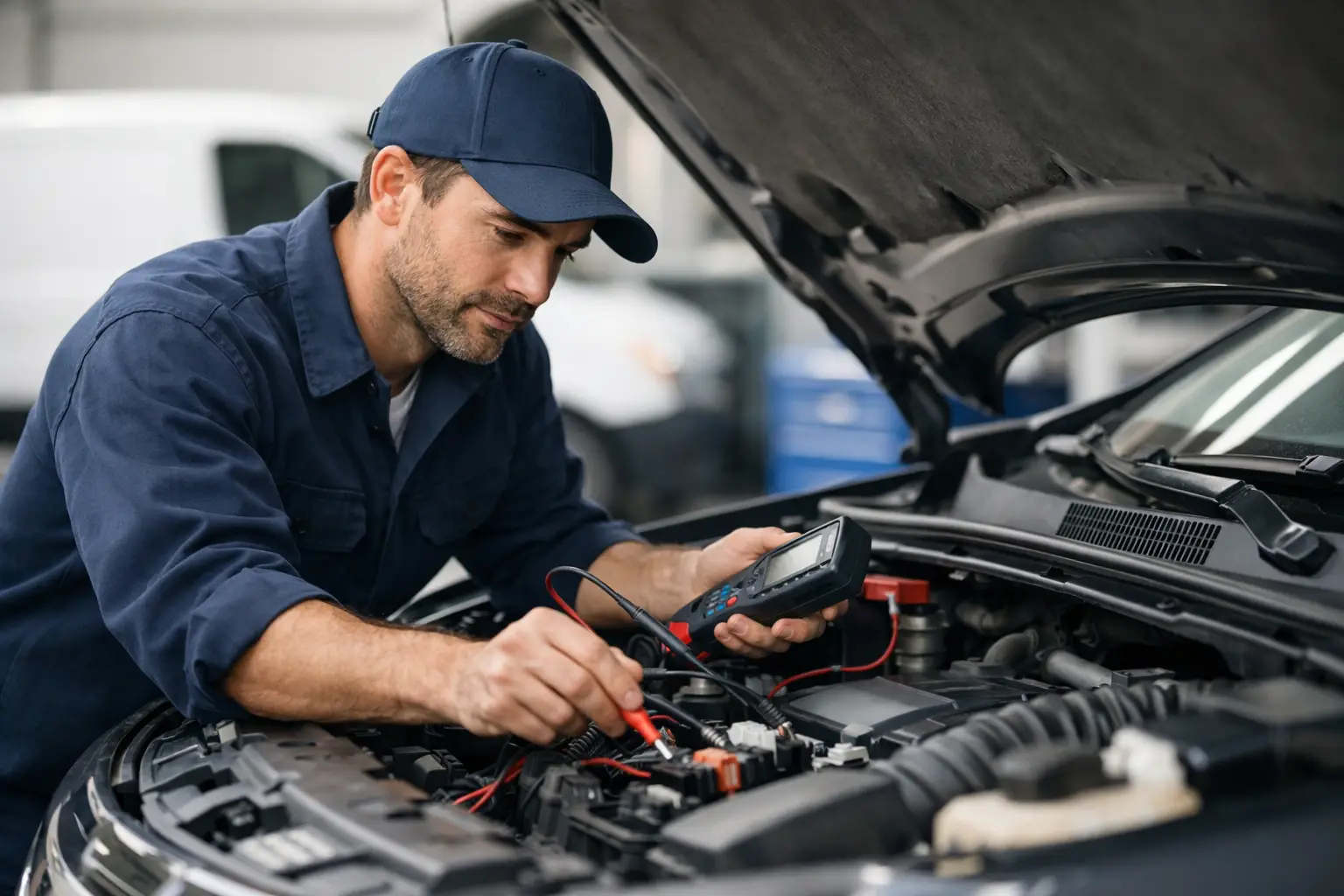
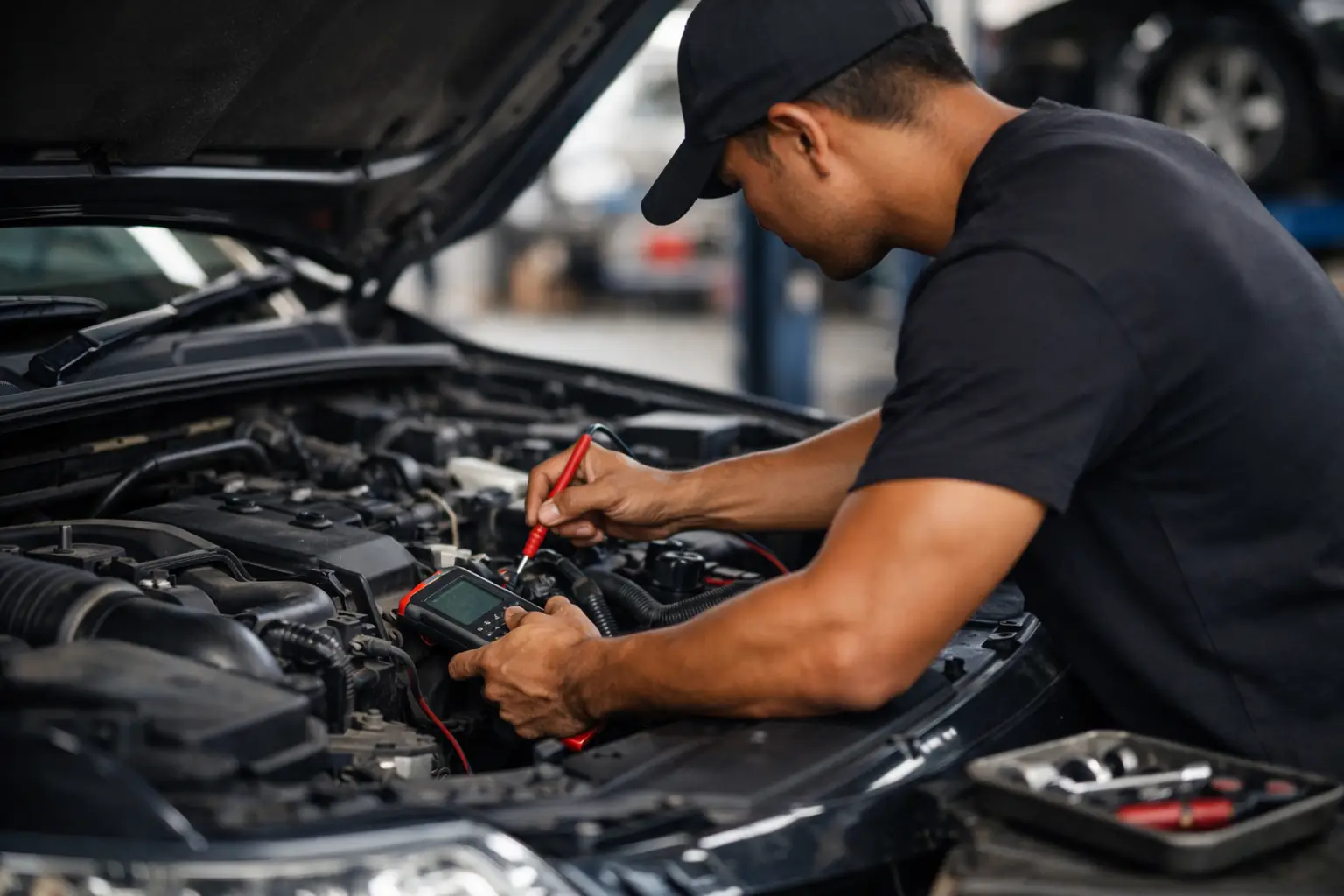
The good news is that many central locking issues can be diagnosed at your home, workplace or roadside. A qualified mobile auto electrician can test the electrical system, pinpoint the failed component and carry out the right repair without making you organise a workshop visit.
What does the central locking system do?
Central locking allows one action – pressing the remote, turning the key or using an interior switch – to lock or unlock multiple doors at once. Depending on the vehicle, it may also operate the boot, fuel flap, alarm, immobiliser and automatic locking functions.
Although it feels simple to use, the system relies on several parts working together. These can include the key fob battery, door lock actuators, wiring in the doors and body, fuses, relays, switches, control modules and the vehicle battery. A fault in any one of these areas can produce similar symptoms, which is why guessing and replacing parts often costs more than a proper diagnosis.
Signs you may need central locking repair
The clearest warning sign is a door that stays locked or unlocked while the others respond normally. This often points to a worn or failed actuator inside that particular door, but damaged wiring where the door opens and closes can cause the same issue.
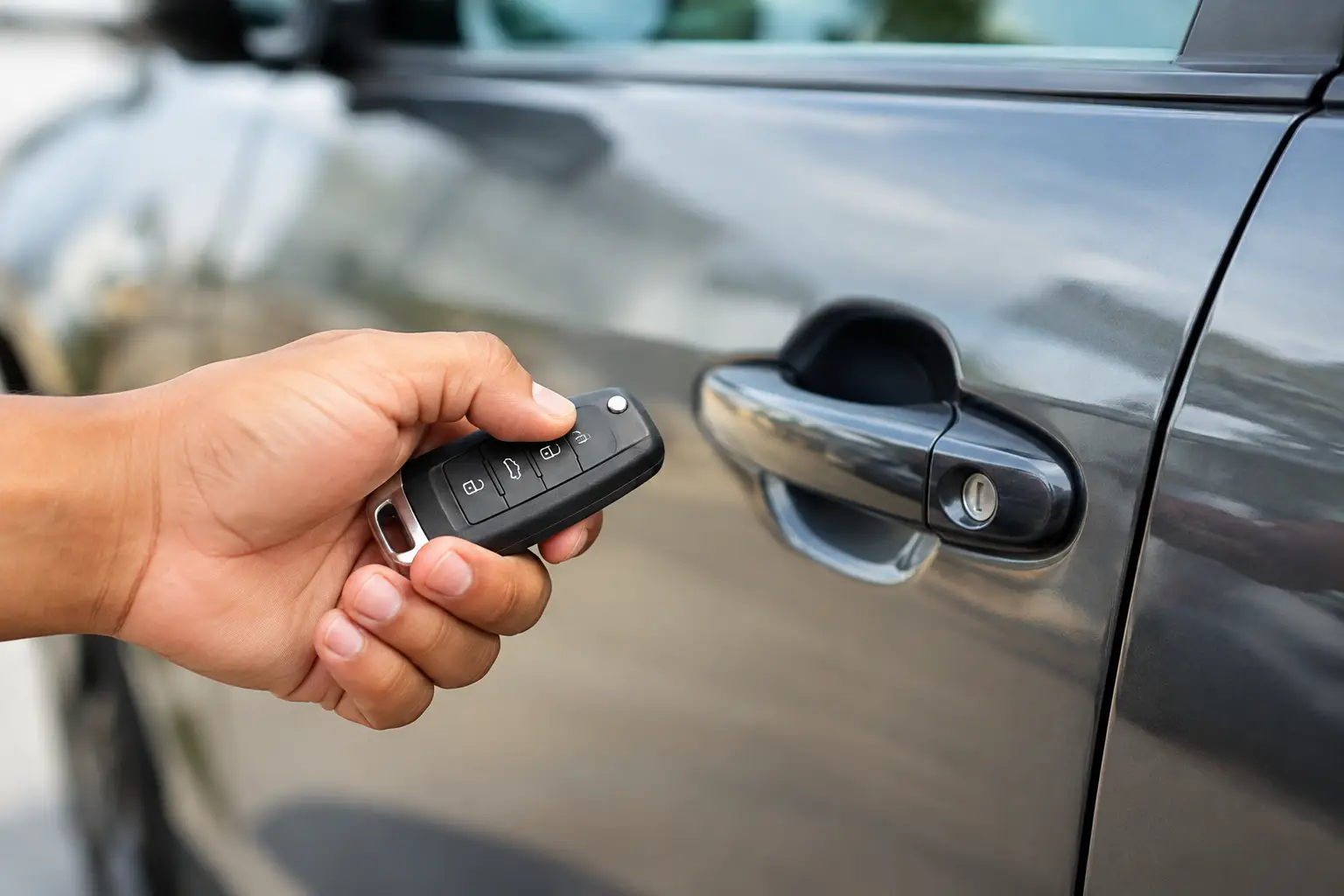
If none of the doors respond to the remote, start with the simple possibilities. A flat key fob battery, damaged remote or blown fuse may be the cause. However, if the interior lock switch also fails, the issue may sit in the vehicle’s power supply, wiring or central locking control unit.
Intermittent faults deserve attention as well. Perhaps the system works perfectly one day, then only unlocks after several presses of the remote. Maybe it locks the doors but will not unlock them, or it works in dry weather and fails after heavy rain. These patterns can indicate corrosion in a connector, moisture entering a door, a weakening actuator or a wire that has begun to break internally.
Other signs include locks that repeatedly click, doors that lock again immediately after unlocking, a key that becomes difficult to turn, or a vehicle battery that goes flat unexpectedly. Repeated clicking can happen when an actuator is failing. A battery drain may occur if a module or door latch does not switch off properly, though the battery and charging system should be tested before assuming central locking is the cause.
Common causes of central locking faults
Door lock actuators are among the most common causes. Each actuator is a small electric motor and gear assembly that moves the lock mechanism. Over time, gears wear, motors weaken and internal switches fail. A faulty actuator may work occasionally before stopping altogether.
Wiring faults are also common, particularly in older vehicles and doors used frequently. The wiring loom passes through a flexible rubber section between the door and vehicle body. Constant movement can eventually crack a wire or damage its insulation. A technician can test the wiring rather than pulling apart the entire door without a clear reason.
Remote and key issues can be less dramatic but just as frustrating. A replacement fob may need programming, a damaged button may not send a consistent signal, or the remote may have lost synchronisation after a battery change. Not every key problem requires a new key, so checking the signal and vehicle response first is worthwhile.
In some cases, a central locking fault is linked to a weak main battery or poor battery terminals. Modern vehicles rely on stable voltage for control modules to operate correctly. If your car has slow cranking, dim lights or warning messages alongside locking problems, testing the battery and alternator is a sensible first step.
Less commonly, the problem is in the body control module, alarm system or aftermarket accessory wiring. This needs careful diagnosis. Replacing a module without confirming the fault can be expensive, and some modules require coding once fitted.
Why a proper diagnosis saves money
It is tempting to search for a likely part online and replace it yourself. That can work when the fault is obvious, but central locking systems can be misleading. A door that will not unlock does not automatically mean its actuator is faulty. It could be a broken wire, corroded connection, faulty switch or a control signal issue.
A professional central locking repair starts by checking the symptom, scanning the vehicle where appropriate and testing power, earth and signals at the affected components. The technician can then confirm whether the actuator receives the correct command and whether it is responding. This process helps avoid replacing sound parts and gives you a clearer idea of the repair cost before work goes ahead.
For a single faulty door, actuator replacement may be the practical answer. For wiring damage, repairing the affected section properly is usually better than fitting an actuator that was never the issue. If the fault involves a control module, the right solution depends on the vehicle make, module availability and whether programming is required.
What you can check before calling an auto electrician
There are a few safe checks that may help narrow down the problem. Try your spare key if you have one, and replace the key fob battery with the correct type. Check whether the interior central locking button works, and note whether all doors, one door or only the boot is affected.
Also pay attention to the circumstances. Let the technician know if the issue began after rain, a flat battery, accident repairs, an accessory installation or a remote battery replacement. These details can shorten diagnostic time.
Avoid forcing a key in the door lock or repeatedly slamming a door to make the system work. Both can damage the lock barrel, latch or wiring further. Do not remove airbag-related door trims unless you understand the vehicle’s safety systems. Modern doors can contain side airbags, sensors and delicate clips.
Mobile central locking repair in Sydney
A mobile service is especially useful when the vehicle cannot be secured, a door is stuck locked, or you simply cannot spare time for a workshop booking. A mobile auto electrician can come to your driveway, workplace or site in Sydney, including the Western Suburbs, and assess the fault where the car is parked.
This is often more convenient for families, commuters and trade customers whose vehicle is part of the day’s work. Rather than arranging transport, leaving the car behind and waiting for an update, you can receive clear advice at the vehicle and approve the repair once the cause is confirmed.
When you search “Auto electrician near me“, look for a technician who carries out electrical diagnosis rather than only parts replacement. If you are in the local area, you may also see searches such as “Auto electrician Blacktown”. The spelling matters less than choosing a qualified provider who can test the system properly and explain what has failed in plain English.
Ray’s Auto Electrical provides mobile auto electrical diagnostics and repairs across Sydney, with practical support for faults that affect security, access and everyday reliability. The aim is to identify the actual cause, carry out quality workmanship and get your vehicle back to normal with as little disruption as possible.
If your locks are unreliable, do not wait until the car will not secure or you are locked out of a door you need. Make a note of the symptoms, keep the spare key handy and arrange a central locking inspection before a small intermittent fault becomes a bigger inconvenience.