

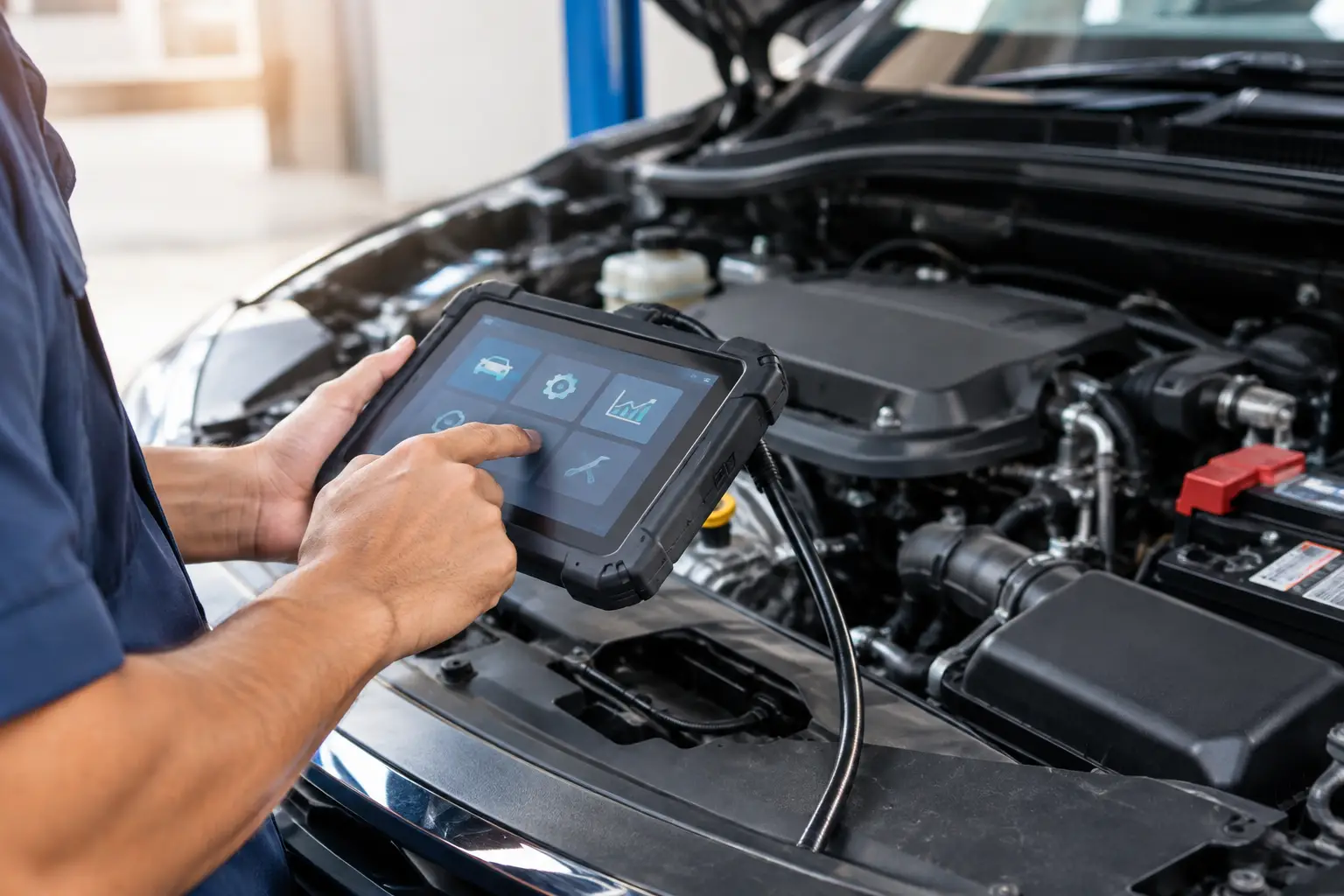
A warning light on the dash, a slow start in the driveway, or an air conditioner that suddenly stops cooling can turn a normal day into a hassle. Proper car diagnostics identify the actual cause before parts are replaced, helping you avoid wasted time, unnecessary costs and the risk of being stranded.
For most drivers, the priority is simple: get a clear answer and get the vehicle working properly again. That is where a qualified mobile auto electrician can make a real difference. Instead of guessing whether the battery, alternator, wiring or a sensor is at fault, the system can be tested at your home, workplace or roadside location.
What car diagnostics actually involve
Modern vehicles rely on a network of electrical components and control modules. Your battery supplies power, the alternator recharges it while the engine runs, and wiring carries power and signals to everything from the starter motor to the headlights, air conditioning and reverse camera.
When one part begins to fail, the symptom is not always obvious. A vehicle that will not start may have a flat battery, but it could also have a charging fault, corroded terminal, faulty starter motor, blown fuse, poor earth connection or an electrical drain. Replacing the battery without testing the rest of the system may only provide a short-term fix.
Accurate diagnostics use scan tools, voltage testing, charging-system checks and practical fault-finding experience. Fault codes are useful, but they are only one part of the picture. A code can point to the affected circuit or system, while further testing confirms whether the issue is a sensor, wiring fault, connector, module or another underlying problem.
Signs your vehicle needs electrical testing
Some faults appear without warning, while others give you time to act. Booking car diagnostics early can prevent a small issue becoming a breakdown at the worst possible time.
Common signs include a battery warning light, engine warning light, dim or flickering headlights, repeated flat batteries, slow cranking, clicking when you turn the key, or a vehicle that starts intermittently. Electrical accessories can also provide clues. A radio that cuts out, power windows that operate slowly, central locking that behaves inconsistently, or a dash display that resets may all be linked to low voltage or a wiring issue.
Air conditioning faults are another common reason to organise testing. If the system blows warm air, works only sometimes, makes unusual noises or has a flashing A/C light, it needs proper assessment. The cause may be electrical, mechanical or related to refrigerant pressure. Testing first avoids replacing components that are not actually faulty.
It is also worth checking a vehicle after accessory work if problems begin soon afterwards. Dash cams, dual-battery systems, UHF radios, lighting upgrades and sound systems need to be installed correctly. Poor connections, unsuitable wiring or incorrect fuse protection can cause faults that are frustrating to track down later.
Why guessing can cost more
It is tempting to start with the most likely part. For example, many drivers assume a no-start issue means they need a new battery. Batteries do wear out, particularly in Sydney heat, but a new battery will not fix an alternator that is undercharging or a parasitic draw that drains power while the vehicle is parked.
The same applies to warning lights. Clearing a warning light without investigating the cause does not repair the fault. If the light returns, the vehicle is telling you the problem is still present. In some cases, continuing to drive may lead to a roadside breakdown or affect other systems.
Professional testing takes a little longer than a guess, but it can save money because the repair is based on evidence. It also gives you a clearer explanation of what needs attention now, what can be monitored, and what options are available for repair.
How a mobile auto electrician diagnoses a fault
A good diagnostic visit starts with the symptoms. Details such as when the problem occurs, whether it happens when the engine is hot or cold, and whether accessories are being used can help narrow down the fault quickly.
The next step is a visual inspection of key components and connections. Loose terminals, damaged wiring, worn belts, corrosion and blown fuses can sometimes be identified straight away. The battery condition and voltage are checked, followed by alternator output and starter performance where relevant.
For warning lights and electronic faults, a diagnostic scan can read stored fault codes and live data from the vehicle’s modules. This information is then compared with physical tests. For instance, a code may suggest a voltage issue, but testing determines whether the cause is the battery, alternator, wiring or a poor earth.
Once the fault has been confirmed, you should receive a practical explanation in plain English. Depending on the issue, the repair may be completed on site, such as replacing a battery, repairing wiring, fitting an alternator or resolving an accessory connection. More involved work may need additional parts or a follow-up visit. The right approach depends on the vehicle, the fault and safe access to the affected area.
The convenience of on-site diagnostics
Taking a vehicle to a workshop is not always practical, especially when it will not start. It can mean arranging a tow, taking time off work or asking someone else for a lift. Mobile car diagnostics bring qualified testing to the vehicle instead.
This is especially helpful for commuters, families and tradies who rely on their car, van or ute every day. A technician can assess a flat battery at home before the morning run, investigate a charging light at work, or check an electrical issue before it leaves you stuck in a car park.
If you are searching Auto Electrician near me, look for a service that explains the fault clearly, tests before replacing parts and can attend your location when practical. Local experience matters too. For drivers in the western suburbs, a search for Auto electrician Blacktown may help find nearby mobile support, but always check that the technician is qualified to diagnose the specific issue rather than simply supply parts.
What you can do before help arrives
You do not need to diagnose the fault yourself, but a few simple checks can make the visit more efficient. Take note of any warning lights and messages on the dashboard. If it is safe, record a short video of flickering lights, clicking sounds or the way the vehicle behaves when starting.
Avoid repeatedly trying to start a vehicle with a suspected flat battery. This can drain it further and may make it harder to test accurately. Do not disconnect wiring, remove fuses at random or jump-start the vehicle repeatedly if there are burning smells, smoke, damaged cables or obvious battery swelling. In those situations, keep clear of the area and arrange professional assistance.
If the vehicle does start after a jump-start, do not assume the issue is resolved. Drive only if it is safe to do so and arrange a battery and charging-system test promptly. An alternator fault can leave you without power again once the battery charge is used.
A clear diagnosis gives you control
Electrical faults can feel unpredictable, but the repair process should not be. With the right tests, you can make a decision based on the condition of your vehicle rather than a guess or a warning light alone. Ray’s Auto Electrical provides practical mobile testing and repairs for Sydney drivers who need reliable answers where their vehicle is located.
When something does not feel right with your vehicle, acting early is usually the easiest option. A proper diagnosis today can save you from a missed appointment, an unwanted tow or a breakdown tomorrow.