
A car that will not start outside home before work is more than an inconvenience. The same goes for a battery light that appears on the M4, headlights that flicker at night, or air conditioning that stops cooling during a Sydney heatwave. Car electrical repairs Sydney drivers arrange early can often prevent a small fault from becoming a breakdown, a tow, or a day without transport.
Electrical faults are not always obvious. Modern vehicles rely on wiring, fuses, sensors, modules, batteries and charging systems working together. A symptom that seems simple – such as a flat battery – may be caused by an ageing battery, a failing alternator, a poor earth connection or an electrical draw while the vehicle is parked. Accurate testing matters before parts are replaced.
When to book car electrical repairs in Sydney
Some electrical issues need immediate attention, while others can be booked at a suitable time. The key is not to ignore warning signs just because the car is still running. Electrical problems can be intermittent at first, then become much harder to manage when you are away from home or on a busy road.
Book an inspection promptly if you notice the battery warning light, slow or inconsistent cranking, dim headlights, burning smells near wiring, repeated blown fuses, dashboard warning messages, or accessories that turn off without warning. A vehicle that needs a jump-start more than once should also be checked rather than repeatedly boosted.
If there is smoke, a hot electrical smell, exposed wiring, or visible damage around the battery, stop driving where it is safe to do so. Electrical heat can damage insulation and other nearby components. It is safer to have a qualified auto electrician assess the vehicle than to keep trying fuses or disconnecting wires yourself.
A flat battery is not always the battery
Batteries have a limited life, especially when a vehicle does frequent short trips, sits unused, or has accessories drawing power. But a replacement battery will not solve the problem if the alternator is not charging properly. It also will not help if a dash cam, interior light, amplifier, faulty relay or other circuit is draining the battery overnight.
A proper battery and charging-system test gives a clearer answer. It checks battery condition, charging voltage and whether the alternator is keeping up with the vehicle’s electrical demand. Where necessary, further testing can identify a parasitic drain. This approach can save money compared with fitting parts based on guesswork.
Why mobile electrical diagnosis makes sense
Taking a vehicle to a workshop is not always practical. A no-start fault may leave you stuck in the driveway, at work or in a car park. Even if the car can be driven, arranging transport, dropping it off and waiting for a diagnosis can disrupt the whole day.
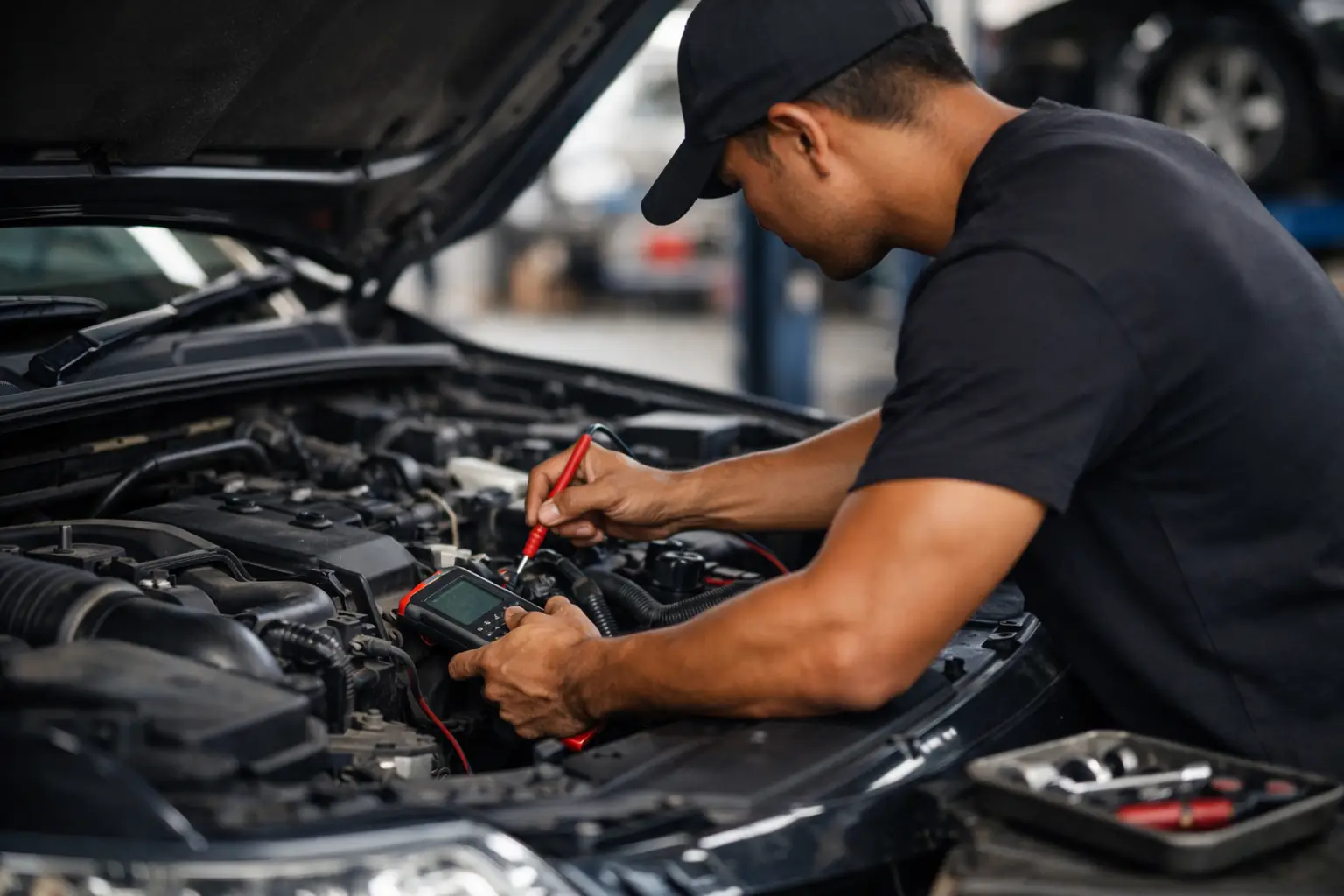
A mobile auto electrician comes to the vehicle and tests the fault where it has occurred. That is particularly useful for intermittent starting problems, trailer wiring concerns, accessory installations and battery failures. It also avoids the unnecessary cost and hassle of towing for faults that can be assessed and repaired on site.
For many Sydney drivers, convenience is not about avoiding proper repairs. It is about getting qualified help without losing hours from work, family commitments or trade jobs. Ray’s Auto Electrical provides mobile support across Sydney, with practical service for the faults that stop vehicles from doing their job.
Common electrical faults and what they may mean
A clicking sound when turning the key can point to a weak battery, poor battery terminals, starter motor issue or damaged cable. A single click is different from rapid clicking, and neither should be diagnosed from the sound alone. Testing the voltage and connections is the sensible first step.
Headlights that dim when the engine is idling may indicate a charging fault, a weak battery or wiring resistance. Likewise, a battery warning light does not necessarily mean the battery itself has failed. It generally means the charging system needs attention.
Central locking, power windows, radios and reversing cameras can fail due to a blown fuse, damaged wiring, water entry, a faulty switch or a control-module issue. The repair can be straightforward, but only if the actual source of the fault is found. Replacing a fuse repeatedly without locating the reason it blew risks further damage.
Air conditioning faults also have an electrical side. A system that blows warm air may have a refrigerant leak, but it could also involve a compressor clutch, pressure sensor, fan, wiring or control fault. Air conditioning servicing should consider the whole system, not simply add gas and hope for the best.
Accessory installation is about more than fitting the gear
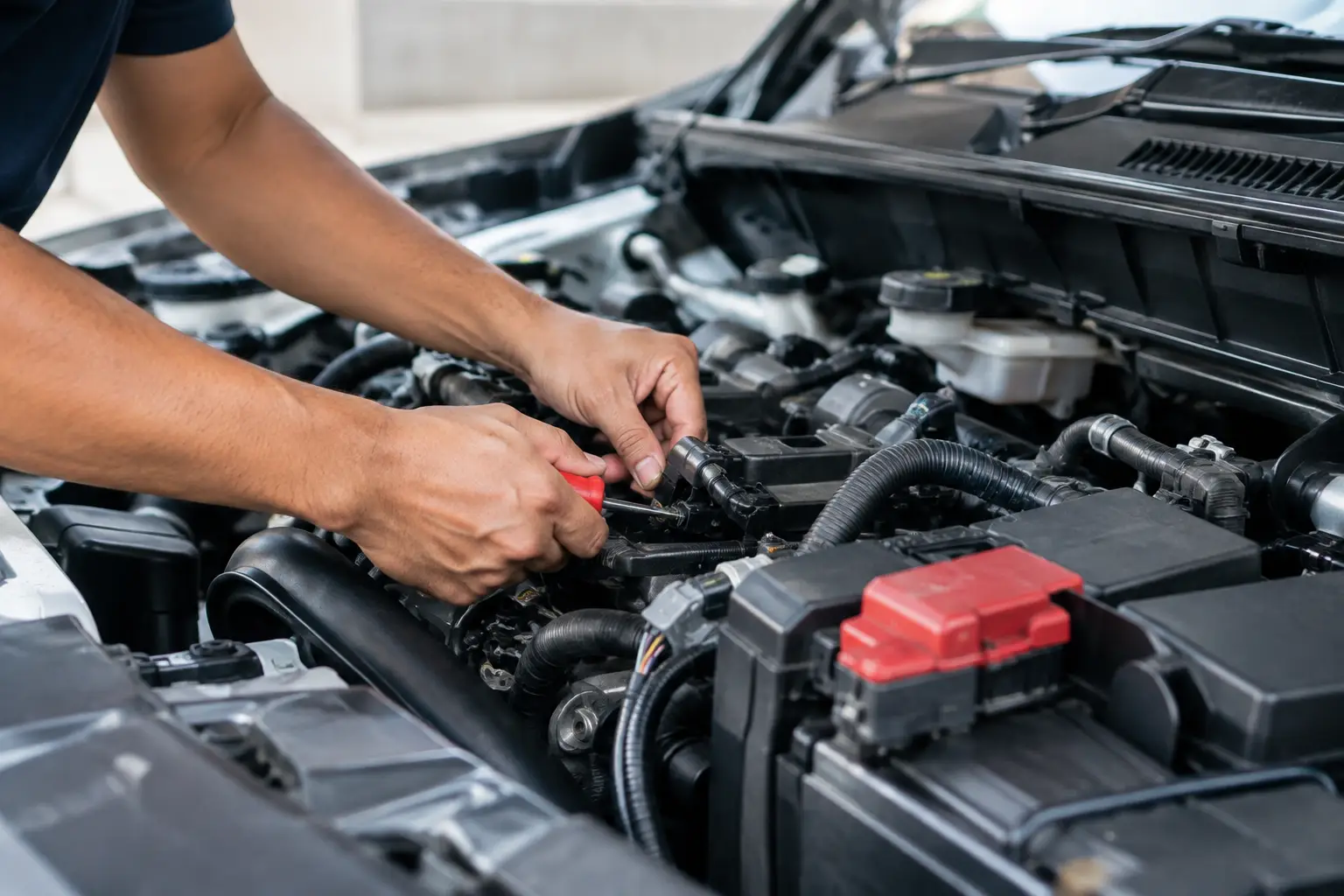
Dash cams, UHF radios, antennas, upgraded sound systems and other accessories make daily driving, family trips and work vehicles more useful. The installation quality matters just as much as the accessory itself. Poor connections, undersized wiring or badly placed cables can create nuisance faults, flat batteries and safety issues later.
A professional installation protects the vehicle’s electrical system and keeps wiring neat, secure and appropriately fused. The best method depends on the vehicle and accessory. A dash cam may need a hardwired parking-mode setup, while a UHF system needs suitable power supply, antenna placement and tidy cable routing. There is no one-size-fits-all approach.
Before booking an installation, consider how you use the vehicle. A commuter may only need a reliable front-facing dash cam, while a tradie or touring driver may need a more involved setup. Clear advice before work starts helps make sure you pay for what is genuinely useful.
Choosing an auto electrician you can rely on
When your car is unreliable, the cheapest quote is not always the best value. An electrical repair should include testing, a clear explanation of the likely fault and workmanship that addresses the cause rather than only the symptom. Ask whether the electrician can attend your location, what testing is required and whether replacement parts are actually needed.
Local availability can make a real difference when the vehicle will not move. If you are searching online for “Auto Electrician near me”, look for a service that clearly explains its mobile capability, service areas and the type of work it handles. If you are in the western suburbs, even a search typed as “Auto Electrician Blacktown” should lead you to a qualified local specialist who can assess the vehicle where it sits.
It is also worth being upfront about the vehicle’s history. Mention recent battery replacements, jump-starts, water leaks, aftermarket accessories, warning lights and any work done before the problem began. These details can shorten the diagnostic process and help avoid chasing unrelated faults.
Small habits that reduce electrical trouble
Electrical systems still need basic care. Keep battery terminals clean and secure, avoid leaving accessories plugged in when the vehicle is parked for long periods, and have the battery checked before a long trip if it is several years old. If rodents have been under the bonnet, inspect for damaged wiring rather than waiting for a warning light.
For vehicles that sit unused, a regular drive long enough to recharge the battery can help, although it will not fix a battery that is already worn out. A battery maintainer may suit some vehicles, but it depends on where the car is stored and how often it is used. If accessories have been added recently, pay attention to any new starting or battery issues.
Do not wait for a minor electrical symptom to choose the timing for you. A quick, accurate check at your home, workplace or job site can keep a manageable repair from becoming the reason your vehicle cannot get you where you need to be.