

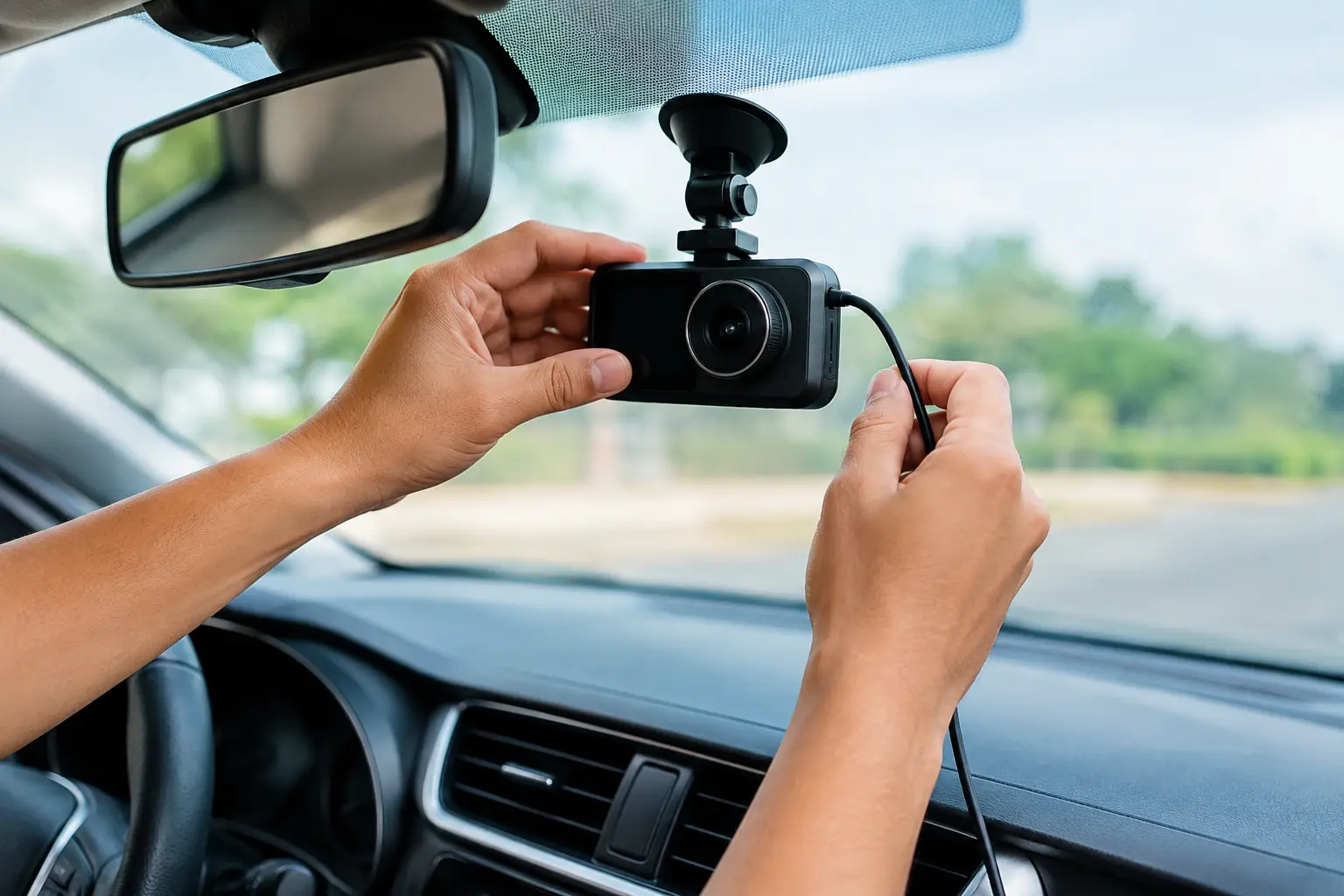
A dash camera can be the difference between a frustrating insurance dispute and clear evidence of what happened on the road. But the cheapest camera on the shelf is not always the best value. Knowing how to choose dash camera features for your vehicle comes down to how and where you drive, the level of coverage you want, and whether it will be fitted properly.
For Sydney commuters, families, rideshare drivers and tradies, a good dash cam should record clear footage without distracting you, draining your battery or creating a mess of loose cables around the windscreen.
Start with the coverage you actually need
The first decision is whether you need a front-facing camera only, or a front and rear system. A front camera records what is happening ahead of your vehicle and is suitable for many everyday drivers. It can capture accidents, close calls, number plates and unexpected incidents on the road.
A dual-channel dash camera adds a rear camera, recording vehicles behind you as well. This is often worthwhile if you spend a lot of time in traffic, park on busy streets, carry passengers or regularly drive a ute, work vehicle or family car. Rear-end collisions are common, and rear footage can provide useful context when a claim is being assessed.
Some cameras also include an interior-facing camera. This can suit rideshare drivers, taxis or business vehicles, but it is not necessary for most private motorists. Consider privacy before fitting an interior camera, especially when family members or customers are in the vehicle.
Prioritise clear footage over impressive numbers
Video quality is one of the most important parts of choosing a dash cam. Full HD 1080p is generally the minimum worth considering, while 2K and 4K cameras can provide sharper detail. Higher resolution may make number plates and road signs easier to read, particularly when footage is reviewed after an incident.
Resolution alone does not guarantee useful footage. A camera also needs a good image sensor, wide dynamic range and reliable low-light performance. Sydney driving often means dealing with bright sun, shaded streets, tunnels, rain and night-time glare. A camera that looks good in a showroom may struggle when headlights, reflections or poor lighting are involved.
Look for a wide viewing angle, usually around 140 to 160 degrees. This captures multiple lanes without excessively bending the image at the edges. Extremely wide lenses can distort details, while a narrow view may miss activity beside your vehicle.
If possible, check real sample footage captured during the day and at night. The key question is simple: can you clearly identify vehicles, lanes and relevant details when conditions are less than perfect?
Choose parking protection based on where you park
Parking mode records activity when your vehicle is switched off. It can be useful if your car is regularly parked on the street, at train stations, shopping centres or work sites. Depending on the camera, it may record continuously at a lower rate, begin recording when movement is detected, or save footage after an impact is detected.
Parking mode is helpful, but it needs to be set up correctly. Running a dash cam from a cigarette-lighter socket usually means it turns off with the ignition, so parking protection will not operate. A professional hardwired installation connects the camera safely to the vehicle’s electrical system and can use a low-voltage cut-off to protect the battery.
This is particularly important for vehicles that are not driven every day. A camera should not leave you with a flat battery on Monday morning. The installation needs to balance recording coverage with battery protection.
Think about power and installation before buying
Many dash cameras come with a plug-in power lead, which is fine for a simple front camera. The downside is that the cable can be visible, take up a power outlet and interfere with a tidy cabin if it is not routed properly.
Hardwiring is the cleaner option for many vehicles. Cables can be concealed behind trim, the camera can power on and off with the ignition, and parking mode can be enabled where appropriate. A properly fitted dash cam should not obstruct your vision, interfere with airbags or rely on poorly placed wiring.
Modern vehicles have increasingly complex electrical systems, including airbags in the pillars, sensors near the rear-view mirror and sensitive battery management systems. That is why professional fitting can be a sensible investment, particularly for dual-camera setups, 4WDs, European vehicles and newer cars.
Ray’s Auto Electrical provides mobile dash cam installation across Sydney, so the work can be completed at your home, workplace or another suitable location. It saves you the trouble of setting aside time for a workshop visit while helping ensure the system is wired safely and neatly.
Do not overlook storage and recording features
Dash cameras record continuously in a loop, overwriting the oldest footage when the memory card is full. When the camera detects a collision or sudden impact, its G-sensor can lock that clip so it is less likely to be overwritten.
Choose a camera that supports a quality high-endurance microSD card. Standard memory cards may fail sooner because dash cameras write data constantly, often in heat. Storage capacity matters too. A larger card stores more footage before looping over older files, which is useful for long-distance drivers and higher-resolution cameras.
Useful features include a screen for checking camera position, Wi-Fi or an app for downloading clips, GPS speed and location logging, and voice alerts. None of these are essential for every driver. GPS can be valuable evidence, but some people prefer to switch it off for privacy. App access is convenient, though a simple camera with reliable footage is often better than a feature-heavy model that is difficult to use.
Match the camera to your driving routine and budget
There is no single best camera for every vehicle. A commuter who parks in a secure garage may be well served by a quality front camera with strong night recording. A family with a car parked on the street may benefit from front and rear coverage with parking mode. A tradesperson travelling between jobs may want reliable dual cameras, a larger memory card and professional hardwiring.
Be cautious about buying solely on price. Very cheap cameras can have poor night footage, unreliable apps, weak mounts and memory card errors. On the other hand, the most expensive model may include features you will never use. Set a realistic budget, then spend it on picture quality, dependable recording and correct installation before extra features.
It is also worth checking the camera’s operating temperature range. Summer heat inside a parked vehicle can be extreme, particularly in Western Sydney. A camera built for automotive use should be more dependable in high temperatures than a basic action camera adapted for the job.
How to choose dash camera placement
The best camera position is usually high on the windscreen, behind or close to the rear-view mirror. This gives a clear forward view while keeping the unit out of your main line of sight. It should not block your view of the road or interfere with any vehicle sensors.
The rear camera needs a clear angle through the rear window. In hatchbacks, wagons and 4WDs, routing cables between the body and tailgate requires care. A neat installation protects the cable from pinching and repeated movement every time the boot is opened.
Before booking a fitting, consider whether you want the camera to be discreet or easy to remove. Small screen-free cameras are less noticeable, while models with built-in screens can make setup and playback easier. Both can work well when installed in the right position.
When local fitting makes sense
If you are comparing models online and searching for an “Auto Electrician near me”, ask whether the installer can assess your vehicle before fitting the camera. The right solution depends on your vehicle’s fuse layout, battery condition, intended use and the type of camera you have chosen.
For drivers searching “Auto electrician Blacktown”, mobile assistance can be especially useful when a hardwired camera, rear camera or parking mode is involved. A qualified auto electrician can fit the system at a convenient location and check that it operates as it should without compromising the vehicle’s electrical safety.
Choose a dash camera that gives you clear, dependable evidence when you need it, then have it positioned and powered properly. The right setup should quietly do its job every time you turn the key, without adding another thing to worry about.